How Your Fridge Uses Energy and Its Temperature Zones
In the average Spanish household, the refrigerator is one of the main energy-consuming appliances, accounting for about 31% of the total electricity consumption. To manage your fridge efficiently, it’s crucial to first understand its internal temperature dynamics. Since cold air is denser, it naturally sinks, creating a top-to-bottom temperature gradient. The upper shelves are milder, the bottom is the coldest, and the door is the warmest and most temperature-volatile area of the entire unit.
Best Practices for Food Zone Storage
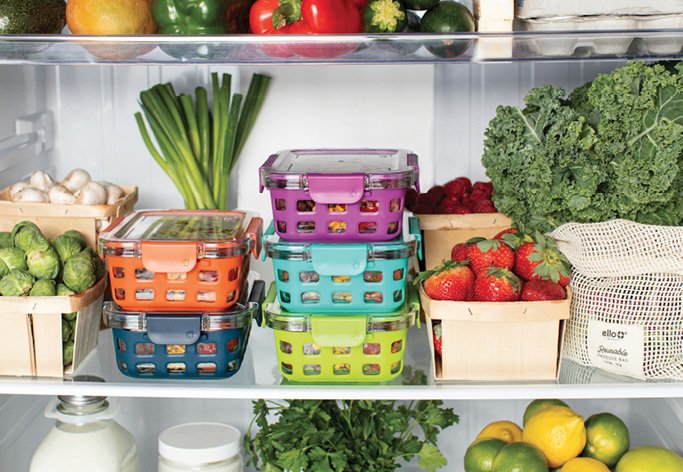
Organizing your food based on the fridge’s temperature gradient is key to both preservation and energy saving. Here is the recommended storage plan:
- Top Shelf and Door: These areas are relatively warmer and less stable, making them suitable for items that are less perishable, such as drinks, condiments, jams, and well-sealed leftovers.
- Middle Shelves: The temperature here is more stable, making it the ideal spot for opened dairy products (like yogurt), cheeses, and cured meats.
- Bottom Shelf (above the drawers): This is the coldest part of the fridge and should be used for storing raw meat, fresh fish, and seafood that require low temperatures to inhibit bacterial growth.
- Crisper Drawers (at the bottom): These drawers often have humidity controls and are specifically designed for storing fresh vegetables and fruits, helping to maintain their moisture and freshness.
The Two Most Common Storage Mistakes: Milk and Eggs
A widespread mistake is placing milk and eggs on the refrigerator door. Frequent opening and closing of the door cause drastic temperature fluctuations, and dairy products like milk are very sensitive to these changes, leading them to spoil faster. Therefore, milk should be stored on the more temperature-stable middle shelves. Similarly, to keep eggs at their freshest, it’s best to leave them in their original carton and store them in the main compartment of the fridge, not in the designated egg holders on the door.
Maintain Fridge Efficiency: Avoid Over- or Under-filling
The amount of food in your fridge also affects its efficiency. Over-packing obstructs the circulation of cold air, which can create warm spots and force the compressor to work harder. Conversely, a very empty fridge loses a lot of cold air every time you open the door, also wasting energy. For smaller households, an effective trick is to place a few bottles of water in the empty spaces. They act as ‘cold banks,’ helping to stabilize the internal temperature and reduce how often the compressor needs to turn on.
