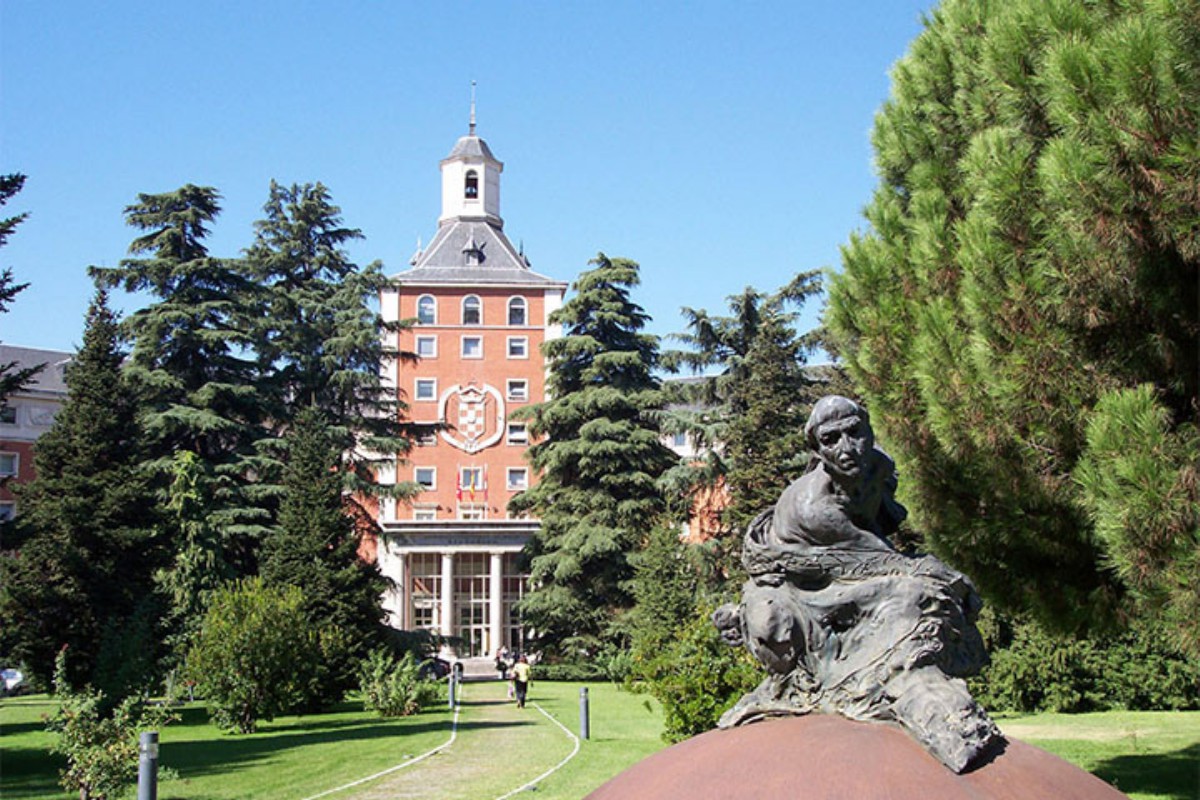
Hello, everyone! I’ve been a lurker on this forum for a while and noticed that while there are many posts about various majors and daily life, there isn’t much information about dentistry—a rather special and somewhat daunting field. I’m currently a dentistry (Grado) student at the Complutense University of Madrid. I’ve run into quite a few pitfalls along the way but have also gained some valuable experience. Today, I’m starting this thread to share what it’s really like to study dentistry in Spain, hoping to help those of you considering it.
Why Choose Spain for Dentistry?
My initial decision to study dentistry in Spain was driven by the high-quality education and relatively affordable tuition fees. Spain’s dental education is among the best in Europe, and the degree you earn is recognized throughout the EU, which is a huge advantage if you plan to work in other European countries in the future. Also, compared to the UK or the US, the tuition and living costs at public universities in Spain are much more manageable. Of course, the sunshine, food, and relaxed culture are bonus points—but don’t be naive, once you start dentistry, you won’t have much time for those, haha.
The Application Journey Is Not Easy
The admission score for dentistry is one of the highest among all majors in Spain, making the competition incredibly fierce. For international students like us from China, the main pathway is converting our Gaokao (National College Entrance Examination) scores. Language is the first hurdle. You need at least a DELE B2 certificate to apply, but trust me, to keep up in class and communicate effectively with patients, a C1 level is very, very important. Here’s a breakdown of the key materials I prepared, for your reference:
| Item | Notes |
|---|
| Gaokao Score Accreditation | Needs to be converted and evaluated through the UNEDasiss system. |
| PCE Specific Competency Exams | Biology and Chemistry are essential; the higher the score, the better. |
| Language Certificate | DELE B2 is the minimum, but C1 is what you should aim for. |
| Personal Statement/Letter of Motivation | While not mandatory for all universities, a well-written one can boost your application. |
Real Classes and Clinical Practice
The dentistry curriculum in Spain is very practice-oriented. In the first and second years, you’ll take many basic science courses like biochemistry, anatomy, and histology, which are as demanding as those in medical school. Starting from the third year, you’ll dive into numerous specialized courses and practical labs, practicing procedures like tooth preparation, root canals, and administering anesthesia on models. By the fourth and fifth years, you’ll spend several days a week in the university’s dental hospital, treating real patients. This involves everything from consultations and examinations to creating treatment plans and performing procedures yourself, all under the guidance of a supervisor. The pressure is immense, but the growth is incredibly rapid. You can also read about my experience improving my Spanish at university to see how language skills play a role in this journey.
Some Heartfelt Advice
Finally, a few words of advice for prospective students. First, be mentally prepared for the academic intensity. There are no shortcuts in this major; thinking you can just relax and take it easy is absolutely impossible. Second, the amount of specialized vocabulary is enormous, so start building it up as early as possible. Lastly, and most importantly, you need a strong heart and excellent communication skills, as you’ll be dealing with real people. This path is tough, but the sense of accomplishment you feel after completing a complex case and seeing a patient’s satisfied smile is unparalleled. I wish you all the best in getting into your dream schools! Ánimo
!
