Hi everyone! I’ve been a longtime lurker on this forum and have seen so many high-quality posts about life and travel in Spain. I’m now planning to study at a university in Spain myself, but I’m feeling a bit overwhelmed. So, I wanted to start this thread to list the information I’ve gathered and the questions I have. I hope we can discuss them together and create a useful resource for future applicants.
First off, the language requirement, which is a major concern for everyone. We all know that Spanish is a must-have for studying in Spain. From what I understand, the main language proficiency exams are DELE and SIELE. The DELE certificate is valid for life but is only offered a few times a year, while the SIELE is more flexible with a two-year validity. When it comes to university applications in Spain, a B2 level is generally required. I’d like to ask those with experience: are both exams accepted for applications? Which one provides results faster and is easier to register for? It feels like preparing for the language exam is the first major hurdle of a long journey
!
Application Process Breakdown
Regarding the application process, here’s what I’ve found: high school students from my country need to get their national college entrance exam scores homologated (recognized as equivalent)
, and undergraduate students applying for a master’s degree also need to get their degrees and transcripts homologated. Next is preparing all the documents, such as a CV, a letter of motivation, letters of recommendation, etc. The timeline seems crucial; if you miss the application window, you have to wait another year. I’ve heard that in the past, you had to go to the embassy for various certifications, but now many of these can be processed online.
Choosing a University and City
Choosing a university is also a big challenge. Public universities in Spain have relatively low tuition fees, but the top ones are also highly competitive. Cities like Madrid and Barcelona offer more opportunities, but the cost of living is also higher. I’ve put together a simple table for comparison. Feel free to take a look and add your suggestions!
| City | Pros | Cons |
|---|
| Madrid | Capital city, many top universities, rich cultural scene | High cost of living, crowded with tourists |
| Barcelona | Very international, strong in design and architecture | High cost of living, Catalan-speaking region |
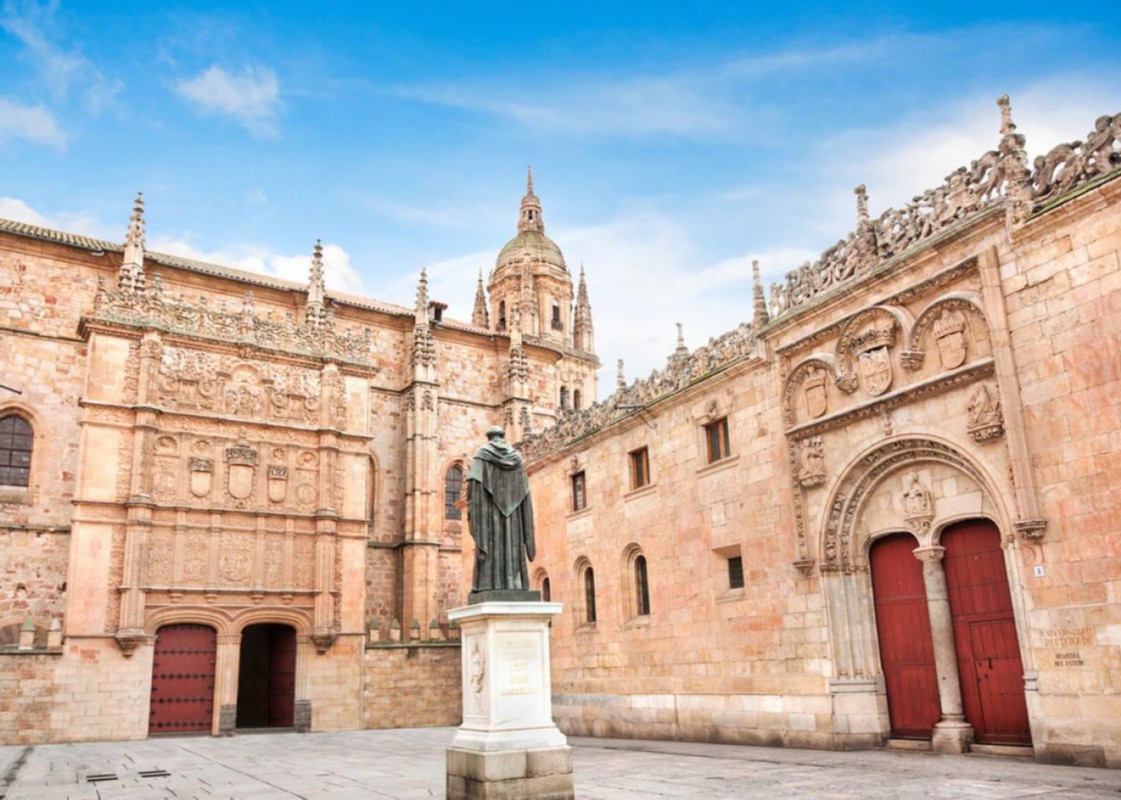
| Salamanca | University town, pure Spanish language environment, low cost of living | Smaller city, fewer job opportunities |
| Granada | Andalusian charm, low cost of living | Extremely hot in summer, relatively isolated |
Finally, let’s talk about costs. The annual registration fee for public universities ranges from approximately €1,000 to €4,000, varying significantly by autonomous community and field of study. As for living expenses, in big cities like Madrid or Barcelona, you might need around €1,000 a month, whereas in the south or in smaller cities, €600-€800 could be enough. These are just rough estimates, of course, and your actual spending will depend on your personal lifestyle. In short, studying abroad is a complex undertaking with so many things to manage. I hope this post serves as a starting point. If you have any experiences, advice, or pitfalls to share, please don’t hesitate! Thanks, everyone!
