Earthquake Overview and Impact Area
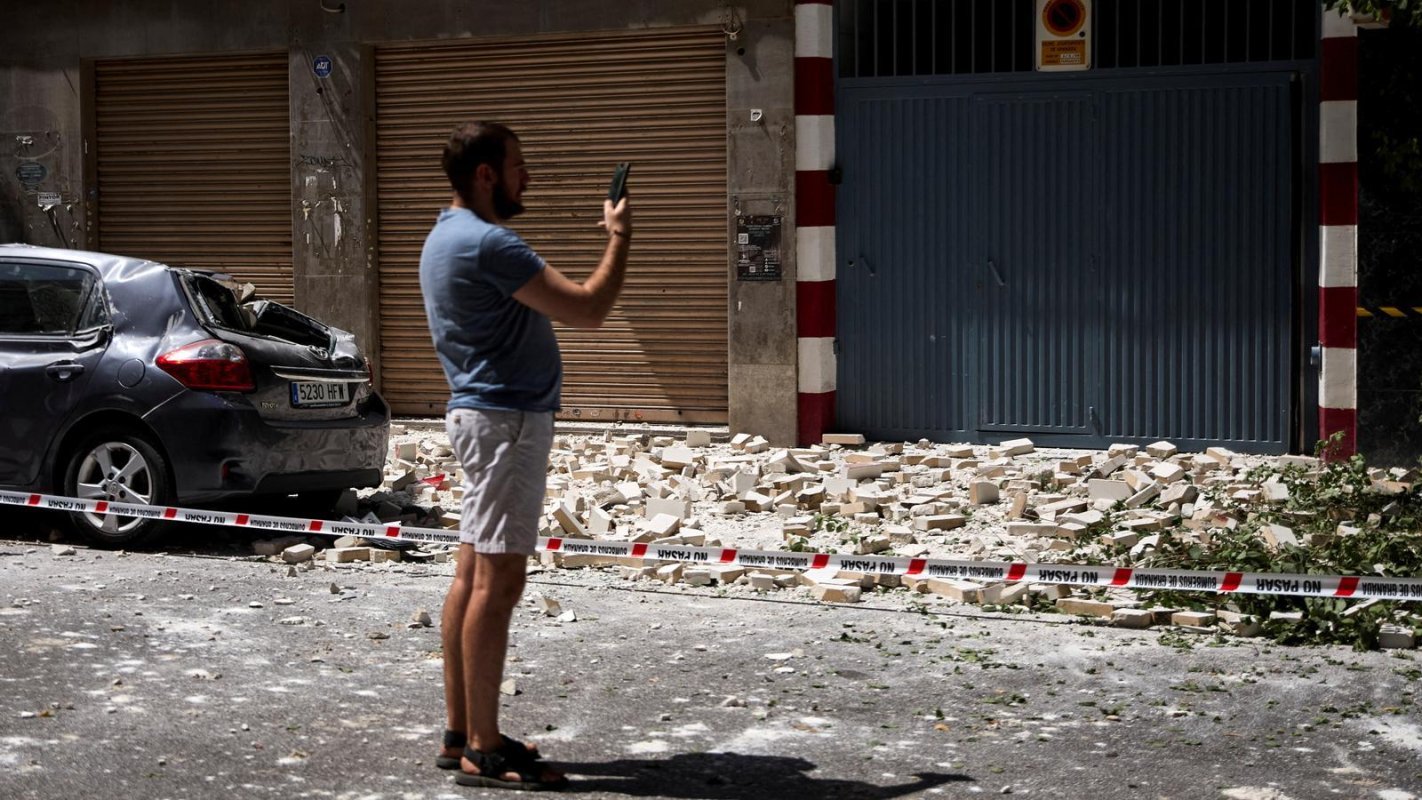
On the morning of August 18, 2026, local time, the province of Granada in Spain’s Andalusia region was hit by a series of earthquakes, the strongest of which registered a magnitude of 4.8. The epicenter was located near the municipality of Gójar, south of Granada city. The intense tremors caused numerous residents to evacuate outdoors, with some describing the shaking as feeling like ‘a bomb explosion.’ In addition to strong shaking throughout the Granada province, noticeable tremors were also felt in parts of the neighboring provinces of Málaga and Almería.
Casualties and Property Damage
According to preliminary reports, the earthquake has resulted in at least three minor injuries, including one minor. The injuries were mostly caused by falling debris or objects from buildings. Regarding property damage, multiple areas have reported cracked walls, detached building facades, and damaged awnings. Additionally, some parked vehicles were damaged by falling objects. Relevant authorities are currently conducting a comprehensive assessment of the damage.
Official Response and Public Facility Closures
Following the earthquake, the Granada City Council (Ayuntamiento de Granada) quickly activated its Level 1 emergency response plan. To ensure public safety, authorities have temporarily closed some streets with potential hazards and are conducting safety assessments of damaged buildings. The Alhambra, a UNESCO World Heritage site, initiated its precautionary evacuation protocol. Access to its core areas, the Nasrid Palaces (Palacios Nazaríes) and the Alcazaba fortress, was temporarily suspended for visitors, before the entire complex was closed to the public. Furthermore, the Granada Metro (Metro de Granada) has implemented reduced speed operations, and some government offices, museums, and sports venues have also closed pending safety inspections.
Seismic Context and Expert Advice
This 4.8 magnitude earthquake is not an isolated event. Since August 14, Granada and its surrounding areas have entered an active seismic period, with hundreds of seismic events of varying magnitudes recorded, including two strong 4.8 magnitude quakes on August 15 and August 18. Seismologists believe the region is currently experiencing a continuous seismic sequence, and aftershocks are still possible in the coming days. Despite this, experts have also advised the public not to panic. Local authorities are urging residents to remain calm, learn proper earthquake safety procedures, and to quickly move to a safe area during noticeable tremors, staying away from building exteriors, balconies, and other areas where objects could fall.
