Another Celestial Spectacle After the Total Solar Eclipse
Just two weeks after the total solar eclipse on August 12, 2026, Spain will host another unmissable astronomical event. The National Geographic Institute (IGN) confirms that a deep partial lunar eclipse will occur in the early morning of August 28. Unlike a solar eclipse, which requires special protective equipment, this lunar eclipse can be safely viewed with the naked eye, offering a fantastic stargazing opportunity for the public.
A lunar eclipse occurs when the Earth passes between the Sun and the Moon, casting its shadow onto the lunar surface. During this partial lunar eclipse, Earth’s umbra (the darkest part of its shadow) will cover about 93% of the Moon’s diameter, causing most of its surface to darken and potentially take on a unique coppery-red hue, often referred to as a “Blood Moon.”
Detailed Eclipse Timeline
According to precise data from the National Geographic Institute, the entire eclipse process will last several hours. Because the Moon moves relatively slowly in its orbit and Earth’s shadow is wide, lunar eclipses typically last much longer than solar eclipses.
- 3:23 AM: The Moon begins to enter Earth’s penumbra, and its brightness will slightly dim.
- 6:12 AM: Maximum eclipse. This is the peak of the event when approximately 93% of the Moon’s surface will be covered by Earth’s umbra. It’s the best time for observation and photography.
- 9:01 AM: The Moon completely exits the penumbra, officially ending the eclipse.
Nationwide Viewing Conditions and Recommended Locations
In theory, the entire territory of Spain falls within the visibility range of this lunar eclipse. However, as the event occurs in the early morning, the Moon will be low on the western horizon. Therefore, choosing a location with a clear, unobstructed view to the west is crucial.
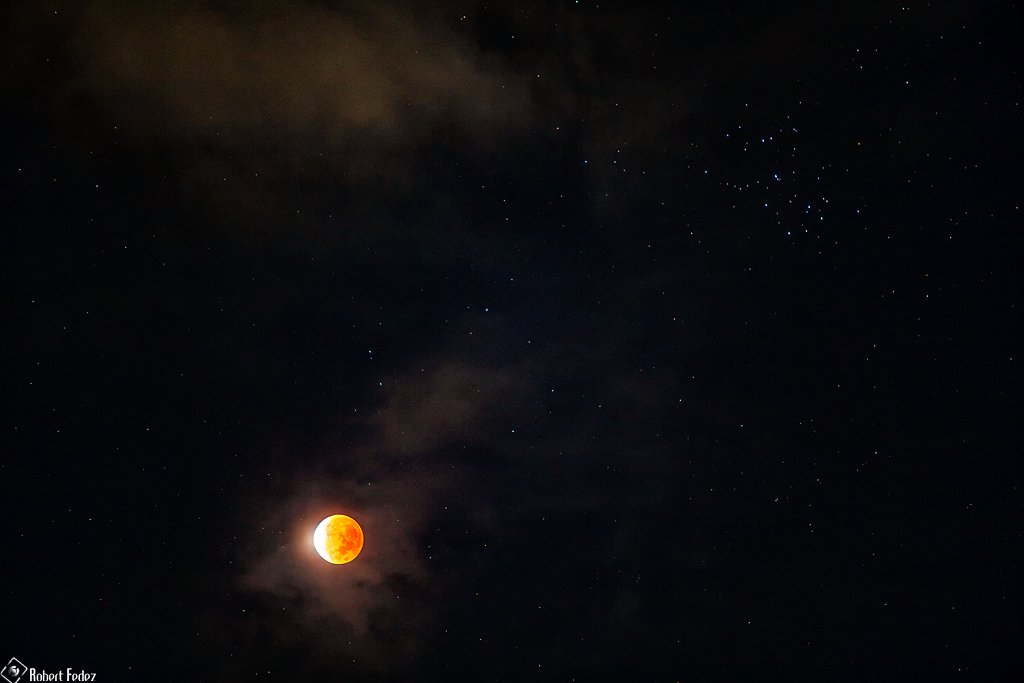
The National Geographic Institute specifically highlights the region of Cantabria as one of the ideal viewing spots. As long as the weather is clear and the western view is good, you can enjoy the most spectacular phase of the eclipse. Additionally, the western parts of the Iberian Peninsula, the Canary Islands (Canarias), and Ceuta will have even better viewing conditions with a longer observation window.
Limited Viewing in Some Regions
It’s important to note that some parts of Spain may not be able to see the entire eclipse. Because the event coincides with sunrise, the Moon will set before the partial eclipse ends in areas such as Madrid, central Castilla y León, Extremadura, Castilla-La Mancha, parts of Andalucía, as well as the Balearic Islands (Islas Baleares) and Melilla.
In these regions, the Moon is expected to set around 7:51 AM, causing local viewers to miss the latter half of the eclipse. Therefore, observers in these areas should find their viewing spots earlier to catch the crucial moments around the maximum eclipse.
