Swarm Activity Overview: Over 420 Tremors in Four Days
Since last Saturday, seismic activity in Spain’s Granada province has significantly intensified. According to data from the Spanish National Geographic Institute (IGN), over 420 earthquakes have been recorded as of Tuesday. Among them, 136 tremors with a magnitude of 1.5 or higher—strong enough to be precisely recorded by instruments or felt by some residents—have occurred since the early hours of August 15.
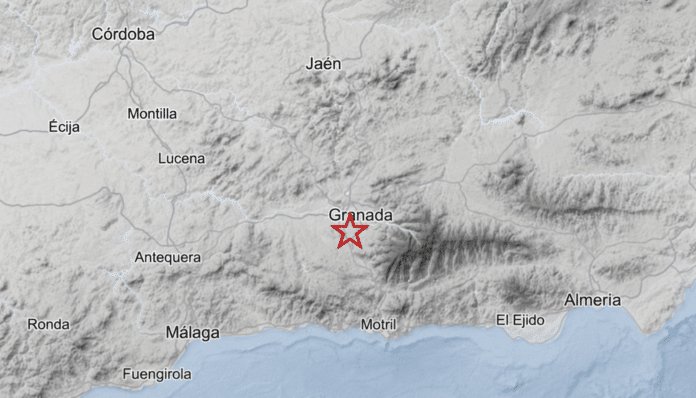
The seismic activity peaked on Tuesday, with a 4.8 magnitude earthquake occurring near the town of Gójar, reaching an intensity of V-VI. Additionally, several other strong quakes ranging from 3.9 to 4.2 magnitude were successively recorded north of Alhendín, east of Ogíjares, and in the Churriana de la Vega area. In a short two-hour span between 8:37 AM and 10:40 AM on Tuesday alone, 23 perceptible tremors occurred.
Social Impact: 3 Minor Injuries, Emergency Systems Strained
The ongoing earthquakes have had a tangible impact on the local community. According to official reports, three people have sustained minor injuries, including a minor who required hospital treatment. Additionally, medical services handled about 12 cases related to anxiety, stress, or falls. The emergency hotline received over 500 calls from concerned citizens for alarms and assistance during this period, highlighting widespread public concern.
Official Response and Cause Analysis
In response to the frequent seismic activity, the Granada City Council has acted swiftly, elevating the municipal emergency plan from the pre-emergency phase to the emergency phase (Operational Situation 1). This allows for more effective resource mobilization, inter-departmental coordination, and enhanced public information dissemination.
Geological experts point out that the cause of this earthquake swarm is related to the active fault system of the Betic Cordillera, where the region is located. The stress accumulated from the movement of tectonic plates is being released through a series of small to medium-sized earthquakes.
Expert Forecast and Safety Guidelines
Carlos González, a seismologist from the Spanish National Geographic Institute, stated that the earthquakes are expected to continue in the coming days, although their specific intensity and location are difficult to predict precisely. Citing a similar earthquake swarm that occurred locally in 2021, he noted that seismic activity could persist for several weeks or even longer after the main shocks.
In light of this, the IGN has issued detailed earthquake safety guidelines to the public. They advise people indoors to stay away from windows, doors, and furniture that could collapse, and to take cover under a sturdy table to protect their heads. Outdoors, individuals should move to open areas, away from buildings and power lines. Experts also urge citizens to remain calm, avoid panic, and closely follow official information from authoritative sources.
