Fictitious Transactions to Embezzle Corporate Funds
Recently, the Spanish National Police (Policia Nacional) conducted a joint law enforcement operation in Benidorm and San Vicente del Raspeig in the province of Alicante, successfully dismantling a group suspected of commercial fraud, money laundering, and organized crime. During the operation, police arrested four male Spanish suspects, three of whom belong to the same family.
The breakthrough in the case originated from an internal review by the victimized company’s management. The company executive reported to the police that the number of invoices for wooden pallets submitted by a purchasing employee was severely abnormal, with the procurement volume far exceeding the company’s actual operational needs. After intervening, the police found that none of the transactions involved actual delivery of goods. The corporate insider reached an agreement with an external supplier to embezzle company funds simply by issuing fake invoices, agreeing to split the illicit proceeds fifty-fifty. According to calculations, the total amount defrauded by the group reached 383,328 euros.
Data Anomalies Reveal Criminal Network
Financial investigations objectively reflected the group’s criminal trajectory. After reviewing the accounts, the police discovered that over the past four years, the book value of related business transactions experienced a massive surge that completely defied commercial logic. From an annual transaction volume of about 15,000 euros in 2021, it climbed all the way to 200,000 euros in 2025, a cumulative increase of 1,200%.
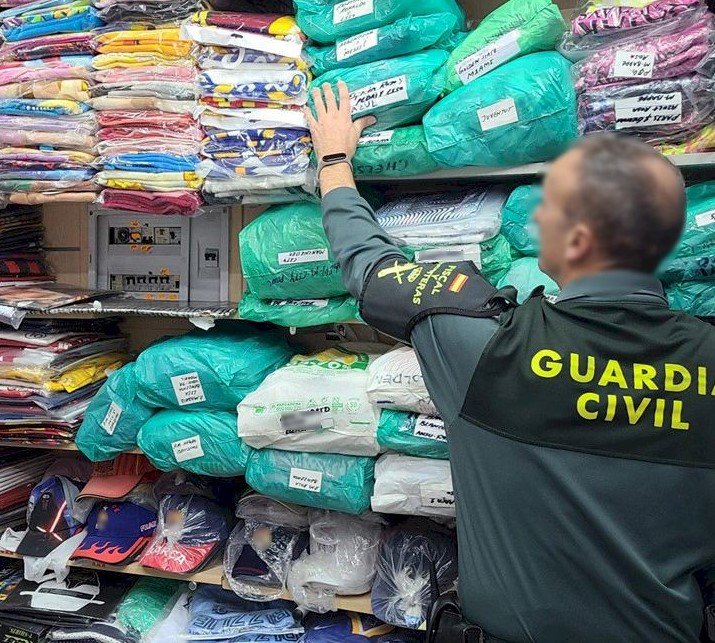
After gathering sufficient evidence, the Spanish National Police quickly locked onto their targets and arrested the insider employee and the collaborator responsible for issuing the fake invoices in San Vicente del Raspeig. At the same time, the actual controller of the wooden pallet company acting as the fund recipient and his two sons were also apprehended. In subsequent search operations, law enforcement officials lawfully seized over 32,000 euros in cash from the suspects’ residences and personal belongings.
Cross-Border Money Transfers in Money Laundering Attempt
To legitimize the massive illegal proceeds, the criminal syndicate employed covert money laundering methods. One of the core ringleaders attempted to purchase overseas real estate by transferring funds internationally to Ecuador, thereby concealing the illegal origins of the money.
Another key suspect utilized corporate restructuring to obscure the financial paper trail. This suspect deliberately transferred the management rights of the involved company to his son’s name, while converting his own status to a sole proprietor. After completing this identity change, he made multiple small cash withdrawals, artificially increasing the difficulty of evidence collection for the police.
Currently, the four suspects, accused of embezzlement, fraud, and money laundering, have been officially transferred to the local judicial authorities awaiting further legal proceedings.
