Human Remains Discovered in Valencia Sewer as Police Launch Criminal Investigation
Municipal Flood Prevention Clearing Uncovers Underground Mystery
In preparation for the upcoming autumn flood season and to prevent urban waterlogging, the Valencia City Council in Spain dispatched a professional cleaning team to the Nazaret neighborhood around 9:00 AM this Tuesday to perform routine clearing and maintenance of the drainage system. While working deep within the underground pipe network near L’Estacioneta street and the Cantarranas pumping station, workers unexpectedly discovered a carefully wrapped plastic bag. Upon inspection, they found several unidentified bone fragments inside, immediately halted their operations, and reported the finding to the police.
Joint Police Inspection Confirms Nature of Remains
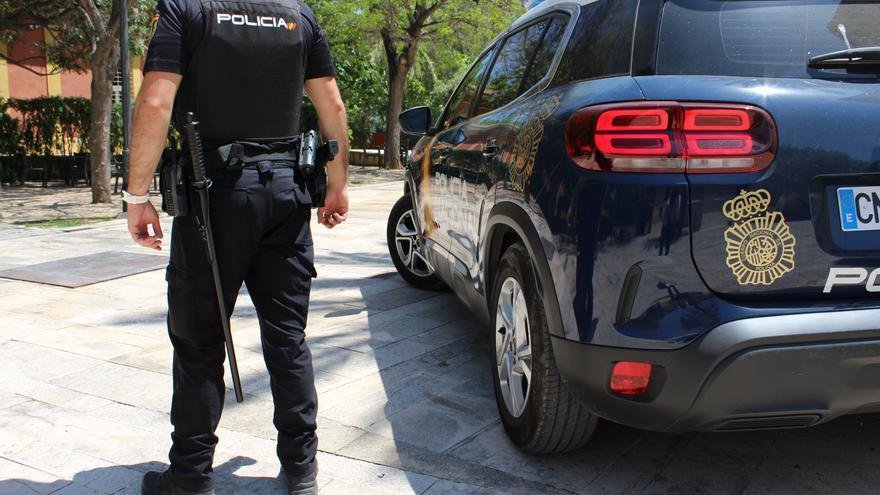
Upon receiving the report, Valencia police responded swiftly, immediately activating the special protocol for human remains. The Spanish National Police Homicide Investigation Unit, the Scientific Police, and the on-duty forensic doctor rushed to the scene, completely cordoning off the area and securing evidence. To prevent the destruction of crucial clues, the inspection team completed exhaustive environmental photography and evidence collection before extracting the remains. Following a preliminary on-site verification by forensic and criminal investigation experts, it was definitively determined that the bones inside the bag were not animal bones, but genuine human remains. Based on this significant discovery, the case was officially transferred to the Homicide Investigation Unit for an in-depth investigation according to criminal case standards.
Forensic Identification and Missing Persons Comparison Proceed Simultaneously
Currently, the mysterious human remains found in the plastic bag have been securely transferred to the Institute of Legal Medicine (IML) in Valencia. The institution’s team of anthropology and forensic dentistry experts is conducting a comprehensive scientific examination. Investigators plan to use cutting-edge forensic techniques, including DNA extraction and comparison, bone age estimation, and pathological feature analysis of the remains, in an effort to identify the deceased and deduce the time of death and how long the bones have been there. Meanwhile, police are accessing local and national missing persons databases, attempting to find cold cases or missing persons leads that match the characteristics of the remains.
Case Nature Undetermined as Police Investigate All Possibilities
Although the Homicide Unit is fully involved, the Spanish National Police have not yet reached a final conclusion on the nature of the case at this stage. The investigation team’s scope is extremely broad, encompassing both potential criminal offenses involving malicious murder and disposal of a body, without ruling out other special incidents of a non-criminal nature. Police point out that the bones could also originate from the improper relocation of nearby old cemeteries, the illegal transfer of historical remains, or relics from other historical periods. The core mysteries, such as the specific motive for wrapping the bones in a plastic bag and the duration they were hidden in the sewer, remain to be unraveled by subsequent authoritative forensic reports and in-depth police investigations.
