“Forced Heirship”: The Core Limitation of Spanish Estate Distribution
In Spain, testators cannot completely dispose of all their assets as they please. Under the Spanish Civil Code, the vast majority of regions have a legal provision known as “forced heirship” (legitima). This system ensures that a specific portion of the estate must be compulsorily left to certain legal heirs, typically children. Inheritance lawyer Irene Gramage explains that this means even if a will explicitly states that all assets are to be gifted to someone else, this legal share remains protected by law, thereby limiting the testator’s freedom of distribution.
Significant Regional Differences: Navarre’s Special Inheritance Rules
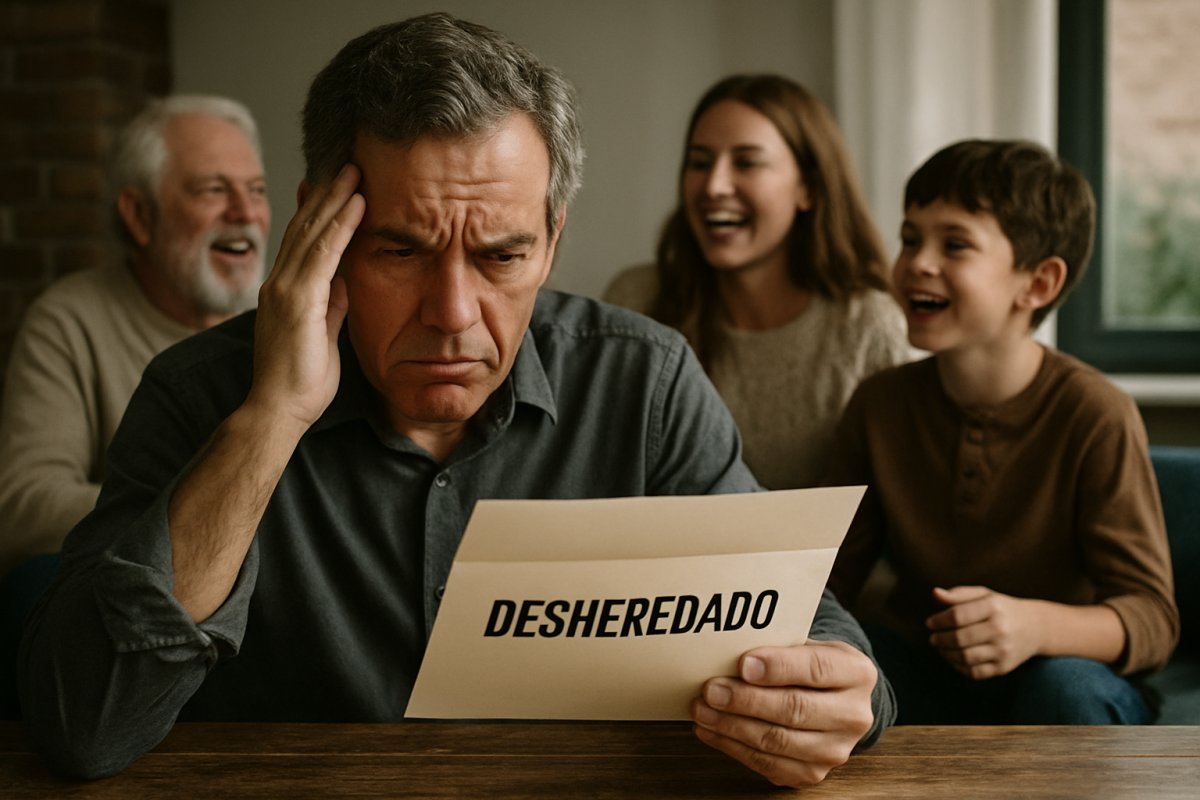
A major feature of Spanish inheritance law is that it is not nationally uniform; each Autonomous Community (Comunidad Autonoma) has independent inheritance regulations, leading to huge differences in rules. Lawyer Gramage points out that the Navarre (Navarra) autonomous community is a notable exception. In this region, the law allows testators, under specific conditions, to disinherit children from their legal share without providing a specific reason. This provision makes an individual’s place of residence a key factor affecting their estate planning. Therefore, the same estate may face vastly different legal constraints and distribution outcomes in different autonomous communities.
“Changing Residence”: A Legal Estate Planning Strategy?
Faced with strict inheritance limitations, some people are starting to seek legal workarounds. Lawyer Gramage reveals that her law firm, Herencia Firma, annually receives clients wishing to adjust their estate distribution or even disinherit some children. One of her team’s research focuses is analyzing the regional inheritance regulations currently applicable to clients and exploring the possibility of legally changing their civil neighborhood (vecindad civil) to apply a more favorable set of regional laws. Gramage emphasizes that this is not simply “exploiting legal loopholes” but is based on an in-depth analysis of personal circumstances to determine the most suitable legal framework. She personally believes that assets acquired through individual labor and already taxed should rightfully have greater freedom of disposal.
Comprehensive Planning: A Holistic Consideration of Wills, Inheritance, and Taxation
Professional estate planning is a multifaceted and complex process that goes far beyond simply “who to leave the money to.” It requires a comprehensive consideration of drafting a will, defining inheritance rights, and related tax issues. Due to the complexity and variability of regional laws, Gramage advises that anyone with estate planning needs should consult a professional lawyer before drafting a will to fully understand the legal details of their region and all viable legal options. Through advance planning, individuals can not only fulfill their personal wishes but also effectively avoid potential future family disputes and legal risks.
