The Agricultural Miracle of the “Sea of Plastic”
In southern Spain, the province of Almería is known as the “Sea of Plastic” due to its vast expanse of greenhouses, which are visible even from space. It stands as one of Europe’s most vital agricultural supply hubs, with its importance growing, especially during the winter months. Annually, over 3.5 million tons of fresh produce like peppers, tomatoes, cucumbers, and watermelons are harvested from this sprawling complex of greenhouses and shipped to markets across Spain and throughout Europe, upholding its title as the “Garden of Europe.”
A Workforce Dominated by Migrants
The engine of this massive agricultural system is its heavy reliance on manual labor. According to official figures, there are over 70,000 registered agricultural workers in Almería. However, estimates from unions and non-governmental organizations (NGOs) suggest a much larger workforce, likely exceeding 110,000 people. Among them, foreign migrant workers constitute approximately 90%, making them the indispensable backbone of local agricultural production.
The “Shadow Economy” of Undocumented Workers
Official statistics do not capture the entire workforce, particularly the “undocumented immigrants” who lack legal residency or work permits. This group forms a local “shadow labor market,” making them highly vulnerable to exploitation. In terms of wages, the standard hourly rate for legal workers is around €8, whereas undocumented laborers might see their earnings suppressed to as low as €4 to €5 per hour—a stark disparity. Their precarious legal status leaves them without protection, often forcing them to accept excessively long working hours and unequal treatment.
Harsh Working and Living Conditions
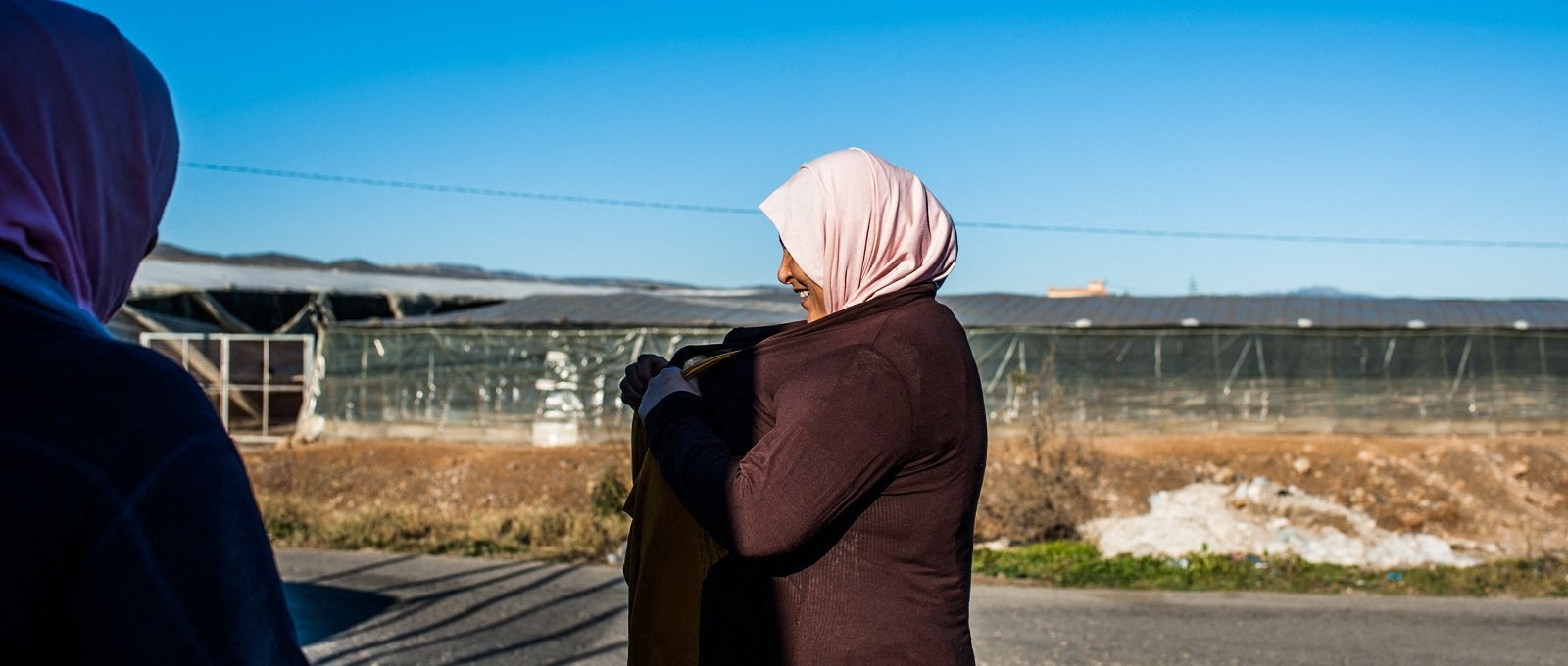
The working environment inside the greenhouses is extremely tough. During hot weather, temperatures inside the plastic structures can soar far above those outside, forcing workers to endure long hours of intense physical labor, such as harvesting and sorting, often while bending or kneeling. Concurrently, the living conditions for many migrant workers are equally dire. A significant number live in makeshift settlements that have sprung up spontaneously, often lacking stable access to water, electricity, and basic sanitation. After deducting daily expenses like food and transportation from their meager wages, they are left with very little to save.
The Social Challenge Behind the Prosperity
The agricultural prosperity of Almería stands in sharp contrast to the survival struggles of its migrant workforce. How to maintain the competitiveness of its produce in the European market while effectively improving the labor rights and human dignity of the migrant community has become a complex and unavoidable governance challenge for the “Garden of Europe.”
