National Rent Pressure Continues to Escalate
According to the latest data released by the real estate portal Idealista, pressure in the Spanish rental market continues to escalate. As of July this year, the national average rent reached 15.3 euros per square meter, an increase of 6.8% compared to the same period last year. In the past three months alone, rental prices have risen by 2.7%. High rent is increasingly becoming a severe social issue. Data shows that Spanish households now spend up to 39% of their net income on rent, a proportion significantly higher than the widely accepted healthy threshold of 30%, indicating that the housing burden on residents is consistently growing.
Core Market Analysis: Madrid as the Key Bellwether
Faced with continuously rising rents, the market is generally concerned about whether this trend will ease after September. Real estate market analyst Sergio Gutiérrez points out that Spain is not a homogeneous market, and significant differences exist between regions. He believes that Madrid and Barcelona, as two major core cities, have a decisive impact on the national rent trend. However, because the Barcelona market has been subject to more policy interventions, its price fluctuations may not fully reflect the supply and demand dynamics of a free market. In contrast, the Madrid market more clearly reveals the natural trajectory of future rents, making it a key bellwether for predicting national trends.
Have Rents Peaked? Affordability Becomes the Market Ceiling
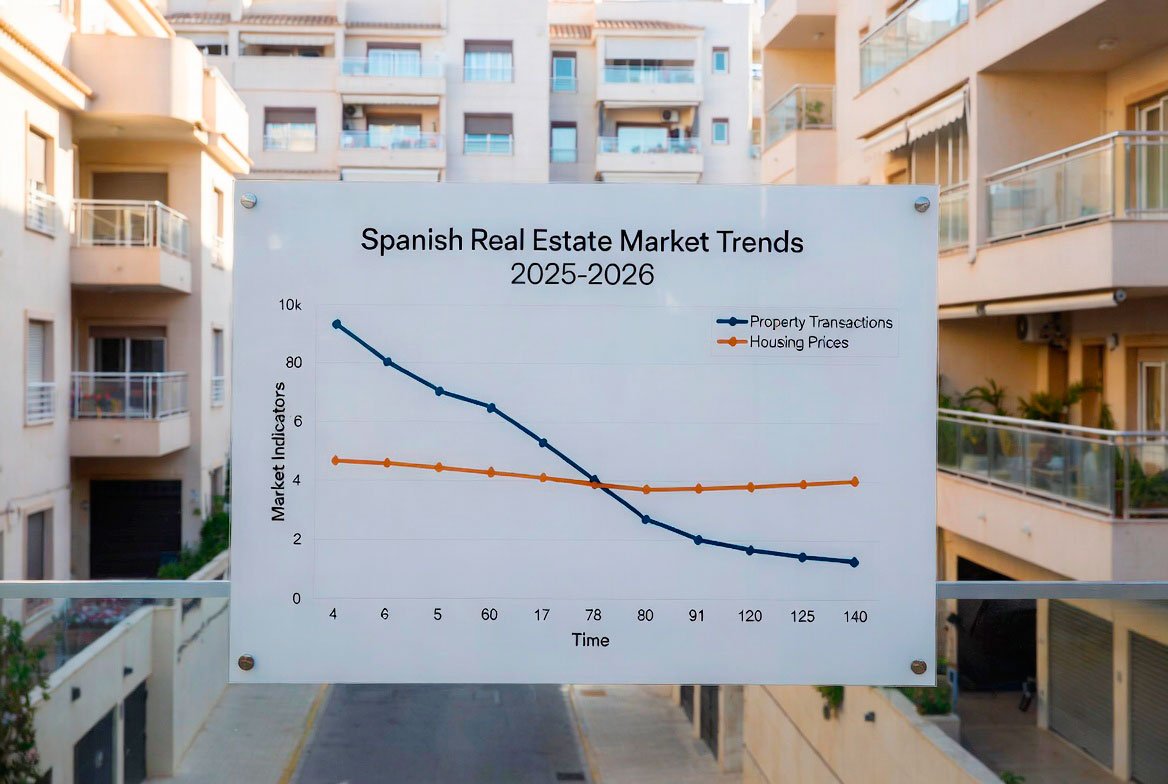
A signal worth noting is that the Madrid market has recently shown initial signs of rent declines. This change confirms the view of María Matos, Director of Research at Fotocasa, who suggests that rental prices may gradually be reaching the economic limits of what tenants can afford. In the past, landlords could raise prices relatively freely, but today, tenants’ affordability has become a “ceiling” that restricts limitless rent hikes. Based on this, analyst Gutiérrez predicts that the pace of rent increases in Spain will slow down in the future, and there may even be a slight, moderate decline, though a sudden market “crash” is highly unlikely.
Future Outlook: Room Rental Policies May Introduce Variables
Experts further suggest that government policies regarding the shared housing market could be a major variable affecting future rent trends. Currently, sharing a flat or renting individual rooms to split costs is a reluctant yet necessary choice for many tenants coping with high rents. If the government introduces policies in the future to strictly restrict or even ban this room-rental model, some tenants will be forced out of the market because they cannot afford the rent of an entire apartment independently, leading to a drop in rental demand. In this scenario, landlords may be forced to lower rents to attract and retain tenants who can still afford to pay. Therefore, whether the Spanish rental market can experience a true turning point after September will highly depend on tenants’ actual affordability and the government’s subsequent regulatory policies.
