During a tenancy in Spain, the division of repair responsibilities for appliance breakdowns or aging facilities often triggers disputes between landlords and tenants. According to the Urban Leases Act (LAU), the party responsible for repair costs does not depend on the financial amount, but rather on whether the fault stems from the natural aging of the property or the daily wear and tear and improper use by the tenant.
Landlords Bear the Cost of Facility Aging and Natural Wear
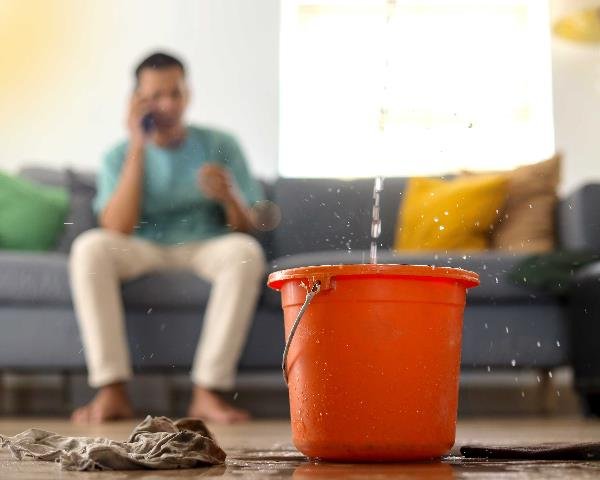
According to the relevant provisions of the Urban Leases Act, if property facilities experience issues due to prolonged use, aging, or normal wear and tear, the repair responsibility falls on the landlord. Common faults of this kind include rusted pipes, aging electrical circuits, damaged waterproofing, and malfunctioning water or heating systems. The law does not specify a maximum limit for the repair costs borne by the landlord. Lawyer Arantxa Goenaga Llorca points out that the core criterion for determining responsibility is the root cause of the facility damage, not the specific repair amount. Even if the repair costs are high, as long as it is a system failure caused by natural aging, the landlord cannot pass the repair costs onto the tenant.
Tenants Are Responsible for Minor Daily Repairs and Damage from Misuse
Regarding the scope of the tenant’s responsibility, it primarily focuses on minor maintenance during daily use and damage caused by improper personal operation. Article 1563 of the Spanish Civil Code clearly stipulates that the lessee must bear the corresponding legal responsibility for property damage occurring during the lease period. Therefore, routine consumable maintenance, such as changing light bulbs, adjusting faucets, and repairing toilet cisterns and blinds, falls within the tenant’s scope of responsibility. If equipment is ruined due to tenant negligence or improper use, the related repair or even replacement costs must be borne by the tenant.
Appliance Repair Disputes and Contract Signing Advice
Large household appliances provided in the rental property, such as washing machines, refrigerators, and ovens, are typical areas with a high incidence of rental disputes. If the equipment fails to work due to natural aging after years of normal operation, the landlord is obliged to repair or even replace the entire unit. Conversely, if it is determined to be caused by improper operation by the user, the tenant is responsible for compensation.
To prevent potential legal disputes, legal professionals recommend that both parties detail the responsibility clauses in writing when signing the contract, clearly defining the specific scope of “minor repairs” and the maintenance obligations of each party as much as possible. When encountering sudden breakdowns during daily living, both parties should first objectively clarify the cause of the damage, and then fulfill the corresponding payment obligations according to legal provisions or contract agreements.
