Record-Breaking Fatality Figures
According to data from the Royal Spanish Lifesaving and Rescue Federation (RFESS) in its National Drowning Report, Spain recorded 308 drowning deaths from January 1 to July 31, 2026, setting a new record for the same period. The situation became particularly severe with the arrival of summer, as June and July saw 92 and 91 fatalities, respectively. Two consecutive months with over 90 deaths have brought the issue of water safety back into the public spotlight.
Victim Profile: Predominantly Middle-Aged and Older Men
The data shows a clear demographic pattern among drowning victims. Of the 308 fatalities in the first seven months of 2026, men accounted for the vast majority, with 240 deaths, making up nearly 80% of the total. Age is another significant risk factor, with the elderly being a high-risk group. There were 56 victims in the 65-74 age bracket and 52 aged 75 and over. Furthermore, the deaths of 31 minors serve as a stark warning to society. This victim profile is highly consistent with 2025 data (where men comprised 81.5% of total deaths and over half of the victims were over 45), indicating that specific groups require greater attention and protection.
High-Risk Locations: Danger Extends Beyond the Beach
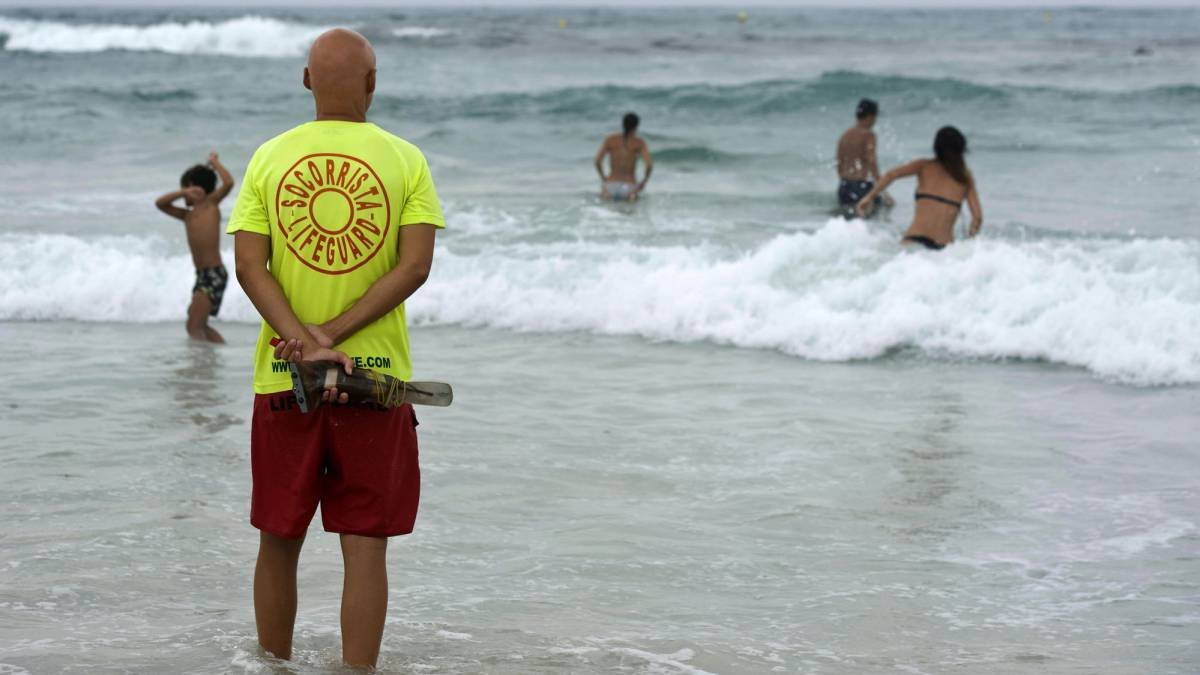
While beaches are often considered the primary location for drowning incidents—with 45 deaths on beaches in July 2026 alone, accounting for nearly half of that month’s total—the overall data shows a much wider distribution of risk. Statistics from January to July 2026 reveal that nearly 60% of drowning fatalities occurred in areas other than beaches. During the same period, swimming pools, rivers, and other bodies of water also became sites of tragedy. In July, for instance, in addition to the 45 beach incidents, 19 people died in swimming pools, 18 in other water environments, and 9 in rivers.
Long-Term Trends and A Grave Challenge
The current drowning crisis is not an isolated event. Historical data paints a grim picture of water safety in Spain. A total of 472 people drowned in 2025, the second-highest number on record after 2017. Over the past 11 years, more than 4,600 lives have been lost to drowning incidents. Experts point out that the risk of drowning is present year-round, not just during the summer swimming season. Factors such as overconfidence, misjudgment of environmental risks, and declining physical health can all lead to tragedy, posing a long-term and formidable public safety challenge for Spain.
