1. Posing as Professionals to Probe Occupancy
One of the most direct ways criminals test a home is by posing as salespeople, repair technicians, or surveyors, ringing the doorbell or knocking to see if anyone is home. If the same person shows up at different times and pointedly asks about your daily routine, household members, or upcoming vacation plans, you should be immediately vigilant. While not all door-to-door service providers have malicious intent, you should avoid revealing any personal information and end the conversation quickly if they seem unusually insistent on gathering private details.
2. Using Hidden Marks on Doors and Windows to Determine Vacancy
A more covert tactic involves leaving inconspicuous marks near the doors or windows of a target residence. Burglars might wedge tiny plastic or paper pieces, or apply clear tape, in the door jamb, keyhole, or at the bottom of the door frame. The purpose of these marks is to see if the door has been opened over a period. If the mark remains undisturbed, criminals will assume the home is likely unoccupied for an extended time. Furthermore, some criminal groups use a specific system of symbols, leaving marks on walls, mailboxes, or sidewalks to communicate messages like “easy target,” “alarmed,” or “unoccupied.” If you find any such unfamiliar objects or markings, remove them immediately and watch closely to see if they reappear.
3. Rummaging Through Trash to Collect Sensitive Personal Information
Your trash can be another source of information leaks. Casually discarded letters, bills, delivery slips, or documents containing personal identification can become an intelligence source for criminals. By analyzing this information, they can piece together the homeowner’s name, phone number, bank account details, and even daily habits. To prevent this risk, security experts recommend using a shredder or thoroughly tearing up all documents containing personal data before disposal, ensuring the information cannot be recovered.
4. Loitering in the Vicinity for Direct Surveillance
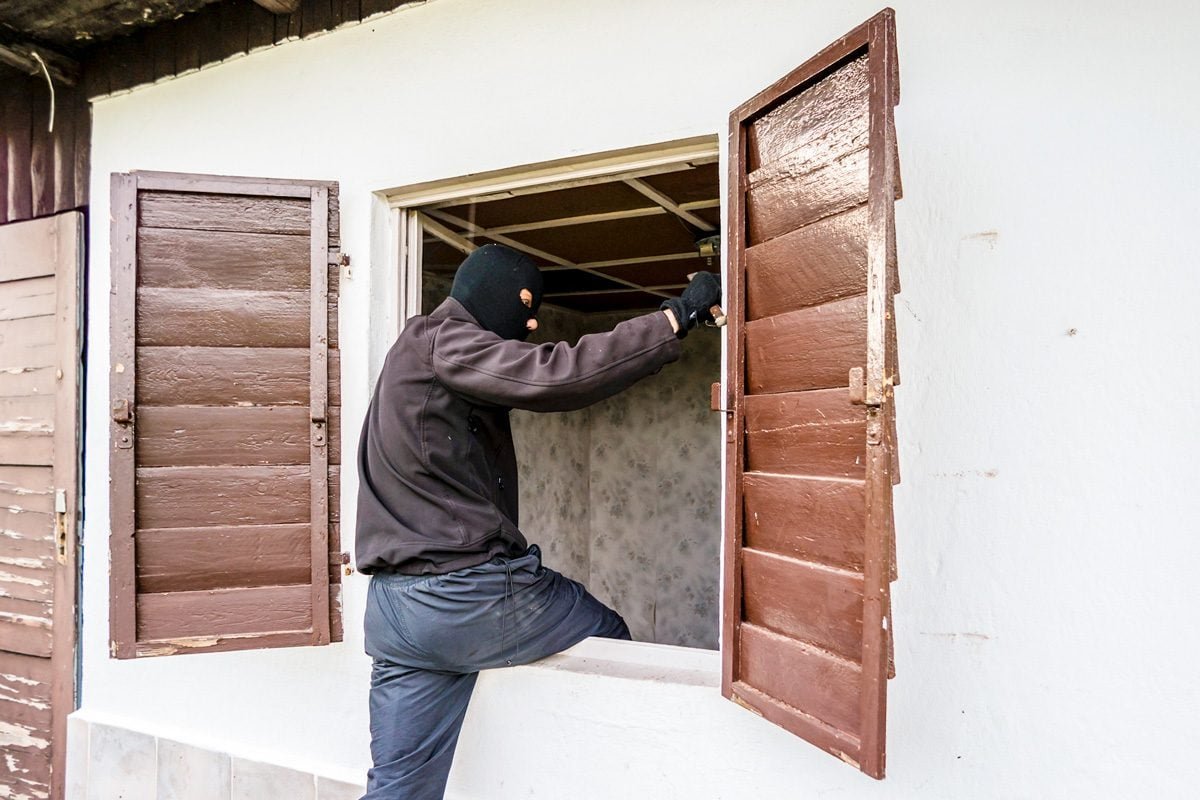
After identifying a preliminary target, some burglars will conduct direct, on-site observation. If you notice strangers lingering for extended periods, repeatedly wandering near your residence, and observing or photographing your home’s doors, windows, or balconies, it is highly likely a pre-burglary surveillance attempt. Experts advise against confronting these individuals yourself. Instead, maintain a safe distance and promptly contact the National Police (Policía Nacional) or the Civil Guard (Guardia Civil). Additionally, if you plan to be away for a long time, ask a trusted friend or relative to check on your house periodically, collect mail, or use light timers to create the illusion that someone is home, effectively reducing the risk of being targeted.
