Lately, I’ve seen a lot of questions on the forums about studying in Spain, and some prospective students are on the fence about architecture. Since I’m studying it here myself, I thought I’d share my experience to hopefully help you all out. To be honest, studying architecture in Spain is a journey of both pain and pleasure.
Why Study Architecture in Spain?
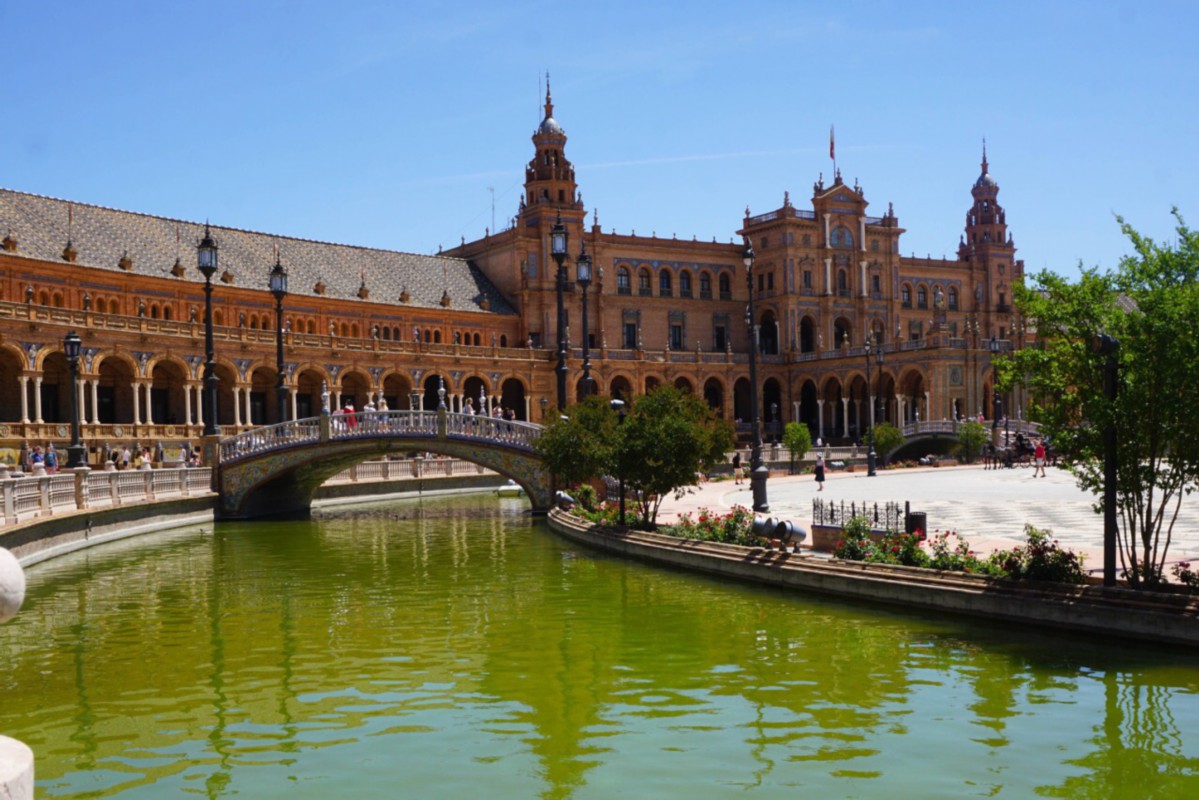
First off, Spain’s architectural heritage is incredibly rich. From Roman ruins and Moorish palaces to Gaudí’s fantastical curves and Calatrava’s futuristic structures, the country itself is a living textbook of architectural history. Studying here means you’re constantly surrounded by masterpieces, , and this kind of immersive learning is something you can’t get elsewhere.
Top School Showdown: Madrid vs. Barcelona
When it comes to top architecture schools in Spain, two names immediately come to mind: the School of Architecture at the Technical University of Madrid (ETSAM) and the School of Architecture at the Polytechnic University of Catalonia (ETSAB). These two schools are constantly battling for the top spots in national and global architecture rankings. In simple terms, ETSAM is known for its strong technical foundation and rigorous structural training; the program is incredibly demanding, so slacking off is not an option. On the other hand, ETSAB leans more towards artistry, theory, and urban studies, with a more liberal and open atmosphere. Of course, the architecture program at the Polytechnic University of Valencia (UPV) is also excellent and offers great value for money.
Key University Characteristics
| School (Acronym) | City | Style / Focus |
|---|
| ETSAM | Madrid | Technical focus, structural rigor, strong fundamentals |
| ETSAB | Barcelona | Artistic, theoretical, avant-garde design |
| UPV | Valencia | Strong overall, budget-friendly, Mediterranean influence |
The Learning Experience and Workload
Spanish architectural education places a strong emphasis on the ‘construction’ itself, rather than just conceptual games. The curriculum is comprehensive, covering everything from hand drawing and model making to structural mechanics, building materials, and urban planning—you have to learn it all, and master it all. The workload is immense; pulling all-nighters to finish drawings is a common occurrence, so be prepared! The upside is that by the time you graduate, you’ll possess a complete set of knowledge and practical skills, not just theoretical ideas. Forget about becoming a master right after graduation
Graduation Prospects and Career Development
Now for the topic everyone is most concerned about: jobs. To be frank, the local architecture market in Spain is competitive, but a degree from a top school is highly valuable and recognized globally. Many graduates choose to work in other European countries or return to their home countries, and they are very competitive in both markets. After all, Spain is the country that has produced several Pritzker Prize winners. Receiving your education here, a country also home to top universities for Spanish programs, is a significant boost to your resume. In short, if you truly love architecture and aren’t afraid of hard work, Spain is definitely a place where you can gain a wealth of knowledge. If you have any questions, feel free to leave a comment below, and I’ll get back to you when I see it!
