Outbreak Status and Victim Information
On August 25, 2026, health authorities in the Spanish region of Extremadura officially reported a death from West Nile fever (West Nile Virus). The deceased, a 68-year-old woman, is the first patient in the region to die from the virus this year. The incident has once again raised high alert among the public and medical community regarding mosquito-borne diseases during the summer.
Historical Data and Regional Comparison
In recent years, the West Nile Virus has shown persistent activity in Extremadura. According to epidemiological statistics, the region confirmed 32 cases in 2024, resulting in 3 deaths. By 2025, the number of infections grew to 39, with the death toll rising to 5. Alarmingly, the vast majority of cases are concentrated in the healthcare area covered by the Hospital Don Benito-Villanueva, particularly in the ‘Vegas’ zone.
In contrast, the outbreak has been effectively controlled in other autonomous communities of Spain. For example, Andalusia achieved nearly zero new cases and zero deaths in 2025. This comparison highlights the particularly severe situation in Extremadura, where containment pressure has not significantly eased.
Virus Transmission and High-Risk Groups
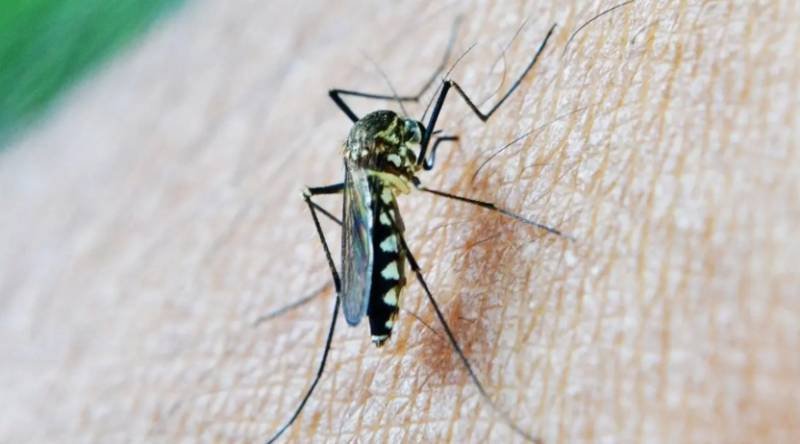
The West Nile Virus is primarily transmitted in a natural cycle involving Culex mosquitoes. The typical transmission chain involves mosquitoes becoming carriers after biting infected wild birds and then spreading the virus to humans through subsequent bites. Clinical studies show that most healthy adults experience no symptoms or only a mild fever upon infection. However, the elderly and individuals with underlying chronic diseases are at high risk of developing severe illness. If the condition worsens, it can easily lead to serious neurological complications like encephalitis, which is the core reason for the high mortality rate among elderly patients in the region over the years.
Health Department Response and Public Prevention Advice
To curb the spread of the virus, the Extremadura Health Service (SES) has comprehensively strengthened its vector surveillance network in 2026. For the first time, officials have deployed 10 fixed mosquito monitoring stations in Don Benito and Cáceres, along with one mobile station, to conduct precise tracking and density analysis of the Culex mosquito population.
Simultaneously, public health authorities have issued environmental control guidelines to residents, strongly urging the public to eliminate mosquito breeding grounds. Specific measures include promptly emptying standing water from containers such as flowerpot saucers, buckets, pet water bowls, and old tires; covering open-air water storage facilities; and regularly cleaning roof gutters to remove potential mosquito habitats.
