Breakthrough Discovery by Japanese Team
A landmark study by a research team from Osaka University, Japan, has unveiled the unique characteristics of supercentenarian immune systems. Led by researcher Kousuke Hashimoto, the team found through blood analysis that a special type of immune cell, the CD4-positive cytotoxic T lymphocyte (CD4 CTL), constitutes up to 17% of T cells in supercentenarians (aged 110+). This proportion is significantly higher than in other age groups, where it is around 4% in seniors (70-99) and only about 10% in centenarians (100-109).
The Powerful Function of “Super Immune Cells”
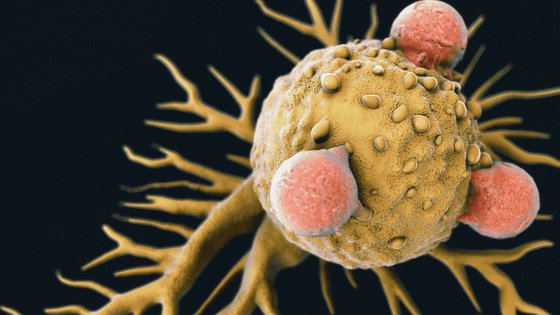
The study further indicates that these CD4 CTL cells, abundant in supercentenarians, are not only numerous but also exceptionally potent. Unlike the functional decline (immunosenescence) seen in the immune systems of the general population with age, these cells show no signs of exhaustion. They maintain high cytotoxic efficiency, precisely identifying and clearing cancerous and virally infected cells, thus forming a strong biological defense.
Corroboration from Spanish Research and Case Study
This finding has been corroborated by a Spanish research institution. The Sant Pau Research Centre in Barcelona observed a similarly robust immune phenomenon in its study of María Branyas Morera, the world’s oldest living person. Experts noted that Ms. Branyas’s immune system is highly enriched with cells capable of warding off various health threats. A compelling testament to this is her lifelong resistance to multiple infections; she was even asymptomatic after contracting COVID-19 and made a full recovery, showcasing the extraordinary resilience and efficiency of her immune system.
Future Outlook: Replicating the Immune Mechanism of Longevity
Scientists speculate that the unusual proliferation of CD4 CTL cells in supercentenarians is an active defensive adaptation to combat accumulating cellular damage and the reactivation of latent viruses during the aging process. The primary goal of current research is to delve into the specific mechanisms of this cellular expansion and identify their precise targets. Unlocking this mystery could provide a theoretical foundation for developing new anti-aging and cancer prevention therapies. Ultimately, it may be possible to mimic or activate this powerful endogenous defense system in the broader population to promote healthy aging.
