Mass Protest Escalates into Violent Conflict
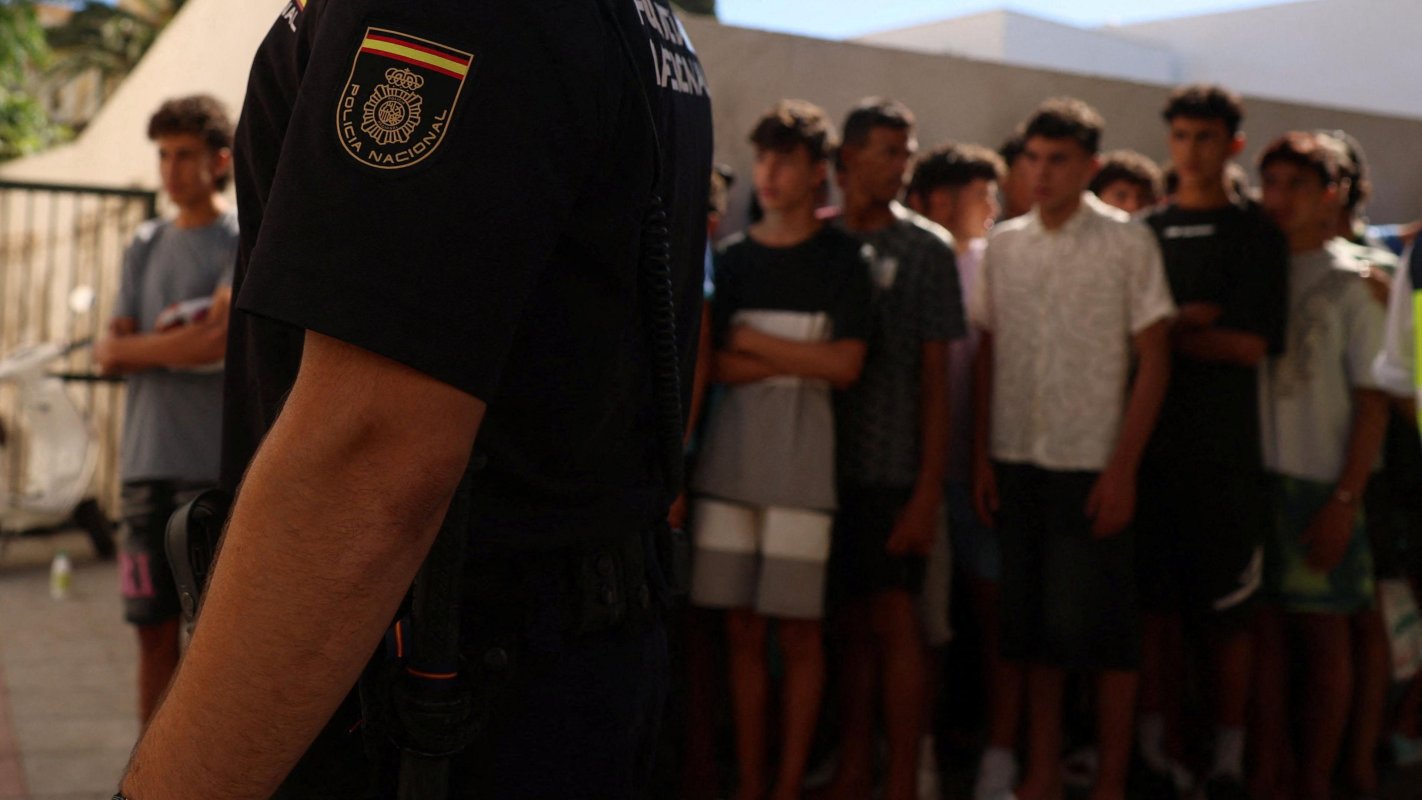
Social discontent, simmering since the mass irregular entry event in late July, erupted this Wednesday afternoon in a historic demonstration. In Ceuta, a city with only about 84,000 permanent residents, thousands of citizens took to the streets demanding the repatriation of newly arrived migrants and calling for the resignation of key government officials.
However, the march did not de-escalate the situation. That evening, dozens of protesters went to Playa del Trampolín, where hundreds of migrants had set up makeshift tents and were receiving aid from organizations like the Red Cross. There, protesters attempted to forcibly dismantle the migrants’ tents and throw their belongings into the sea, quickly escalating the confrontation into a physical clash.
Police Fire Warning Shots to Control the Situation
Faced with an out-of-control scene, the Spanish National Police (Policía Nacional) deployed at the site were forced to intervene. Officers formed a cordon between the two groups and used riot control equipment, including rubber bullets. To prevent further escalation, police ultimately fired warning shots into the air, which managed to disperse the crowd and restore order.
Clashes Spread to Other Neighborhoods
That same night, the violence was not confined to the beach. In the Benzú neighborhood on the other side of the city, an attack on military personnel occurred. According to the police report, a group of 30 to 40 people surrounded a civilian vehicle carrying four Spanish soldiers and threw large rocks at it, causing damage to the vehicle and injuring the occupants. The four soldiers managed to escape.
Following the incident, the National Police and the Guardia Civil acted swiftly, arresting 12 migrants suspected of participating in the attack.
Roots of the Crisis and Government Response
The immediate trigger for this series of conflicts was the mass irregular entry event on July 30-31, when over 70,000 migrants crossed from Morocco into Ceuta. For nearly a month, with around 10,000 migrants remaining, the local community has been under immense pressure. Strained public resources, a rise in crime, and the poor living conditions of the migrants themselves have created an extremely volatile social climate.
In response to the crisis, the President of the Autonomous City of Ceuta, Juan Jesús Vivas, has announced a relocation plan to move approximately 1,800 migrants from Trampolín beach to five indoor public facilities, including Santa Amelia and the Libertad sports center. The Spanish central government has classified the event as “a situation affecting national security interests” and has stressed that repatriation is the top priority. Although Minister Félix Bolaños has publicly stated that Morocco has agreed to cooperate, he also acknowledged that the repatriation process is complex and time-consuming, making it difficult to resolve the issue of the stranded migrants in the short term.
