As summer wildfires become more frequent in Spain, the pilots tasked with extinguishing them are under immense physical and mental strain. The Spanish Commercial Airline Pilots’ Association (COPAC) recently issued a stark warning, stating that systemic overwork and inadequate logistical support are pushing flight safety to a dangerous edge.
Workloads Pushing Physiological Limits
According to data released by COPAC, the workload for firefighting pilots has reached alarming levels. Some pilots’ daily flight time can be as high as 8 hours, and in some cases, due to insufficient crew rotation, a crew’s cumulative flight time can reach up to 80 hours over 28 consecutive days.
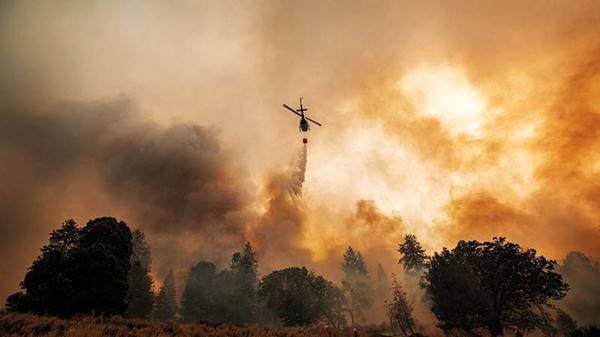
Association President Carlos San José emphasized that these missions are inherently challenging, often requiring operations at low altitudes over complex terrain, accompanied by constant high mental stress. When pilots are severely fatigued, the risk of accidents during such high-risk operations increases dramatically, creating a severe safety hazard.
Systemic Lack of Logistical Support
In addition to intense flight schedules, frontline personnel face a severe lack of basic logistical support. Pilots report that mission planning is often chaotic and mid-air coordination is frequently problematic. More seriously, when pilots are frequently moved between different bases, basic needs such as accommodation and meals are often not guaranteed.
The association pointed out that there have even been instances where, after reaching their maximum daily flight limit, pilots were not provided with transportation back to their base. This inability to secure even basic rest conditions severely affects the crew’s physical recovery and mental well-being.
Association Calls for Multi-Party Intervention and Structural Reform
Faced with deteriorating working conditions, COPAC has made clear demands for reform to the relevant authorities. The association calls for immediate measures to increase the number of available pilots to establish an effective rotation system, preventing individual crews from being pushed to their limits for extended periods.
At the same time, COPAC urges the establishment of a set of work and rest regulations based on physiological limits and fatigue science, and calls for mandatory guarantees of basic conditions such as accommodation, food, and personal hygiene for pilots during missions.
The association explicitly calls on the Spanish Aviation Safety and Security Agency (AESA), the Ministry for the Ecological Transition, regional governments, and all relevant air operators to share responsibility in planning and managing firefighting missions at a systemic level. COPAC stresses that the vital task of protecting public safety should not come at the expense of the health and safety of frontline professionals.
