Residents Set Fire to Migrant Camp
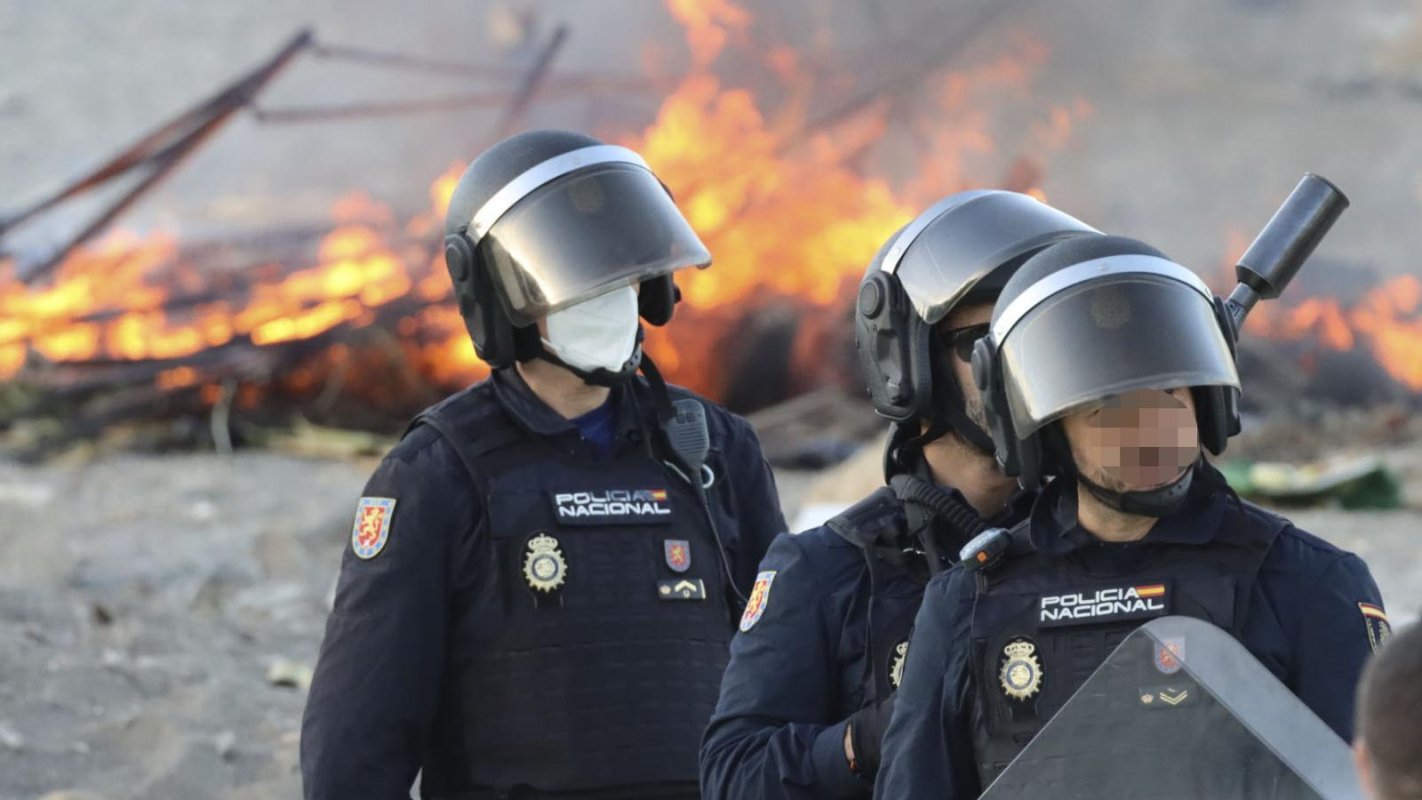
New conflicts erupted in Ceuta, Spain’s North African exclave, on August 27. According to Spanish media reports, near Playa del Trampolín, some local residents broke through police cordons, entered a temporary settlement built by undocumented migrants, and set fire to several makeshift shelters. The situation at the scene became tense following the incident. However, as of now, detailed information regarding casualties, the extent of property damage, and further police actions has not been released.
A Month of Mounting Tensions
This arson attack was not an isolated incident but the result of accumulating social friction and escalating tensions in Ceuta over the past month. The roots of the tension trace back to the night of July 30-31, when a large number of undocumented migrants entered Ceuta from Morocco by swimming or climbing over the border breakwater. Figures on the number of arrivals vary: Spain’s Ministry of the Interior initially estimated around 50,000, while the think tank AthenaLAB suggested a figure as high as 70,000. To date, Spanish officials have not released a final, confirmed number.
Local Government’s Plea and Central Response
The large influx of migrants has placed immense social and humanitarian pressure on Ceuta. In the early stages of the crisis, Ceuta’s Mayor, Juan Jesús Vivas, stated that approximately 2,000 undocumented migrants had arrived in just the ten days prior, describing the situation as an ‘absolute humanitarian and social emergency.’ He urgently requested assistance from the Spanish central government. In response, the Spanish government announced the deployment of the army to assist the Guardia Civil in reinforcing border defense and security in Ceuta, but stated that a national state of emergency would not be declared.
Complex Community and Geopolitical Context
Prior to this arson incident, friction between the local community in Ceuta and the migrants had become increasingly apparent. Earlier reports indicated that some local residents had attempted to block the delivery of food and other supplies to the migrant camps, reflecting a deteriorating relationship. Furthermore, the crisis has sparked geopolitical discussions. While some analysts speculated the migrant surge was linked to diplomatic developments involving Morocco and Israel, Spain’s intelligence services concluded after an investigation that Morocco had ‘allowed’ the mass crossing to happen but that it was not a deliberately orchestrated action.
