Giants Join Forces: Madrid Robotaxi Plan Announced
Global autonomous driving company WeRide has recently confirmed the official launch of its business expansion plans in Madrid, Spain. According to the announcement, WeRide will partner with mobility giant Uber to jointly launch a driverless taxi (Robotaxi) service in the Community of Madrid, aiming to have the project operational by the end of 2026.
WeRide is a leading company in the field of Level 4 autonomous driving, currently operating approximately 3,400 autonomous vehicles in over 60 cities across 13 countries, including more than 1,800 Robotaxis. This entry into the Spanish market is seen as a significant step in its global expansion and signals a forthcoming technological transformation in Spain’s public transport.
Regulation First: The DGT’s ES-AV Assessment Framework
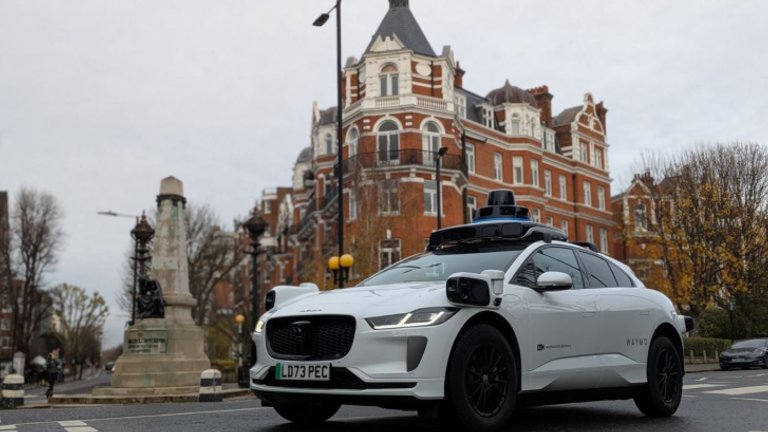
The commercial operation of autonomous vehicles in Spain is not a simple process; it must adhere to strict laws and regulations. Before any driverless vehicle can be on the road, it must pass the “Safety and Technical Assessment Framework for Automated Vehicles” (ES-AV) established by Spain’s General Directorate of Traffic (DGT).
This framework sets clear prerequisites and a phased evaluation process for the testing and operation of autonomous vehicles on public roads. Initially, the project requires small-scale tests with a safety driver on board. After data and safety are verified, it can progressively move to large-scale trials. The final stage may even permit vehicle operation without an in-person safety driver, managed through remote monitoring. To coordinate this complex process, the DGT has also established a dedicated official office (OFVA) to centralize and manage approvals.
Legal and Ethical Hurdles: Challenges Before Commercialization
Obtaining a road test permit is just the first step. On the path to full commercialization, a series of complex legal and ethical issues need to be resolved. The definition of liability in case of an accident is a key focus. When a vehicle is controlled by an autonomous system, there is currently no legal consensus on whether the software developer, the vehicle operator, or the remote supervisor should be held responsible for a traffic accident.
Furthermore, other challenges arise, including: determining who is penalized for traffic violations, the retention and judicial access to accident data, cybersecurity of the vehicle’s systems, compliant use of passengers’ personal data, and the access rights of administrative regulators to core technical data. These issues must be clarified through legislation or industry standards before the service is officially opened to the public.
A Comprehensive Test: Spain’s Opportunities and Challenges
The WeRide and Uber collaboration in Madrid is not just an innovation in mobility; it’s a comprehensive stress test for Spain’s existing traffic management system, legal responsiveness, and cybersecurity infrastructure. Europe has been exploring the integration of technological innovation with traffic regulations, and Spain’s move reflects this trend.
In the future, the successful rollout of the robotaxi model in Spain will depend on achieving a balance between technological maturity and regulatory completeness, thereby unlocking the societal value of technological innovation while ensuring public safety.
