Mortgage Lending and Average Loan Amounts Surge
According to the latest data from Spain’s National Statistics Institute (INE), the pressure on the Spanish real estate market is increasing significantly. In June 2026, the average amount for a housing mortgage in the country reached €178,365, an unprecedented historical high. Meanwhile, the mortgage market remains highly active. Data shows that in the first half of 2026, a total of 259,684 housing loans were approved nationwide, a 7% increase compared to the same period last year. In June alone, mortgage lending grew by 10.8% year-on-year, indicating strong market demand.
Regional Markets Show Clear Divergence
A look at the data from Spain’s autonomous communities reveals significant regional differences in mortgage market growth. The Canary Islands (Canarias) led the way in the first half of the year with a staggering 31.4% increase in mortgage lending. Following closely were Castile-La Mancha (Castilla-La Mancha) and the Valencian Community (Comunitat Valenciana), with growth rates of 23.2% and 16.1% respectively, all well above the national average. However, not all regions experienced this growth. The Balearic Islands (Illes Balears), Cantabria, and Galicia saw a decline in mortgage activity during the same period, in stark contrast to the national upward trend.
The Dual Drivers Behind High Loan Amounts
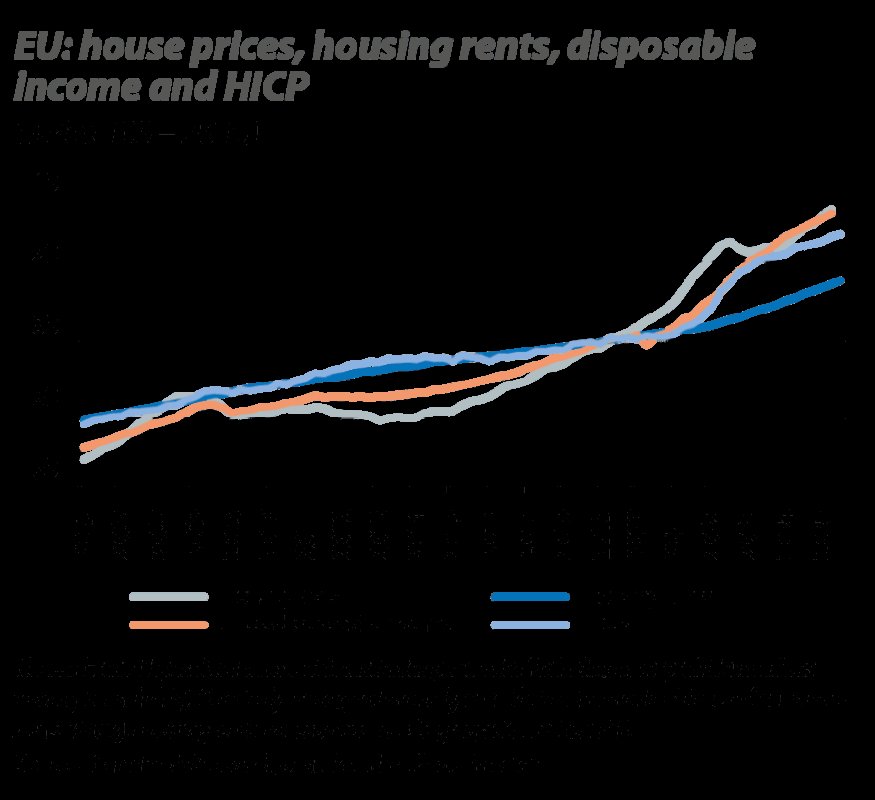
Industry analysts point out that the surge in the average loan amount is not due to an increased consumer appetite for borrowing but is a passive consequence of rising real estate prices and insufficient market supply. As property prices are pushed ever higher, potential buyers are forced to apply for larger loans to afford homes of similar size and condition. Therefore, the average loan of €178,000 primarily reflects the direct transfer of high property costs onto the homebuyer.
Short-Term Relief Fails to Solve Long-Term Problems
The significant increase in the number of mortgages in June 2026 may be linked to a temporary improvement in financing conditions that month. The Euríbor, a key benchmark for mortgage rates, fell to 2.79%, the only month in the first half of the year to see a decline, which partially stimulated loan demand. Additionally, the statistics may also be influenced by refinancing operations (terminating old loans to take out new ones), which can nominally inflate the number of new loans. Despite these short-term positive factors, market experts widely agree that the core issues of the Spanish real estate market—high property prices and a housing shortage—remain unresolved. As long as this fundamental contradiction persists, the burden of homeownership for ordinary families is expected to continue to increase.
