In recent years, the trend of young people delaying leaving their family home has become a global phenomenon, and it is particularly pronounced in Spain. Unlike the traditional notion of ‘adulthood means independence,’ shifts in modern socioeconomic structures are reshaping the life paths of the younger generation, making their journey to independence longer and more complex.
‘Emerging Adulthood’: A Psychological Perspective
The field of psychology offers a theoretical framework for understanding this transitional phase. Professor Jeffrey Jensen Arnett of Clark University introduced the concept of ‘emerging adulthood’ (Adultez emergente) to describe the specific life stage between the ages of 18 and 29. According to this theory, young people in this period are exploring and experiencing instability in identity, education, and career development. While striving for autonomy, they still periodically require economic and emotional support from their families of origin.
The State of Youth Independence in Spain: Data and Reality
According to the latest data from the European Union, the average age for young people in EU member states to leave the parental home and live independently (emancipación) in 2024 is 26.2. In Spain, however, this figure is significantly higher, with the average age for leaving home climbing to around 30, nearly four years later than the EU average. This indicates that Spanish youth face greater challenges on their path to full independence compared to their peers in other European countries.
Economic Pressures: The Main Driver of Delayed Independence
Expert analysis suggests that the delay in independence among Spanish youth is not merely a matter of personal choice or psychological maturity but is rooted in deep socioeconomic factors. Three main objective barriers stand out:
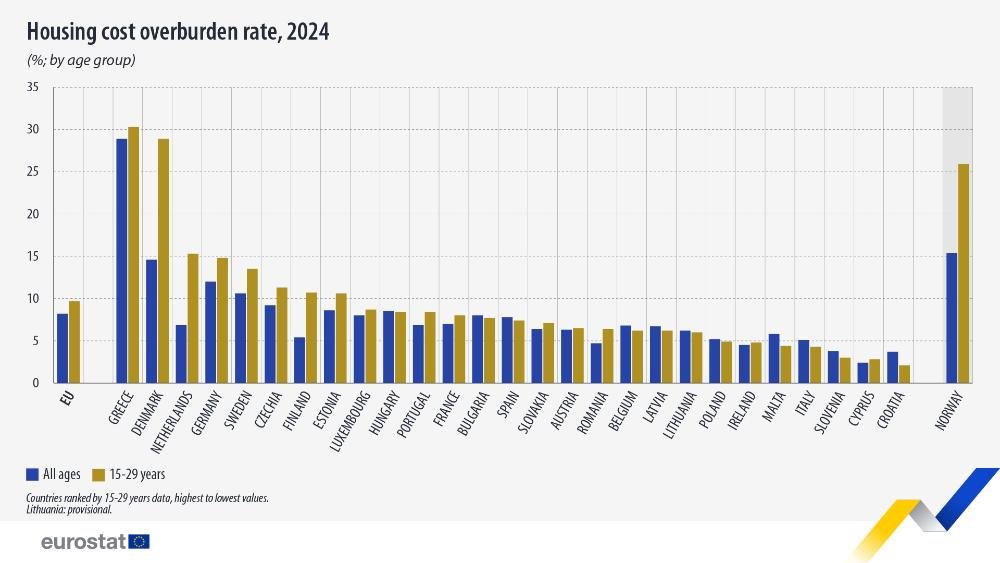
- High Housing Costs: Whether renting or buying, soaring property prices are unaffordable for young people on limited incomes.
- Precarious Labor Market: High youth unemployment rates and the prevalence of temporary contracts lead to a lack of job and income security.
- Wages Mismatched with Living Costs: The salaries of many young people are insufficient to cover the expenses required for an independent life.
Social Adaptation and Policy Outlook
From a social adaptation perspective, extending the time living with parents can be seen as a rational survival strategy for young people under current socioeconomic pressures. It provides them with a buffer against economic risks and a necessary emotional and social support network. This phenomenon is also observed in nature, such as in some whale pods where offspring remain with their mothers for extended periods to gain a survival advantage.
Experts emphasize that society should redefine ‘independence,’ viewing it as a gradual process rather than an abrupt milestone. To better support the youth, it is crucial to develop more targeted housing subsidies and employment promotion policies. This will not only help them overcome practical difficulties but also facilitate their psychological and social transition from dependence to self-reliance.
