King Plans Historic Visit as Government Stresses Cooperation with Morocco
Spanish Prime Minister Pedro Sánchez announced on August 31 that King Felipe VI will visit Ceuta “at the appropriate time.” This will be the first visit by a Spanish head of state to the North African autonomous city in twenty years, with the specific schedule to be coordinated between the government and the Royal Household. In an interview with Cadena SER, Sánchez stressed that resolving the current situation depends on cooperation with neighboring Morocco and denied any intelligence suggesting Moroccan authorities orchestrated the crisis.
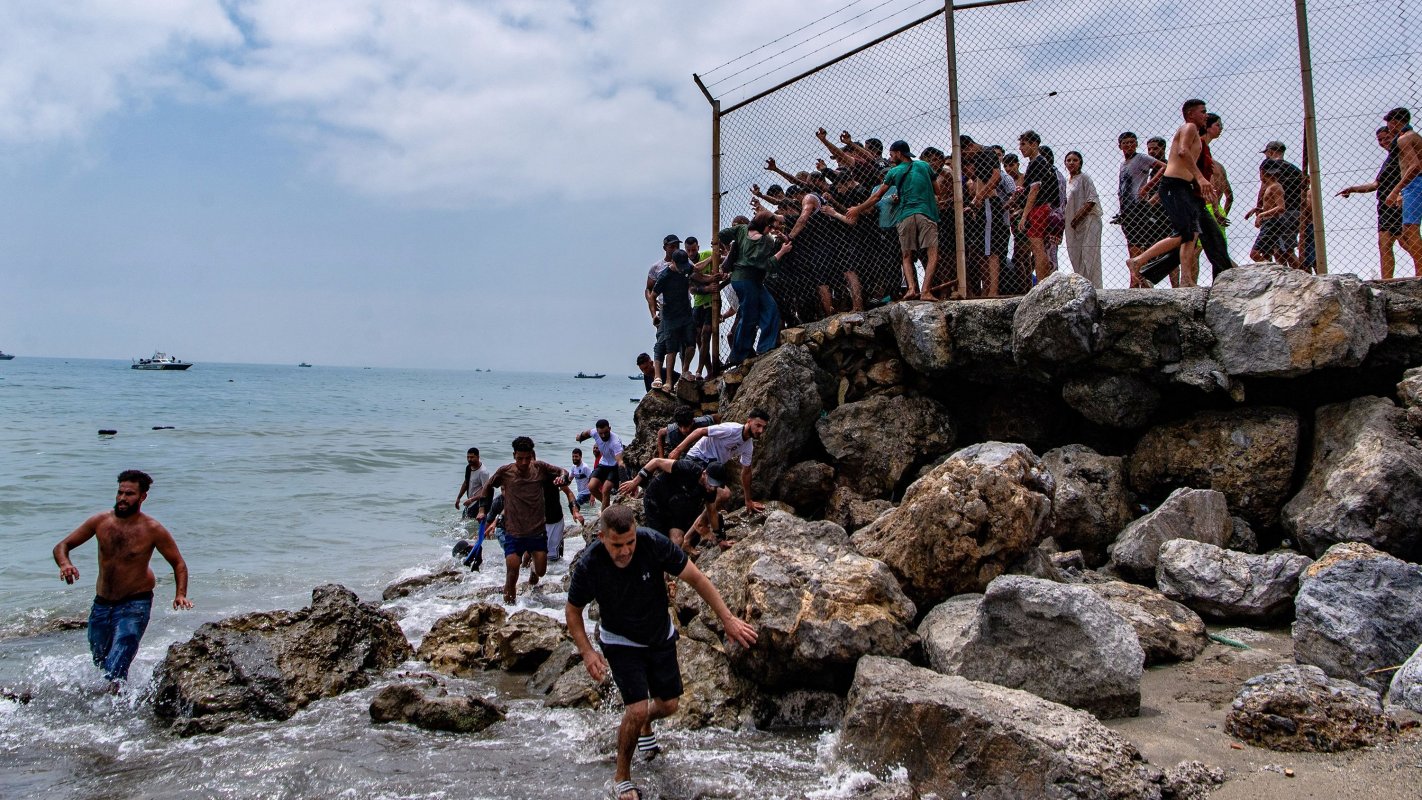
Sánchez stated that Spain and Morocco have maintained “continuous contact” since the crisis began, describing their cooperation as “frankly positive.” He suggested that a major trigger for the incident might have been a “misinterpretation” of a Supreme Court ruling on July 8, followed by rumors that spread online. He also noted that far-right groups have long used the issue of immigration to create division in Spain and across Europe.
Economic Devastation: €33 Million in Direct Losses
The month-long migrant crisis has dealt a severe blow to Ceuta’s economy. According to the Ceuta Chamber of Commerce, the crisis has caused approximately €33 million in direct economic losses, nearly 20% higher than initial estimates.
The impact on local businesses is palpable. Hamza, an employee at a downtown restaurant, described the effect of the sudden influx of migrants on business as “like going through another COVID pandemic.” José Antonio, who runs a salted fish shop on Chorrillo beach, said his shop was forced to close for a full week because the beach and surrounding areas were occupied by large numbers of people. Lahcen, the owner of a grocery store near the border, also closed for two days due to supply disruptions and crowds, losing about €100 per day.
A Look Back at the Chaos and Its Tragic Consequences
Although Tarajal beach, the initial epicenter of the chaos, has returned to calm a month after the crisis erupted, the scenes from late July remain harrowing. It is reported that at the height of the crisis, nearly 90 people tragically drowned on the Spanish side alone. Recalling the chaotic scenes, local business owner José Antonio said, “Some said 80,000 came, others said 100,000… The scene was complete madness.”
Prime Minister Sánchez admitted that the government had not received intelligence that could have predicted the scale of the events on July 30 and 31, stating, “Clearly, no one expected we would face a migratory wave of this magnitude.”
Ongoing Social Tensions
Beyond the economic losses, the crisis has left deep scars and fear within Ceuta’s society. Many local business owners still tell the media they are “afraid to go out” and are unwilling to speak publicly about their experiences, highlighting the sensitivity of the issue.
Meanwhile, social conflicts are erupting in more intense forms. According to supplementary reports, some local residents held marches demanding the expulsion of about 8,000 remaining migrants. They even set fire to migrants’ makeshift camps on El Trampolín beach and obstructed the Red Cross from delivering supplies. Furthermore, 16 sexual assault cases were recorded during the crisis, and Spain’s State Attorney General’s Office has announced it will send additional prosecutors to handle the surge in cases.
