Controls Extended: Italy and Spain Take Synchronized Action
According to the latest news, the Italian government decided on August 31 to extend its temporary border checks on travelers arriving from Spain for another 15 days. In a reciprocal response, the Spanish government announced it would apply the same extension to travelers from Italy. This means the border controls initiated by both countries in early August will continue until at least mid-September, further restricting free movement between the two major Schengen Area member states.
Crisis Origin: The Ceuta Incident’s Ripple Effect
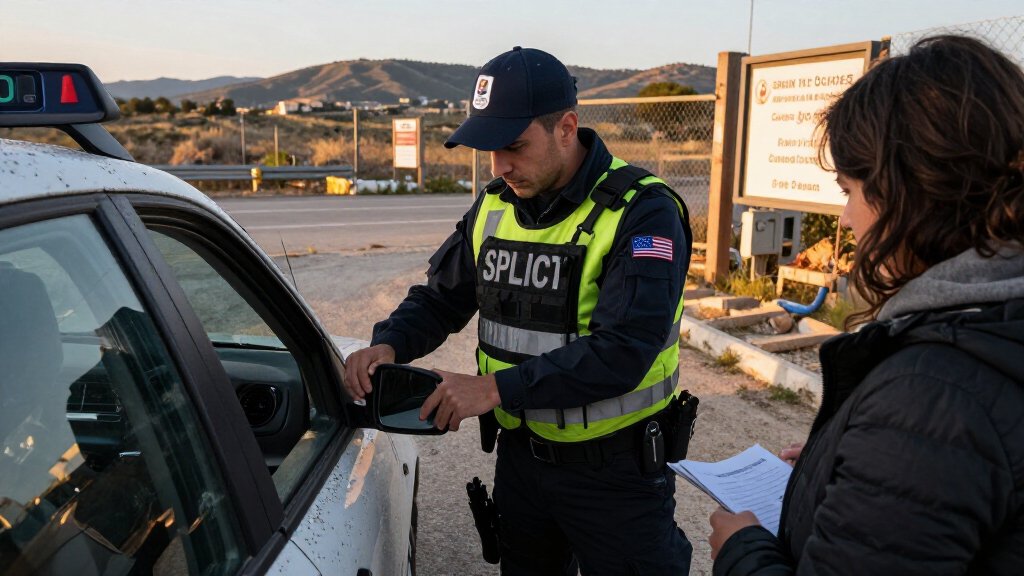
The root of this diplomatic and security turmoil can be traced back to the large-scale migrant crisis that erupted in the Spanish exclave of Ceuta in late July. From July 30 to 31, a large number of people entered Ceuta from Morocco, sparking security concerns across Europe. Subsequently, citing “national security and immigration risks,” the Italian government invoked relevant clauses of the Schengen Agreement to unilaterally reinstate border checks on air and sea travelers from Spain starting August 1, effectively suspending the normal Schengen arrangement between the two nations.
Reciprocal Measures: Spain’s Counter-Action and Enforcement Data
Facing Italy’s initial move, Spain implemented a reciprocal counter-measure. Starting August 8, Spain began conducting temporary border checks on travelers arriving from Italy by plane or ferry. According to data released by the Spanish Ministry of the Interior, as of August 30, Spanish border authorities had inspected 1,066 flights from Italy at airports and ports nationwide and conducted identity checks on 12,337 third-country nationals (non-EU citizens) arriving from Italy. This series of actions marks the escalation of the situation into a tit-for-tat control regime.
Traveler Advisory: Not a “Full Closure” but Allow Extra Time
It is important to clarify that the current measures are “temporary border checks,” not a “complete border closure.” Under the Schengen framework, EU citizens still enjoy the right to free movement, but they may face additional identity verification when entering and exiting airports and ports in both countries, leading to longer processing times. For all travelers planning to travel between Spain and Italy in the near future, it is highly recommended to carry valid travel documents such as passports and residence permits at all times and to allow extra time for check-in, boarding, and immigration procedures. The full resumption of free movement will depend on the two countries’ subsequent assessments of the security situation.
