In recent years, an urban gardening trend has been spreading across Spain, with many households starting to use their balconies, terraces, and even rooftop spaces to create their own green corners. Amid this craze, the dwarf lemon tree has become a sought-after star plant, thanks to its unique advantages.
A Compact Choice for Urban Environments
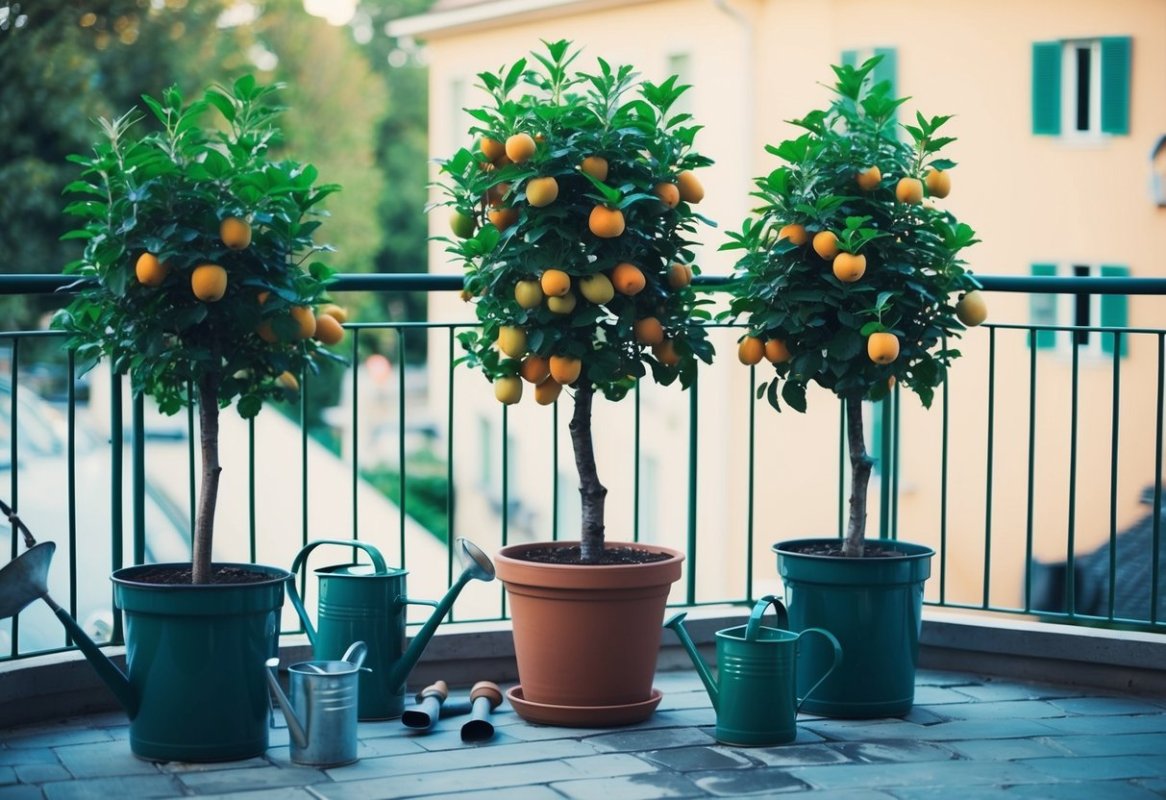
The most significant advantage of dwarf lemon trees is their compact size and excellent adaptability to container gardening. They can be seen everywhere from top-floor apartments in Madrid to residential balconies along the Mediterranean coast. Unlike traditional fruit trees with extensive root systems that require large plots of land, dwarf lemon trees have a controlled canopy and root size, making them ideal for growing in large pots. This not only solves the problem of limited space in urban homes but also effectively prevents the risk of plant roots damaging building structures or floor tiles. However, it’s important to note that if you choose to plant one directly in a garden, careful planning is still necessary to ensure a safe distance from walls, pipes, and other utilities.
The Potential for Multi-Season Flowering and Fruiting
One of the appealing features of a lemon tree is its ability to flower and produce fruit multiple times a year. In Spanish regions with suitable climates, a well-cared-for lemon tree doesn’t just bear fruit in a specific season. Spring blossoms can lead to summer fruit, while subsequent blooms can bring harvests in autumn and winter, allowing for a prolonged fruiting period. However, this ‘evergreen’ state isn’t guaranteed. In colder inland areas of Spain, frost poses a threat to lemon trees. Potted plants need to be moved indoors or to a sheltered, wind-protected spot when winter arrives.
Essential Care Tips for Successful Cultivation
Meticulous care is crucial for a dwarf lemon tree to grow healthily and bear abundant fruit. First, ample sunlight is fundamental; long hours of daily sun promote photosynthesis, flowering, and fruiting. Second, water management requires special attention. Water the tree based on the soil’s dryness, especially during hot summers, but avoid letting the pot become waterlogged, which can cause root rot. During growing and fruiting periods, regularly apply a specialized fertilizer for citrus plants to supplement key nutrients like nitrogen, potassium, and iron. Additionally, regularly inspect for and treat common pests such as aphids and spider mites. When planting, choose a sufficiently large pot and be careful not to bury the graft union (where the trunk meets the root system) too deep, as this can increase the risk of rot.
Both Ornamental and Practical Value
For residents in Spain, a well-maintained dwarf lemon tree can fulfill the triple need of greening the environment, beautifying a space, and harvesting fresh fruit. It allows urban households without large plots of land to experience the joy of managing a ‘mini-orchard.’ While the ideal of having ‘lemons all year round’ depends on the specific variety, local climate conditions, and the grower’s diligent care, harvesting homegrown lemons from your own balcony is undoubtedly a unique joy of city living, as long as you follow proper cultivation methods.
