Key Event: Swimming Bans Issued at Multiple Beaches Due to Water Pollution
In recent days, health authorities across Spain have discovered abnormal bacteria levels in several popular beaches during routine water quality checks. Emergency measures have been taken, prohibiting tourists from swimming. The bacteria exceeding safety limits are primarily E. coli and Enterococcus, whose presence typically indicates water contamination and can cause health issues such as gastrointestinal, skin, and ear infections.
Andalusia: Five Beaches Closed in the Province of Cádiz
The province of Cádiz in the Andalusia region is one of the main affected areas. According to the latest report from health authorities, a total of five beaches have been temporarily closed to swimmers due to poor water quality. The specific locations are:
- El Puerto de Santa María: Aculadero-Puerto Sherry beach, Fuentebravía beach
- Chipiona: Micaela beach
- Puerto Real: La Cachucha beach
- Rota: Punta Candor beach
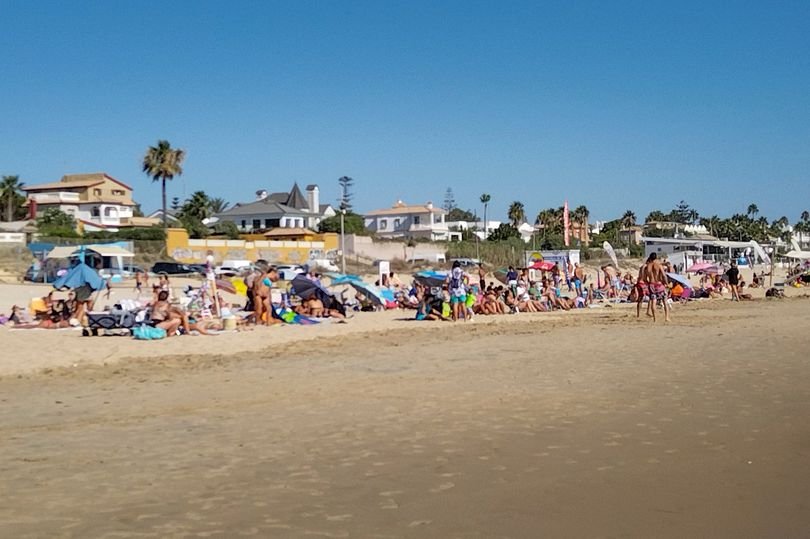
Test reports indicate that Aculadero-Puerto Sherry, La Cachucha, and Micaela beaches showed elevated levels of both E. coli and Enterococcus. Fuentebravía beach primarily exceeded the limit for Enterococcus, while Punta Candor beach had high levels of E. coli. Local authorities have posted clear warning signs prohibiting swimming at these beaches and have stated they will only reopen after follow-up tests confirm the water is safe.
Galicia and Tenerife: Facing Similar Water Quality Challenges
Besides Andalusia, other parts of Spain have experienced similar situations.
- Galicia: In the city of Vigo, swimming was advised against at A Calzoa beach on August 27 due to high E. coli levels. Previously, water quality warnings were also issued for areas like Samil, A Punta, and the Cíes Islands.
- Tenerife: On the island, Playa Jardín was closed to swimmers for a second time after tests revealed E. coli levels as high as 850 colony-forming units per 100 ml, far exceeding the safety threshold.
Local analysts widely believe that the recent heavy rainfall across Spain is the primary cause of the short-term deterioration in water quality. The rainwater has washed surface pollutants and untreated sewage into the ocean, causing a rapid increase in bacterial concentration in coastal waters.
Health Expert Warnings and Official Measures
Health experts point out that seawater with excessive bacteria may not appear cloudy or have an unusual smell but still poses a contamination risk. Swimming in it can lead to gastroenteritis, skin rashes, itching, and ear infections. The risk of infection is higher for children, the elderly, and individuals with weakened immune systems.
Officials strongly advise the public to:
- Strictly adhere to the red flags or “Prohibido el baño” (Swimming Prohibited) signs on the beach and do not enter the water.
- If you accidentally come into contact with potentially contaminated water, rinse your body thoroughly with clean fresh water as soon as possible.
- Seek medical attention if you experience symptoms like diarrhea, vomiting, or skin irritation after swimming.
Currently, local authorities are conducting expedited re-testing of the affected beaches to determine when it is safe to reopen them. Meanwhile, ongoing summer water quality monitoring, such as the program covering all 304 bathing spots in Andalusia, continues to ensure public health and safety.
