Sánchez’s Accusation: Linking the Migrant Issue to Foreign Policy
This diplomatic war of words originated from remarks made by Spanish Prime Minister Pedro Sánchez in an interview with Cadena SER radio. He stated that the “bold foreign policy” currently pursued by the Spanish government could invite pressure from countries like Russia or Israel through disinformation and public opinion manipulation, aimed at creating instability around the migration issue.
Sánchez further explained that he believes the underlying motive for these potential information interventions is not a genuine concern for the migration situation in Spain or Europe, but is related to the Spanish government’s clear stance on international affairs such as the Gaza war and the Russia-Ukraine conflict.
Moscow’s Firm Response: A Demand for Concrete Evidence
In response to Spain’s accusations, Russian Foreign Ministry spokeswoman Maria Zakharova issued a strong rebuttal this Tuesday. She emphasized that any accusation must be based on specific and verifiable facts to be taken seriously.
Zakharova made it clear that if the Spanish side cannot provide verifiable materials—such as specific numbers, dates, or names—then “there is nothing to talk about.” She urged Madrid to raise its concerns through official channels if it indeed possesses intelligence regarding cyberattacks or interference.
Russian Criticism: Spain Accused of Bypassing Official Channels
Zakharova further criticized the Spanish government’s handling of the matter. She pointed out that Madrid did not communicate its concerns through formal diplomatic channels, such as the Russian Embassy in Madrid or multilateral platforms like the United Nations. Instead, it chose to “run straight to the microphone to make statements” without simultaneously publishing any supporting material.
This move is seen by Russia as unprofessional and provocative, suggesting that Spain is making “empty accusations” rather than seeking a serious dialogue to resolve the issue.
Background: Russia’s Established Stance on EU Migration Policy
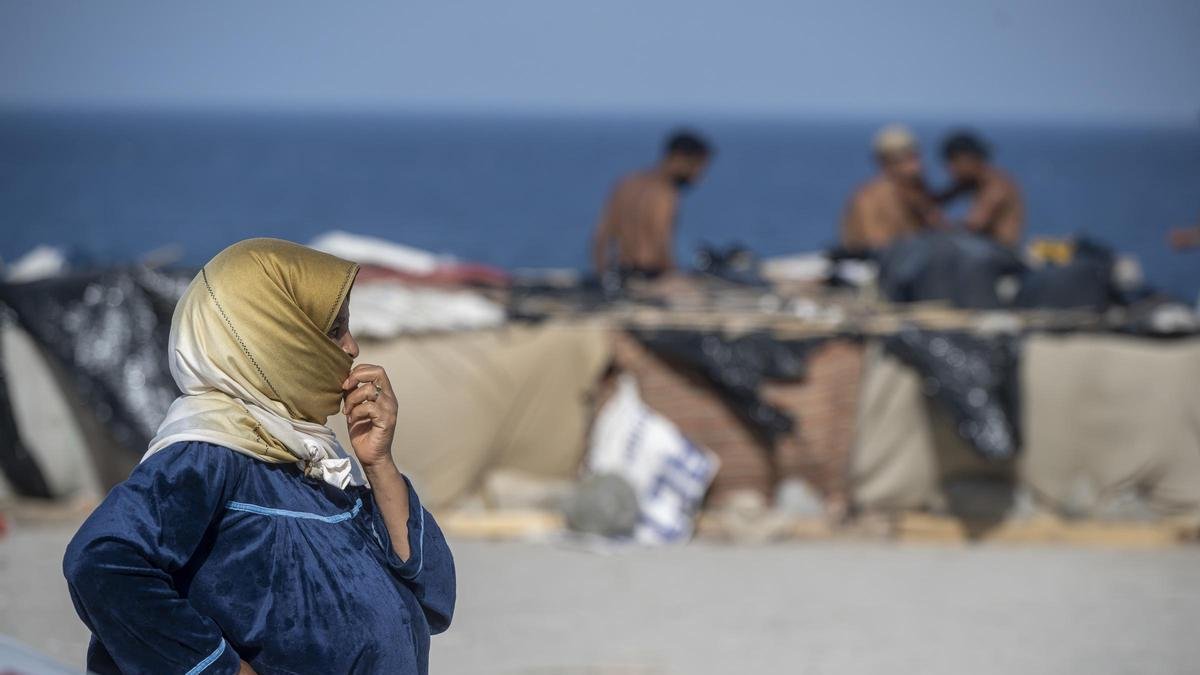
In fact, Russia has recently publicly criticized the EU’s migration policy on several occasions. Following the large-scale irregular border crossing incident in Ceuta at the end of July, the Russian Foreign Ministry labeled the event a “collapse of the EU’s migration policy.”
Russian Deputy Foreign Minister Alexander Grushko commented at the time that it was not only a humanitarian disaster but also exposed the deep-rooted problems in the EU’s migration policy over many years. He added that Madrid “could have spent the funds on its own security instead of investing in Ukraine.” These statements highlight the existing disagreements between Russia, Spain, and the EU on migration and security issues.
Currently, as the Spanish government has yet to publicly provide concrete evidence directly proving Russian involvement in disinformation campaigns related to the Ceuta migrant crisis, the diplomatic dispute between the two countries continues to escalate.
