Earthquake Sequence Recap: 4.8 Magnitude Mainshock Triggers Chain Reaction
According to records from Spain’s National Geographic Institute (IGN), the province of Granada and its metropolitan area experienced a series of seismic activities in mid-to-late August 2026. The most powerful earthquake, with a magnitude of 4.8, occurred on August 18 with its epicenter near Atarfe. On the same day, a number of perceptible aftershocks were also recorded, including ones of 4.2 and 4.0 magnitude. Seismic activity continued until August 25, with minor tremors still being felt.
Market Impact: Slower Bookings and Spreading Misinformation
The seismic activity had a direct impact on the local economy, which relies heavily on tourism and hospitality. Granada’s Federation of Hospitality and Tourism Businesses told the media that after the earthquakes, there was a noticeable slowdown in bookings for local restaurants and hotels. Meanwhile, false rumors about attraction closures, business interruptions, and safety conditions began circulating on social media, further fueling consumer uncertainty and challenging market confidence.
Official Response and Industry Strategies
In response to the situation, the Andalusian regional government stated after initial inspections that all healthcare facilities in the province had resumed normal operations. For the hospitality sector, however, the real challenge lies in restoring consumer confidence.
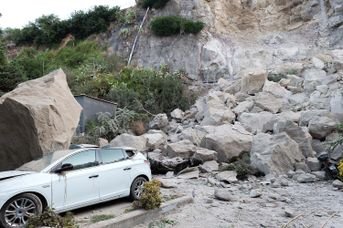
Industry analysis suggests that businesses should not rush into “post-earthquake sales” or similar marketing campaigns. A more prudent strategy at present should focus on information management and communication, with the following recommendations:
Prioritize and Assess Safety: If business premises show signs of wall cracks, fallen objects, or facility malfunctions, a safety inspection must be conducted first, following guidance from local authorities and professionals. Do not make “absolutely safe” promises to customers before receiving official confirmation.
Communicate Proactively and Transparently: Businesses should use multiple channels, such as booking platforms, social media, and storefront notices, to provide synchronized and clear updates on their daily operational status, traffic routes, and cancellation policies, actively correcting any misinformation.
Standardize Internal Messaging: Train employees to respond to customer inquiries based on official announcements and on-site inspection results to avoid confusion and misunderstanding caused by inconsistent information. When addressing inquiries from regular customers, prioritize informing them of the exact operating status for the day and provide official information sources, while being cautious about using unverified screenshots from the internet.
In the aftermath of a natural disaster, a temporary slowdown in customer traffic is normal. However, a vacuum of information and chaos can amplify market panic and hesitation. For restaurant operators, those who can deliver clear, truthful, and timely information about their business status are more likely to retain customers and navigate this challenging period smoothly.
