Controversial Billboard Appears on Major Highway
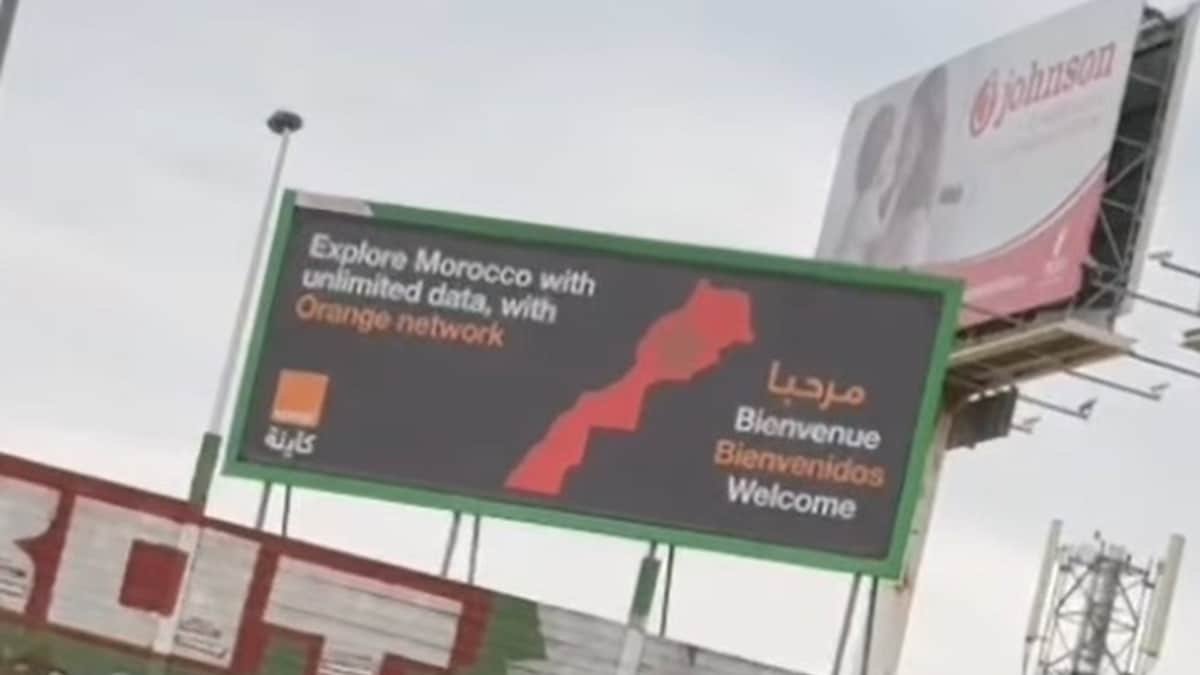
Recently, a massive billboard erected by French telecom giant Orange appeared alongside the AP-7 highway in Elche, within the province of Alicante, Spain. This route is a major artery to North Africa, heavily used in the summer by tourists and expatriates traveling to Morocco. The ad was intended to promote Orange’s phone roaming packages for these travelers.
Map Error Crosses Sovereignty “Red Line”
However, the commercial’s accompanying image made a grave political error. The map of Morocco used in the ad blatantly included Ceuta and Melilla—two autonomous cities in North Africa under Spanish sovereignty—within Morocco’s borders. The sovereignty of Ceuta and Melilla is a highly sensitive geopolitical issue between Spain and Morocco. Morocco has long-standing claims to these territories, and thus, any suggestion of a change in their status provokes a strong reaction in Spain.
Public Outcry and Urgent Corporate Response
Once exposed, the billboard quickly sparked outrage on Spanish social media and in the press. The public and media outlets condemned Orange for its disregard and violation of Spanish national sovereignty, criticizing the company for ignoring basic political knowledge and the host country’s sentiments for commercial gain. Facing overwhelming criticism, the company responded swiftly. According to Europa Press, Orange Morocco, the subsidiary responsible for the ad campaign, has publicly committed to removing the controversial billboard in Elche as quickly as possible.
Spanish Branch Urgently Distances Itself
Meanwhile, Orange’s Spanish branch (MasOrange) immediately issued a statement to distance itself from the incident. The statement emphasized that the advertising campaign was entirely planned, designed, and launched independently by the Orange Morocco team, with no involvement from the local Spanish team in any stage, including content approval. This political storm, sparked by a marketing blunder, ended with a hasty emergency removal of the billboard and serves as a cautionary tale for multinational corporations on the importance of respecting local history and political sensitivities in their localization efforts.
