Bizum: From Instant Transfers to Alternative Socializing
Bizum is Spain’s mainstream mobile instant transfer service, integrated with nearly all of the country’s local banking systems. Users only need the recipient’s phone number, without a complex International Bank Account Number (IBAN), to complete fund transfers in seconds. The service has a transfer limit set between €0.50 and €500 per transaction, and each transaction allows for a message, originally intended for clarifying the purpose of the transfer.
However, Spain’s younger generation is redefining this feature, transforming it from a purely financial tool into an unconventional social platform.
The €0.50 “Digital Love Letter”
Discussions on social media reveal that a growing number of young people in Spain are using Bizum’s message feature to flirt or even confess their feelings. By sending a symbolic, minimal amount like €0.50 or €1, they write invitations like “Let me buy you dinner” or other flirtatious messages in the note field, sending them directly to their person of interest.
This method is seen as a novel and creative way to show affection. It bypasses the social pressure of traditional dating apps and face-to-face confessions, turning a financial transaction into a “digital love letter” that conveys emotion.
Romantic Gesture or Harassment Loophole?
While some view this as a romantic, digital-age innovation, many others are pointing out a serious underlying problem: digital harassment. A key feature of Bizum makes it a potential tool for harassment—the mandatory nature of its notifications.
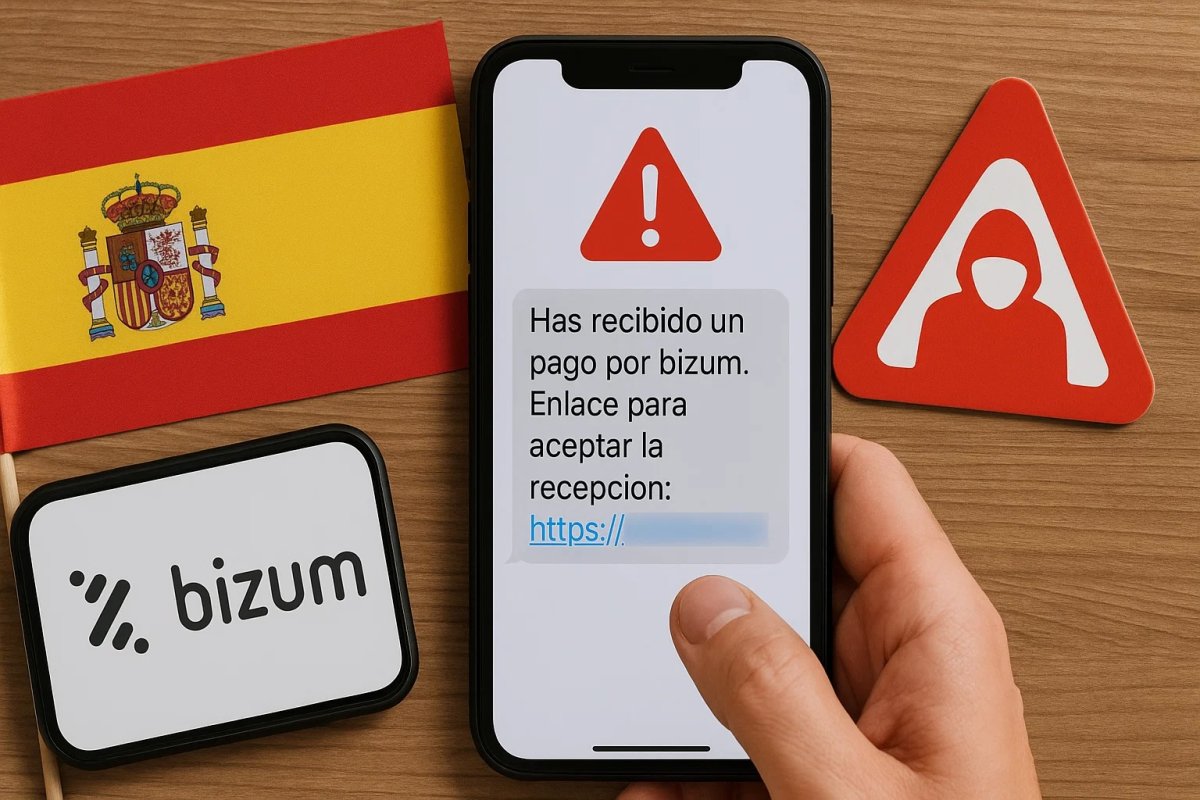
Even if a user blocks someone on WhatsApp, by phone, or on other social media platforms, as long as the harasser has their phone number, they can continue to send them money via Bizum. The attached message arrives as a bank transaction notification, pushed directly to the victim’s mobile banking app. Victims cannot block these messages in the same way they would block a standard text or social media message.
The Social Debate: Where Do Payment Tools Draw the Line?
This phenomenon has triggered a fierce social debate in Spain. The core of the argument is whether a payment tool should serve social functions and how platforms can prevent their features from being maliciously exploited. Critics argue that even with small amounts, repeatedly sending messages with persistent or unwelcome content constitutes real distress and harassment for the recipient.
This incident has prompted the public to re-examine the challenges posed by the blurring boundaries between different app functions in the digital age, and to discuss the responsibilities fintech platforms should bear in protecting users from harassment.
