Introduction: Rethinking the “Triangle” on Plastic Packaging
In our daily lives, the triangle symbol and the number inside it on plastic packaging are ubiquitous. However, many people mistake it for a “reusability” mark. In reality, this symbol, composed of three arrows, is a Resin Identification Code (RIC), and its primary function is to help the recycling industry sort different types of plastics. Each number from 1 to 7 corresponds to a different plastic material with unique properties and safe-use scenarios, meaning they cannot be indiscriminately reused for food or drinks.
—
1. The Seven Types of Plastic Explained: From Water Bottles to Food Containers
Understanding what each number represents is the first step to using plastic products safely.
## #1: PET/PETE (Polyethylene Terephthalate)
Commonly found in water bottles and carbonated drink bottles. This material is lightweight and inexpensive but is typically designed for single use. Prolonged reuse or exposure to high temperatures may cause it to release harmful substances.
## #2: HDPE (High-Density Polyethylene)
Often used for milk jugs, juice bottles, and detergent containers. HDPE is durable, chemically stable, and considered one of the safer plastics, with a high recycling value.
## #3: PVC (Polyvinyl Chloride)
Widely used for pipes, hoses, and some non-food packaging. Because its production may involve various additives like plasticizers and it can break down when heated, it is not recommended for food or beverage containers.
## #4: LDPE (Low-Density Polyethylene)
Common in plastic wrap, plastic bags, and some flexible packaging. It is not very heat-resistant and can melt at high temperatures.
## #5: PP (Polypropylene)
This is the only plastic generally considered microwave-safe, commonly used for reusable food containers, storage boxes, and cups. Despite its good heat resistance, consumers should always check if the product is explicitly labeled as “food-safe” and “reusable.”
## #6: PS (Polystyrene)
Available in both rigid and foamed forms, it’s often found in disposable food containers, yogurt cups, and packing foam. It does not withstand high temperatures or strong acids and alkalis, so you should avoid using it for hot food or acidic drinks.
## #7: OTHER (Other Plastics)
This is a catch-all category that includes all plastics other than the first six, such as polycarbonate (PC) and ABS. Due to their complex composition, their safety and recyclability vary greatly, so consumers should pay close attention to product instructions.
2. Tighter EU Regulations: A Revolution in Packaging Labels
To enhance the management of plastic waste, the European Union is advancing stricter packaging regulations. Under the framework of the EU’s Regulation on Packaging and Packaging Waste, a series of changes are on the horizon.
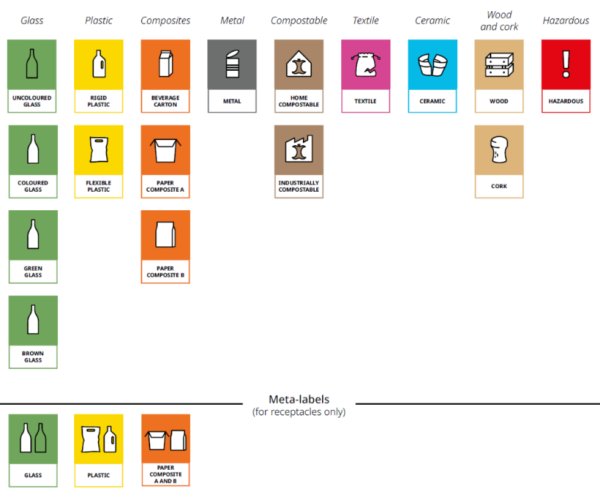
First, the European Commission has set a clear target: by 2030, all packaging placed on the EU market must be recyclable. This means manufacturers must consider the environmental performance of packaging from the design stage.
Second, to help consumers sort waste correctly, the new regulation mandates the gradual adoption of a harmonized labeling system. According to the plan, starting from August 12, 2028, packaging within a specific scope will begin to use new, unified labels that clearly indicate their material composition and the correct disposal method.
3. Consumer Guide: How to Choose and Handle Plastic Products Correctly
Faced with a wide variety of plastic products and upcoming new rules, consumers should adopt new habits:
- Focus on Use, Not Just the Number: Don’t judge a container’s reusability solely by the number inside the triangle, especially when it comes to food.
- Look for Clear Labels: Prioritize products clearly marked as “food-safe,” “reusable,” or “microwave-safe.”
- Follow Sorting Rules: Understand and adhere to your local waste sorting requirements, placing different types of plastic packaging in the correct recycling bins.
- Avoid High Heat and Greasy Foods: Unless specified otherwise, avoid using regular plastic containers for hot food, hot drinks, or oily foods to prevent the migration of harmful substances.
