Introduction: It’s About Safety, Not Appearance
The question of whether you can be fined for a dirty car is a common one. In some countries, like the United Arab Emirates, vehicle cleanliness is tied to public image, with specific fines in place. Spain, however, takes a different approach. Its traffic regulations don’t penalize a car simply for being dirty; instead, the focus is on whether the grime creates a safety risk or prevents proper vehicle identification.
Spanish Regulations: Safety and Identification are Key
The regulations from Spain’s General Directorate of Traffic (DGT) are primarily focused on ensuring road safety. Consequently, fines related to vehicle cleanliness center on two main concerns: the driver’s field of vision and the vehicle’s visibility and identification.
Impeding Vision: Fines Up to €200
By law, if the accumulation of dirt on the front/rear windshields, side windows, or mirrors is significant enough to obstruct the driver’s clear view of the road, the police can issue a fine. This is considered a safety violation, with penalties ranging from €80 to €200.
Obscured License Plate: A €200 Fine
The law mandates that license plates must be clean and fully legible at all times, and this is a major point of enforcement. If your license plate is unreadable due to mud, dust, or other grime, you can expect a €200 fine. The reason isn’t aesthetics; it’s because an obscured plate interferes with traffic cameras and makes it difficult to identify a vehicle in case of an incident.
Willful Obstruction: The Harshest Penalty
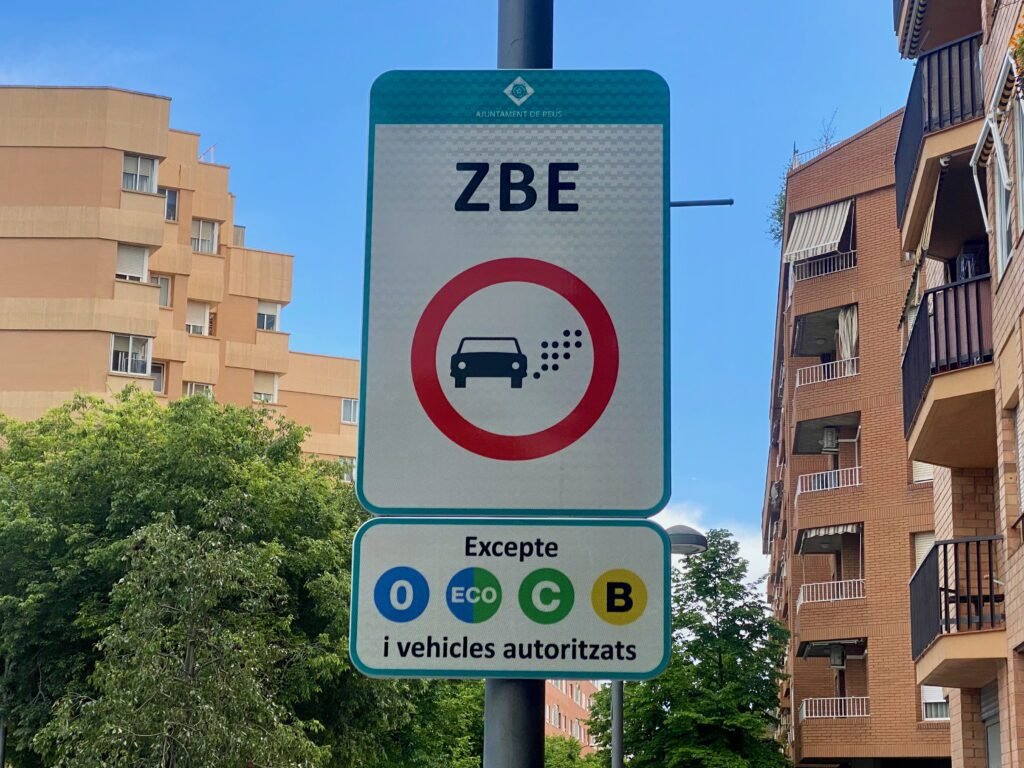
The law makes a clear distinction between a license plate that’s dirty due to neglect and one that has been deliberately obscured. If an officer believes you have intentionally manipulated, covered, or used any device to make your license plate unreadable, the consequences are severe. This is classified as a major infraction, resulting in a hefty €6,000 fine and the loss of 6 points from your driving license.
A Comparative Look: The UAE’s Strict Urban Appearance Laws
In contrast to Spain’s safety-oriented approach, countries like the United Arab Emirates treat vehicle cleanliness as part of urban management. In Abu Dhabi, for instance, an overly dirty car is deemed to detract from the city’s appearance, leading to a fine of 500 AED (around €130) for a first offense. Repeated violations can double the fine and may result in the vehicle being impounded. Similarly, in Dubai, dirty cars left parked for extended periods are towed after a warning notice. Washing your car in a public space is also prohibited due to environmental concerns, with fines reaching up to €370. These rules underscore the differing philosophies in traffic and urban management between the two nations.
