Key New Rules: Age, Helmets, and Reflective Gear
According to the latest amendment to the General Traffic Regulations (Reglamento General de Circulación) published by the Spanish government, traffic rules for Personal Mobility Vehicles (VMPs) will be tightened nationwide starting this October 1. The key changes include:
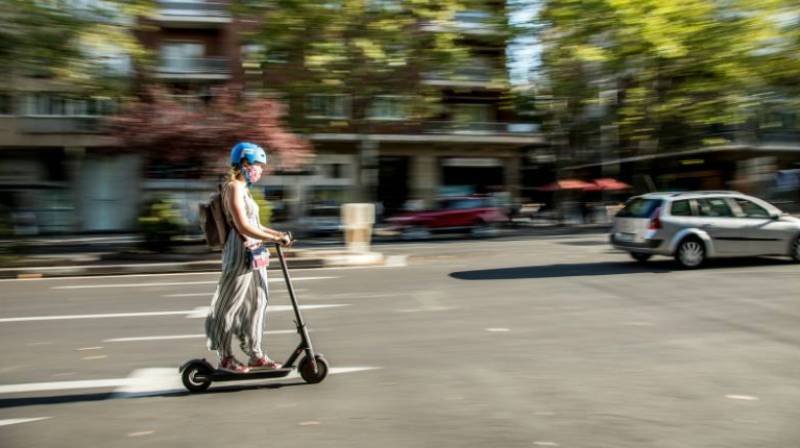
- Minimum Riding Age: The minimum age for riding an electric scooter has been set at 15 years old. This means minors under 15 are prohibited from using these vehicles on public roads.
- Mandatory Helmets: All electric scooter riders must wear a certified protective helmet, regardless of the road or time of day.
- Reflective Gear Requirement: When riding at night, in tunnels, or in low-visibility conditions, riders must wear a reflective vest or other effective reflective elements. For professional riders, such as delivery workers, this requirement applies during all working hours.
Penalties and VMP Definition
Spain’s General Directorate of Traffic (DGT) has specified that violating the aforementioned helmet and reflective gear rules will be classified as a ‘serious traffic offense’ (infracción grave). Violators will face fines of up to €200. This regulatory update aims to enhance the protection of ‘vulnerable road users,’ including electric scooter riders.
As defined by the DGT, a Personal Mobility Vehicle (VMP) is a vehicle powered by electricity, typically for a single user, with a maximum design speed between 6 and 25 km/h. Users should verify if their device falls into this category when purchasing and using it.
Future Regulations and Impact on Other Vehicles
It is worth noting that not all new regulations will be implemented simultaneously on October 1. The rule initially planned to require electric scooters to have their ‘lights on at all times’ has been postponed and will now take effect on October 1, 2027, allowing owners and manufacturers ample preparation time.
Furthermore, this regulatory update also introduces new requirements for drivers of other vehicles. For example, motorcyclists must wear protective gloves when riding on intercity roads and fully enclosed footwear on all roads. These measures collectively form Spain’s new blueprint for improving overall road safety.
Registration, Insurance, and Local Differences
In addition to the above regulations, Spain is gradually implementing a mandatory registration and insurance system for electric scooters. The DGT has already opened the VMP registration system, and vehicles that meet technical standards must be registered to obtain official identification information. This indicates that the management of electric scooters will become more standardized in the future.
Users should pay special attention to the fact that, besides adhering to national laws, they must also follow the local traffic ordinances of their city. For instance, in large cities like Madrid, there may be more detailed restricted zones or parking regulations. Therefore, it is advisable for users to thoroughly understand and comply with both national and local rules before riding to ensure they are on the road legally and to avoid unnecessary financial penalties.
