New Bill Proposes Significant Reduction in Alcohol Limit
According to a report on September 7, 2026, a traffic law amendment aimed at enhancing road safety in Spain has been resubmitted to Congress for deliberation. The core of the bill is a significant reduction in the legal alcohol limit for drivers.
Specifically, the proposal aims to lower the blood alcohol concentration (BAC) limit for general drivers from the current 0.5 grams per liter to 0.2 g/L. Simultaneously, the breath alcohol concentration (BrAC) limit would be reduced from 0.25 milligrams per liter of exhaled air to 0.1 mg/L. If this amendment is approved, it would mean a driver could exceed the legal limit after consuming just one small beer.
Officials: Aiming to Raise Public Safety Awareness
Spain’s Minister of the Interior, Fernando Grande-Marlaska, has publicly stated that this measure is a cautionary policy. Its purpose is to send a clear message to society: driving under the influence of any amount of alcohol is extremely dangerous.
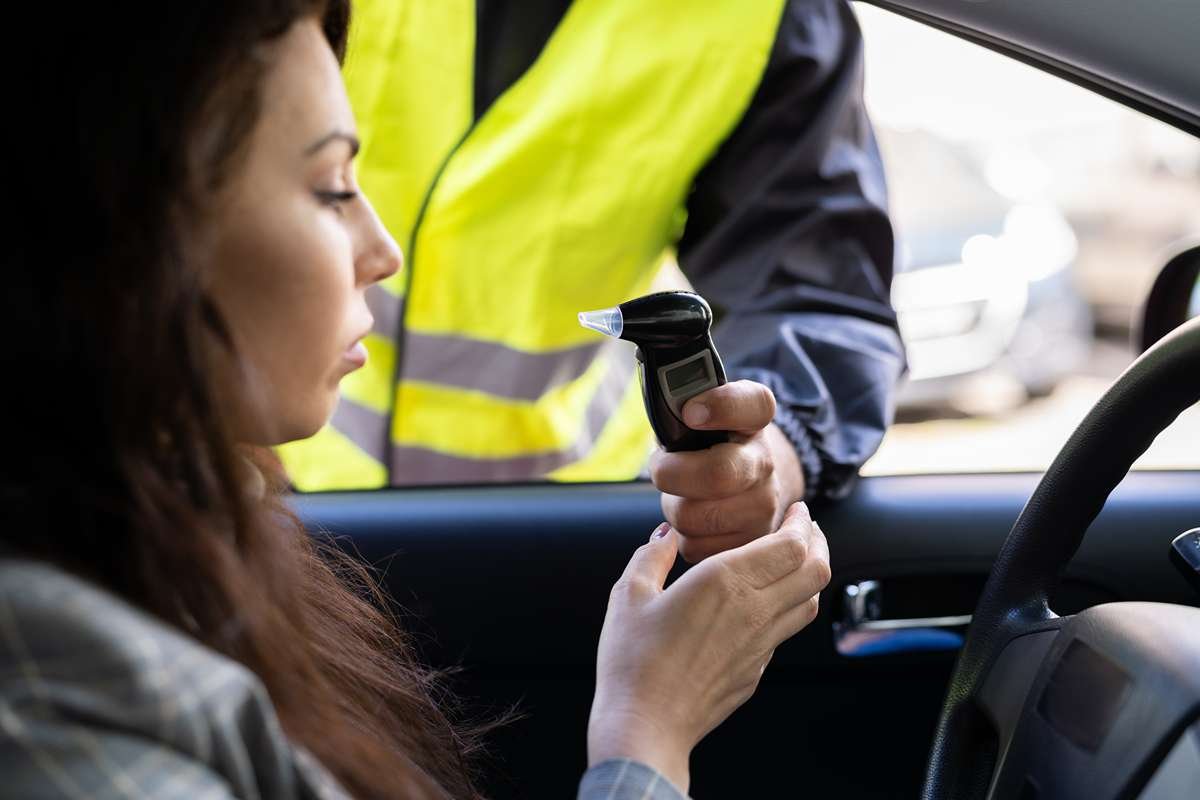
Official data reveals that road safety remains a serious concern. This summer alone (2026), 240 people died in traffic accidents in Spain, with about one-third of the victims testing positive for alcohol. A study by Spain’s General Directorate of Traffic (DGT) also indicates that over 5% of drivers operate vehicles with alcohol in their system, and alcohol is a contributing factor in at least one-third of fatal accidents. Alcohol consumption significantly impairs a driver’s reaction time and perception of their surroundings, thereby greatly increasing accident risk.
Public Reaction and Calls for “Zero Tolerance”
The proposal has received positive feedback from several road safety organizations. Mario Arnaldo, president of the Associated European Motorists (AEA), emphasized that driving is an inherently high-risk activity that demands the driver’s utmost attention and optimal physical and mental condition. Therefore, they support a “zero-tolerance” stance on drunk driving.
Members of the public have also expressed support for stricter regulations. One interviewee believes the new standard would eliminate the ’it won’t happen to me’ mentality about drunk driving. Others point out that drunk driving not only endangers the driver but also poses a threat to the lives of other innocent people on the road. One citizen commented, “If I have to drive, I choose not to drink at all at parties. Enjoying a social event doesn’t depend on alcohol.”
Bill’s Future: Previously Rejected, Path Ahead Uncertain
It is important to note that this stricter drunk driving standard has not yet become law. A few months ago, an identical legislative amendment was rejected during congressional review. Proponents have now resubmitted it, hoping to garner enough support to pass.
The ultimate fate of the bill hinges on the vote in Congress, and whether it will become law remains uncertain.
