International Oil Prices Surge: Middle East Conflict a Key Driver
This Wednesday, international oil prices hit a new high, primarily driven by the escalating geopolitical situation in the Middle East. Increased military conflict between the US and Iran has intensified deep concerns over the security of crude oil transport through the Strait of Hormuz. This strait, one of the world’s most critical energy arteries, currently sees a daily transit of about 10 million barrels of crude oil, only half of its pre-conflict levels.
As a result, the price of West Texas Intermediate (WTI) crude has climbed to around $95 per barrel, a cumulative increase of approximately 41% since the conflict began. Financial institutions like Goldman Sachs have raised their oil price forecasts, warning that prices could return to the $120 per barrel mark if attacks on maritime transport continue.
Tight Supply of Refined Products Exacerbates the Rise
Compared to crude oil, prices for refined products like diesel and gasoline have risen even more sharply. Market analysis suggests that multiple factors have contributed to the tight supply of refined products, including reduced output from Russian refineries due to sanctions and shutdowns, a general decline in global refining activity, and global inventories of refined products falling to near-low levels. These factors have collectively pushed refined product prices to historic highs.
Pressure on the Spanish Market: Fuel Prices Hit New Highs
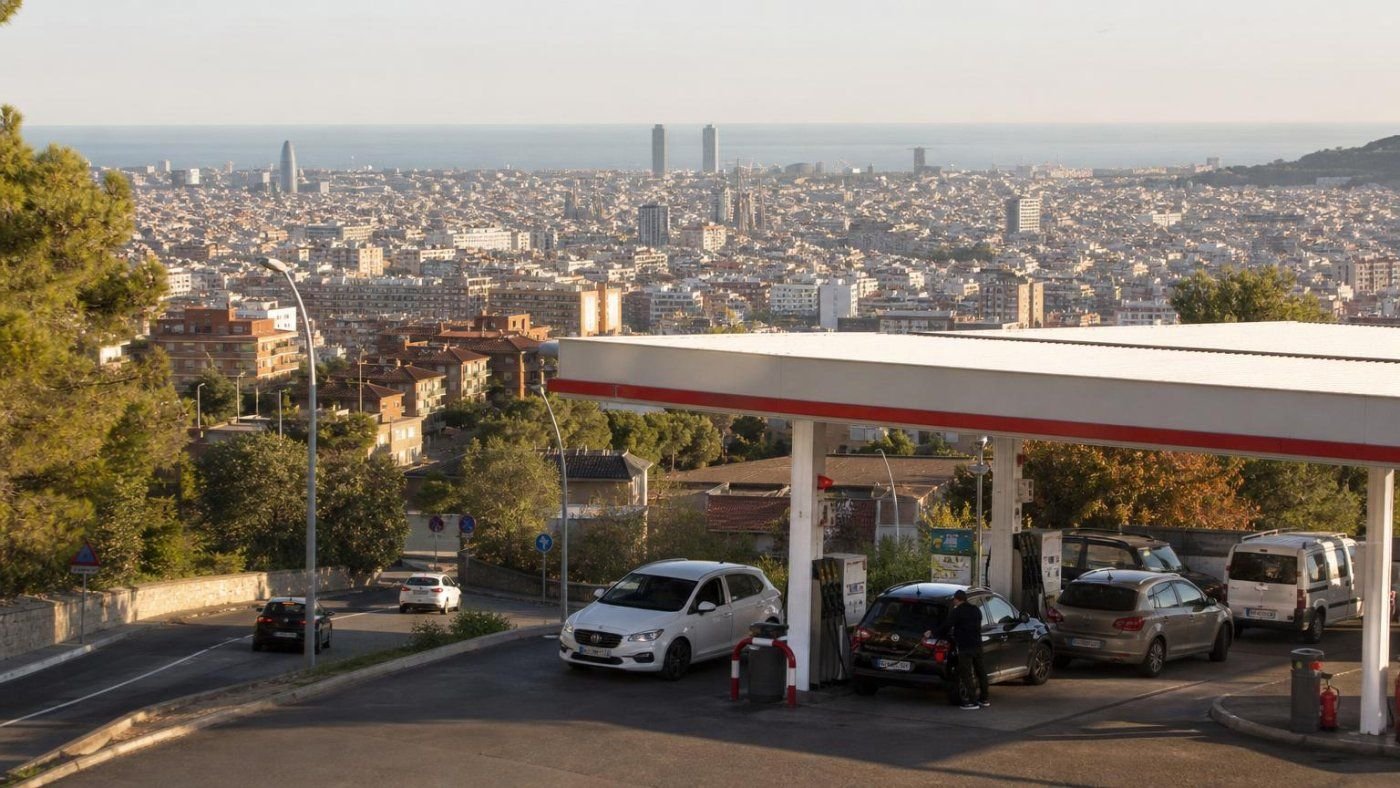
Spanish consumers are now directly feeling the pressure from this price surge. According to the latest data, the average price of diesel in Spain has surpassed €1.9 per liter, while gasoline is approaching €1.8 per liter. Since the beginning of this summer, the prices of both major fuels have increased by over 25%.
Notably, analysis indicates that the rise in Spanish fuel prices is not solely determined by the international situation. Over the past few months, the refining and sales profit margins of oil companies have expanded significantly, with estimates suggesting this profit growth accounts for nearly one-third of the increase in final fuel prices.
Economic Outlook: Inflation Concerns Resurface
The sustained high level of energy prices has once again triggered widespread concerns about inflation in Europe. Rising fuel costs are comprehensively driving up expenses in transportation, industrial production, and daily life for residents. The European Central Bank is closely monitoring oil price trends and their potential impact on the overall price level. If current international oil prices remain high, Spanish households’ transportation costs, corporate logistics expenses, and the overall price level are expected to face further upward pressure.
