A study published in the Spanish Journal of Otolaryngology reports a clear downward trend in the overall mortality rate for laryngeal cancer in Spain over the 25-year period from 1999 to 2023. The research, which analyzed over 36,000 deaths nationwide, found a close correlation between the disease’s trajectory and changes in public exposure to major risk factors like tobacco and alcohol.
Sharp Decline in Male Mortality Highlights Success of Tobacco Control
During the study period, men accounted for a staggering 94% of laryngeal cancer deaths in Spain, but they also experienced the most significant drop in mortality. Data shows the standardized mortality rate for men fell sharply from 12.10 cases per 100,000 people in 1999 to 4.76 in 2023, an overall reduction of over 60%.
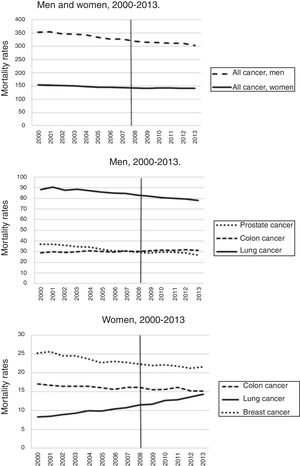
Particularly noteworthy is the average annual mortality decline of 11% among men under 50. Experts attribute this positive shift primarily to effective control of smoking rates among younger generations, coupled with continuous advancements in diagnostic techniques and treatment methods, contributing to this major public health achievement.
Evolving Risk for Women: A Rise in Older Age Groups
In stark contrast to the positive trend in men, the evolution of laryngeal cancer mortality in women is more complex. Although mortality rates for women under 50 decreased by an average of 7.2% annually, rates for those aged 55 and over have shown a continuous upward trend.
Researchers explain this phenomenon is linked to socio-historical factors. The trend of smoking among women in Spain emerged later than in men, creating a ‘lag effect’ for tobacco-related carcinogenesis. The health consequences are now manifesting decades later in today’s older female population, presenting a unique public health challenge.
Experts Urge: Vigilance for Early Symptoms and Continued Intervention
Given the severity of laryngeal cancer, medical experts re-emphasize the importance of early detection. Persistent hoarseness, difficulty or pain when swallowing, and unexplained lumps in the neck are all early warning signs that require high alert.
Timely diagnosis and treatment not only significantly increase a patient’s five-year survival rate but can also preserve crucial physiological functions like speech and swallowing, thereby safeguarding their quality of life. Therefore, regardless of mortality trends, cancer prevention strategies centered on tobacco control remain a health intervention that society must persistently and rigorously uphold.
