Surge in E-Scooter Ownership Prompts Strict New Ban
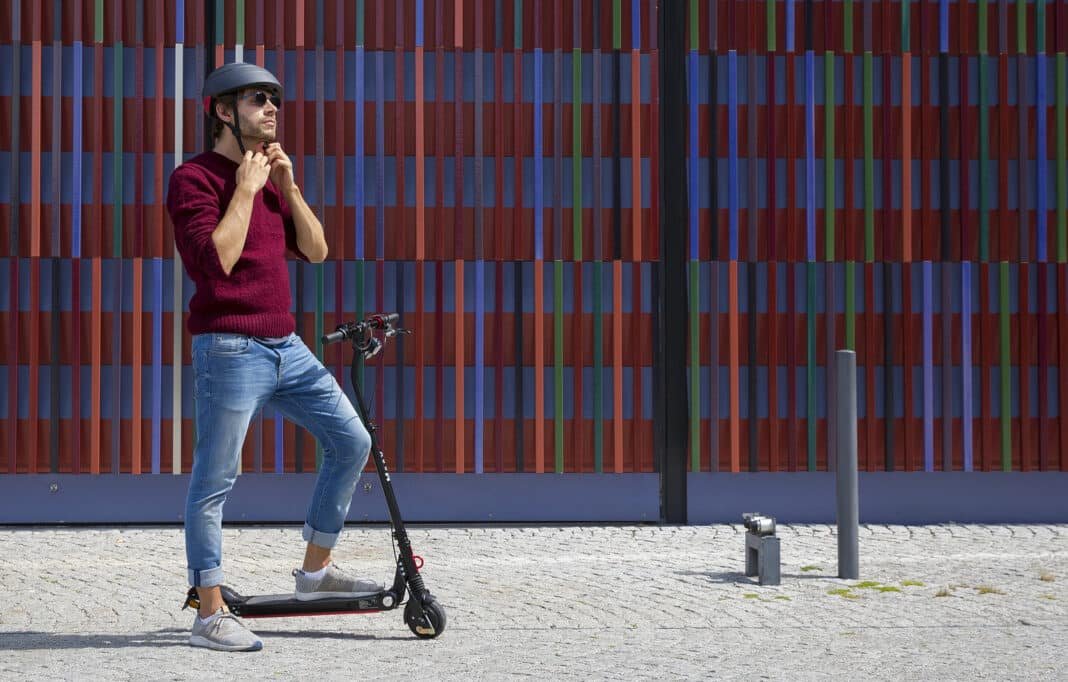
In recent years, electric scooters have rapidly gained popularity in major Spanish cities as a micro-mobility alternative to traditional motor vehicles. Statistics show that the number of Personal Mobility Vehicles (VMPs) in Spain has now surpassed 5 million. To regulate road safety for this large group, the Spanish government has enacted Law 5/2025, reshaping the regulatory landscape for e-scooters. The law’s core provision states that all e-scooters manufactured before January 22, 2024, and lacking official technical certification will officially lose their right to be used on public roads from January 22, 2027.
Official DGT Certification Becomes the Only Legal Pass
The General Directorate of Traffic (DGT) now enforces strict classification for e-scooters on the market. According to the DGT’s VMP Characteristics Manual, compliant vehicles must pass tests in authorized laboratories to ensure they meet minimum safety standards for quality, durability, and damage resistance. Since January 22, 2024, all new e-scooters sold in Spain are required to obtain type-approval (homologación) before being marketed and must feature a dedicated identification plate in a visible location, displaying certification details and a serial number. Older models purchased before this date are being phased out as they cannot guarantee the same level of technical safety.
Mandatory Requirements for the Transition Period: Registration and High-Coverage Insurance
For uncertified vehicles facing the upcoming ban, transport authorities have established a transition period until January 2027. During this phase, owners of older e-scooters who wish to continue using them legally must comply with two mandatory obligations.
First, owners must register their uncertified vehicles in the DGT’s public registry. This can be done in person by scheduling an appointment at any provincial traffic office or online via the DGT’s electronic administration platform. The standard administrative fee for this process is €8.67.
Second, owners must purchase specific civil liability insurance for their registered vehicle. While annual premiums are set by private insurance companies at market rates, the law imposes strict minimum coverage limits: for personal injury, the maximum compensation per incident must not be less than €6.45 million (regardless of the number of victims); for property damage, the maximum compensation per incident must be at least €1.3 million. This measure aims to ensure that victims receive adequate financial compensation in the event of a traffic accident.
