Lately, there have been more and more posts on forums about studying in Spain, and I’ve noticed many prospective students asking about the Polytechnic University of Catalonia, or UPC as we usually call it. For those wanting to study architecture, it’s almost always the top choice. I’ve been studying here for a few years, so I’m a bit of a veteran. I’d like to share what UPC is really like to give future students a reference.
What Makes UPC So Great?
Its reputation is truly outstanding. Fully named Universitat Politècnica de Catalunya, it’s a top-tier institution in Spain and even across Europe for science and engineering, especially in architecture, civil engineering, and computer science. If you’re aiming for architecture, its Barcelona School of Architecture (ETSAB) is a legendary institution—it’s no wonder people look up the QS ranking for architecture at the Polytechnic University of Catalonia. It has a rich history and has produced numerous masters—Gaudí himself was an alumnus! The academic atmosphere you experience daily, combined with the city’s inherent artistic flair, is an experience you can’t get anywhere else.
However, It’s Tougher Than It Looks
After all the praise, I have to be realistic. UPC is notorious for being “easy to get into but hard to graduate from”; the graduation rate is genuinely low. The curriculum is incredibly demanding, with one project and assignment after another. Pulling all-nighters to finish drawings is the norm. Professors have extremely high standards and are very strict with grading. I’ve seen classmates transfer or drop out due to overwhelming stress or failing too many courses. So, do not come here with the intention of just slacking off, or you’ll seriously start to question your life choices. This university is for dedicated, resilient, and strong self-learners who are truly passionate about their field.
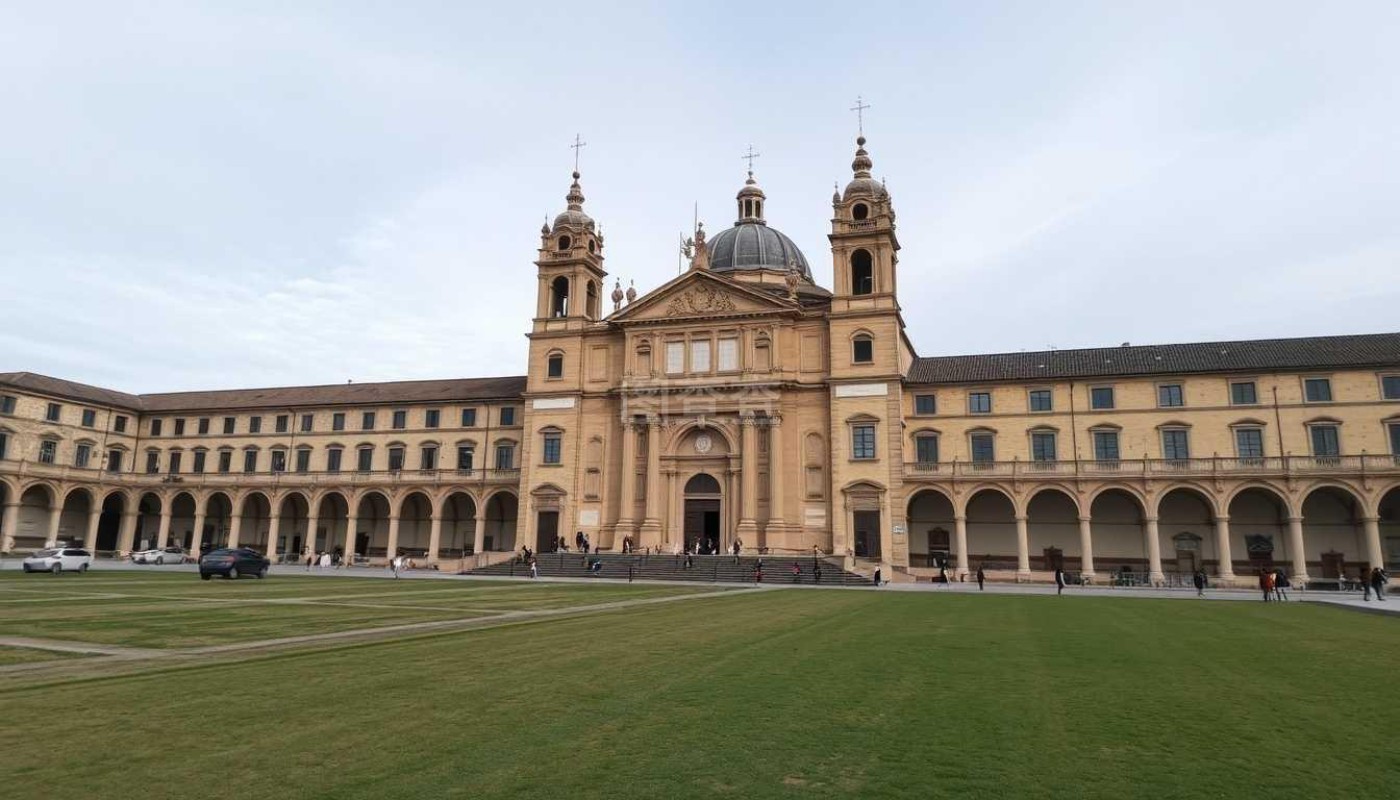
That said, no matter how tough the studies get, life in Barcelona is the perfect remedy. The campus environment itself is lovely, and the entire city is a massive architectural museum. In your free time, wandering through the Gothic Quarter or admiring Gaudí’s buildings provides an endless stream of inspiration. This kind of immersive learning experience is something textbooks simply can’t offer.
A Look at Living Costs
When it comes to daily life, the biggest concern is always expenses. Barcelona is a major city in Spain, so it’s not cheap, but it’s still more affordable than other major European metropolises. Here’s a simple table for reference, though of course, this varies from person to person:
| Item | Approximate Cost |
|---|
| Shared Flat Rent | 350 - 550€ |
| Food / Groceries | 200 - 300€ |
| Monthly Transport Pass | Approx. 20€ |
| Miscellaneous | 100 - 150€ |
| Total | Approx. 700 - 1150€ |
Cooking your own meals will definitely save you a lot of money.
UPC is a top-tier polytechnic university where you can gain real, valuable skills. For architecture students, in particular, it’s a platform to achieve your dreams. But it’s also a school that demands you conquer it with sweat and hard work, not sleep-ins. Before you choose, be absolutely sure you are ready for the challenge. I hope my sharing has been helpful, and I welcome current students and alumni to add their thoughts and join the discussion!
