Several teachers’ unions in the Community of Madrid, along with a public education platform, have formed a unified strike committee and announced plans for an indefinite strike starting October 14, 2026. The strike will affect all non-university public educational institutions in the region, including preschools, primary schools, middle schools, high schools, and vocational training centers. The strike committee is currently preparing to formally submit the strike notice, while the Community of Madrid’s Department of Education has not yet publicly responded to the demands.
Core Demands: Salary and Workload
The full list of demands, to be finalized after discussion and revision in teacher assemblies, centers on ensuring professional dignity for teachers and improving the quality of public education. In terms of compensation, the strike organizers are demanding a €600 monthly increase to the general specific supplement for the region’s teachers. They also aim to reduce the salary gap between different teaching positions, particularly for those in vocational training, community services, and special education.
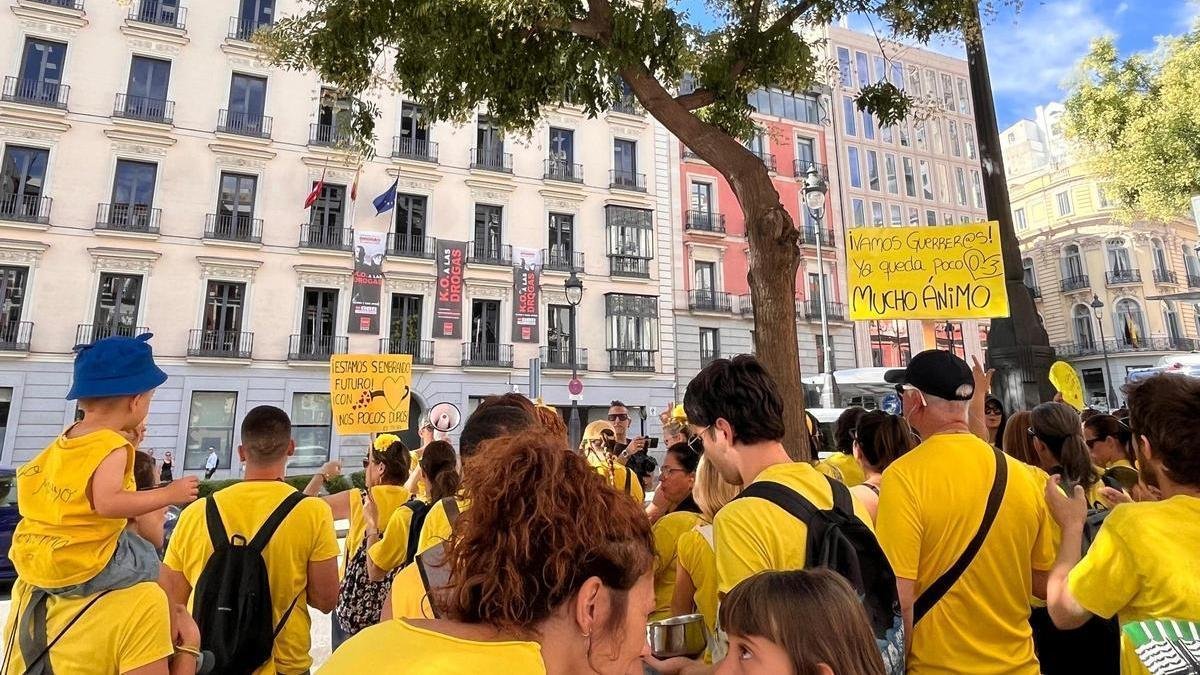
Regarding workload, the unions demand a return to pre-pandemic teaching hour standards: a maximum of 17 teaching periods per week for secondary and vocational education teachers, and a maximum of 22 for primary school teachers. Furthermore, they are calling for non-teaching duties such as homeroom supervision, department management, and instructional coordination to be formally recognized within the teachers’ workload.
Learning Environment: Class Sizes and Support Staff
Improving the learning environment is another major focus of the strike. Teachers are demanding a comprehensive reduction in maximum class sizes, with the following specific limits:
- Preschool Education: Maximum of 13 students per class
- Primary Education: Maximum of 15 students per class
- Secondary Education: Maximum of 20 students per class
- High School (Bachillerato): Maximum of 23 students per class
- Vocational Training: Maximum of 15 students per class
For classes that include students with special educational needs, the strikers demand even lower and more specific student-to-teacher ratios. They also call for an increase in support staff, ensuring at least one educational counselor for every 250 students and a dedicated social service professional in every school.
Other Reform Demands and Potential Impact
In addition to these core demands, teachers have proposed a series of reforms aimed at overhauling the education system. These include implementing effective measures to combat ‘educational segregation’ caused by unequal resource distribution, streamlining administrative paperwork to reduce bureaucracy, improving school infrastructure, and strengthening occupational hazard prevention.
As the strike has no set end date, its ‘indefinite’ nature casts significant uncertainty over the upcoming school year. If the Community of Madrid’s government and teacher representatives cannot reach an agreement on the core demands by October 14, tens of thousands of families will face challenges with childcare and disrupted education, and the entire regional public education system will face a severe test.
