Introducing Portable Speed Testing Equipment to Enhance Street Enforcement
To implement this traffic crackdown, the municipal authorities of Lleida launched a specific bidding process, investing a total of 10,000 euros to purchase new testing equipment and provide technical training for frontline police officers. During specific street inspections, law enforcement officers will lay this portable roller-equipped device flat on the road, then place the wheels of the inspected e-scooter onto the roller track and gradually accelerate. The instrument can accurately capture the vehicle’s top speed data, thereby determining whether the factory-set speed limiter module has been artificially bypassed. It is reported that such dynamometers were first successfully developed in Catarroja, Valencia region, and are currently used in daily law enforcement in several Spanish cities, including Valencia and Huesca.
Frequent Speeding Violations Prompt Regulatory Upgrades
The strict control over personal mobility vehicles is not without basis. Cristina Moron, the Deputy Mayor of Lleida, pointed out that frontline patrol police have noticed a large number of personal mobility vehicle users, especially among the younger demographic, frequently riding illegally modified e-scooters at high speeds through the urban area. There was even an extreme case previously: an e-scooter triggered a motor vehicle speed radar while passing through Les Garrigues avenue, and its actual driving speed exceeded 55 km/h. This severe threat to public road safety directly prompted the local administration’s decision to proactively introduce precision testing equipment.
Designating Key Inspection Areas and New Registration Regulations
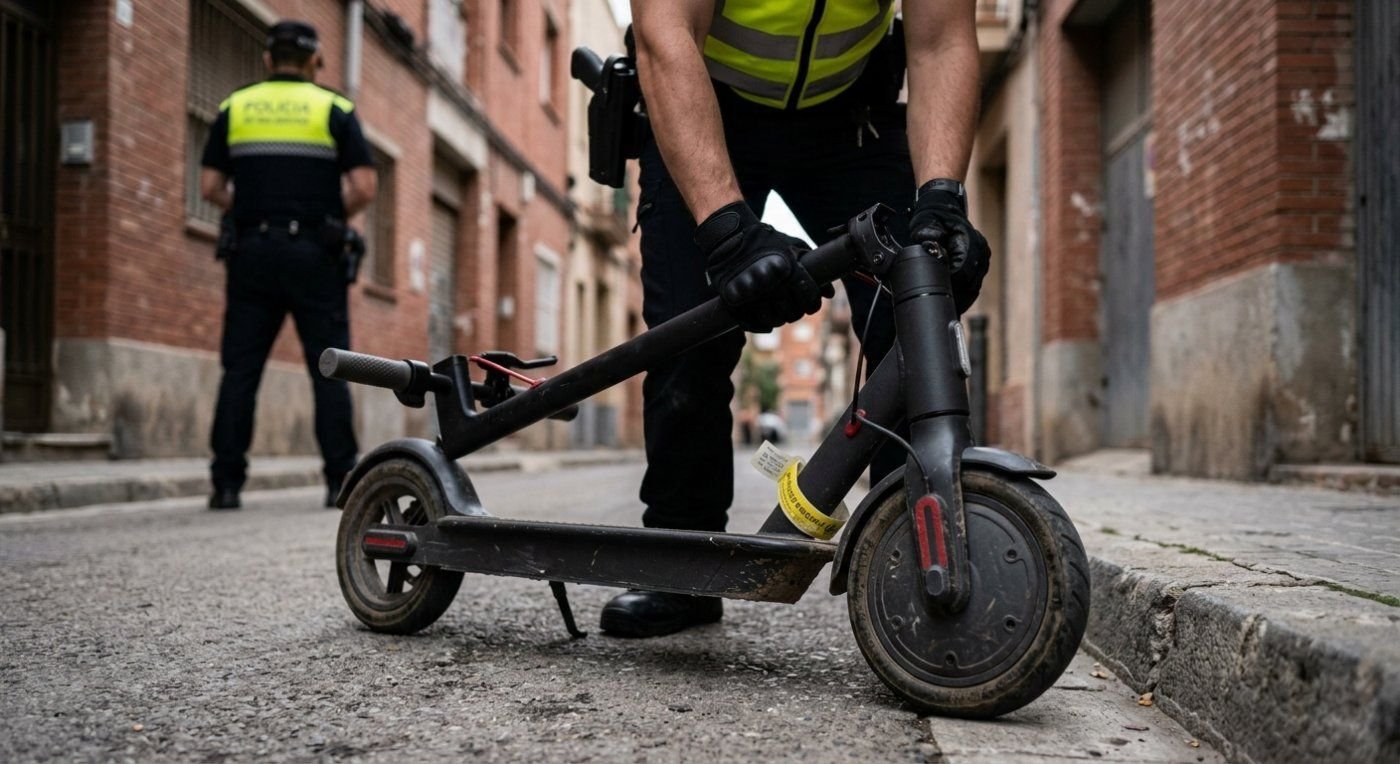
In the next phase of deployment, the Lleida police will focus on areas with high e-scooter traffic and frequent violations as core enforcement grids. The Mariola neighborhood and the central commercial district will face intense random spot checks and targeted interceptions. Once on-site tests confirm that the power performance of the inspected vehicle exceeds the legal standard for standard personal mobility vehicles (a maximum speed of 25 km/h), the rider will face a maximum fine of 500 euros, and the illegal vehicle will be immediately confiscated to prevent it from returning to the road.
In addition, the legal threshold for personal mobility vehicles to hit the road is comprehensively increasing nationwide. According to Spanish Law 5/2025, which officially took effect on January 30, all personal mobility vehicles must complete real-name registration procedures. This means that e-scooters not yet entered into the official registration system of the Spanish Directorate-General for Traffic (DGT) have currently also lost their legal qualification to be driven on the road.
