Recently, the Spanish government officially submitted the draft of its National Nature Restoration Plan to the European Commission. This ambitious ecological policy aims to implement the newly introduced EU Nature Restoration Law in a legally binding manner. The proposal not only sets specific tree-planting targets but also encompasses systematic interventions and the protection of various complex ecosystems.
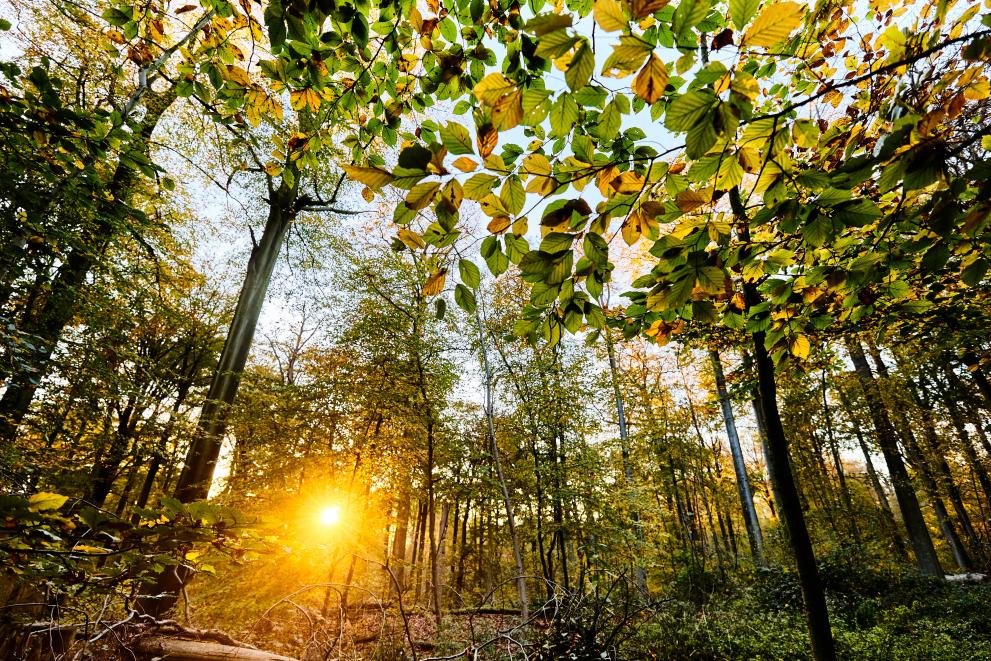
Large-Scale Forestry and Degraded Habitat Restoration
As a core component of the grand European strategy to “plant 3 billion trees by 2030,” Spain makes a solemn commitment in the draft: to plant 3.5 million trees across its territory by 2030. In addition to forestry expansion, the policy sets clear boundaries for species protection. Officials plan to comprehensively restore 9,475 square kilometers of “habitat types of community interest.” This move will directly improve the living conditions of nearly 200 priority species of wild flora and fauna, reversing the adverse trend of consecutive years of ecosystem degradation.
Promoting Urban Greening and Water System Management
The draft simultaneously extends its focus to densely populated cities and water resource networks. Addressing the environmental pressures brought by urbanization, relevant Spanish authorities plan to add over 200 square kilometers of urban green space coverage through specific planning by 2030, thereby enhancing the quality of public living environments.
Furthermore, regarding the vast natural ecological network, the plan will promote comprehensive management projects for marine ecosystems, naturally flowing water systems (such as free-flowing rivers), as well as traditional agricultural and forest ecosystems. This multi-dimensional habitat restoration strategy is viewed as a crucial safeguard for strengthening national climate resilience.
Facing Criticism from Environmental Groups and Subsequent Approval Process
Although relevant institutions emphasized upon releasing the draft that the drafting process involved multiple rounds of administrative coordination and incorporated extensive public feedback, the document has still faced strong skepticism from local climate advocacy groups.
Youth climate NGOs, including “Ecologists in Action” and “Fridays for Future,” issued joint statements condemning the government for not disclosing the full details of the document to the public, accusing it of a lack of transparency. Protesters also expressed concern over the specific measures regarding marine and river restoration outlined in the provisions, arguing that the envisioned regulation and enforcement are far from sufficient to tackle the severe environmental crisis.
According to legislative procedures, following the draft’s submission to the EU, the European Commission immediately initiated a comprehensive evaluation mechanism and will provide analytical feedback in the coming months. Administrative units at all levels in Spain must integrate EU guidance and domestic public opinion to continuously revise and refine the plan before September 1, 2027. Once the final version is approved, it will serve as the supreme policy foundation for Spain to fulfill EU ecological standards.
