According to unified EU regulations, Spain will officially welcome the annual winter time adjustment on Sunday, October 25, 2026. At 3:00 AM, the clocks will be turned back to 2:00 AM, giving the public an extra hour that night. Although discussions in Europe about abolishing the time change system have continued for years, this mechanism will remain in effect for now.
Specific Arrangements for the 2026 Winter Time Change
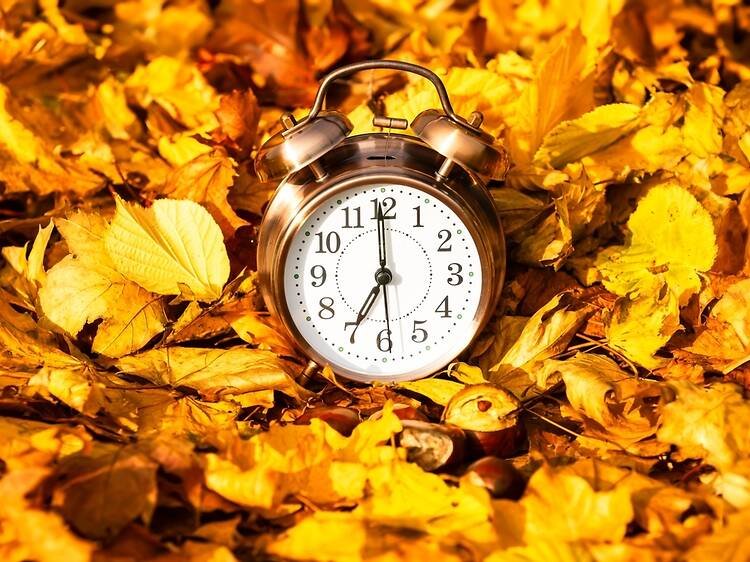
In accordance with unified European time conversion rules, Spain will implement its autumn time adjustment on Sunday, October 25, 2026, officially entering the winter time phase. Exactly at 3:00 AM that day, clocks across the country must be turned back 60 minutes to 2:00 AM. This operation increases the actual length of the night by one hour, marking Spain’s full transition into the autumn and winter daily routine.
Changes in Daylight Hours and Impact on Life
This time switch will directly alter the public’s daily daylight experience. After entering winter time, the morning sunrise will appear earlier on the clock, and the evening sunset will also be significantly advanced. Residents will noticeably feel that it gets dark faster in the afternoon, and overall daylight hours will seem significantly shorter. This winter time system will be maintained until March 2027, when the system will switch back to summer time.
Debates in the EU and Spain Regarding the Time Change System
Over the past few years, various sectors in Europe have engaged in fierce debates over whether to abolish the biannual time adjustment system. Dating back to 2018, the European Commission first proposed ending this seasonal time fluctuation, gaining initial support from the European Parliament in 2019. However, due to the difficulty of reaching a consensus among member states, related reforms have remained stagnant at the implementation level.
Spanish Prime Minister Pedro Sanchez has repeatedly called for a reassessment of canceling the time change. His main argument is that the energy-saving benefits gained from time adjustments in modern society are negligible; instead, this artificial time manipulation may bring potential negative effects to people’s biological clocks and overall health. Despite numerous controversies, the European Commission officially released the official schedule for regular time conversions from 2027 to 2031 in March 2026. This move indicates that, for at least the next five years, the seasonal alternation between winter and summer time will continue to be implemented as the legal official standard.
