According to the latest data released by the Spanish National Statistics Institute (INE), against the backdrop of the ongoing energy crisis, Spain’s inflation rate in August climbed to 4.3%, breaking the highest record in nearly three years. The sharp rise in fuel and electricity prices has become the core driver pushing up prices, widely affecting residents’ daily lives and service expenses.
Soaring Energy Prices Drive Up Overall Prices
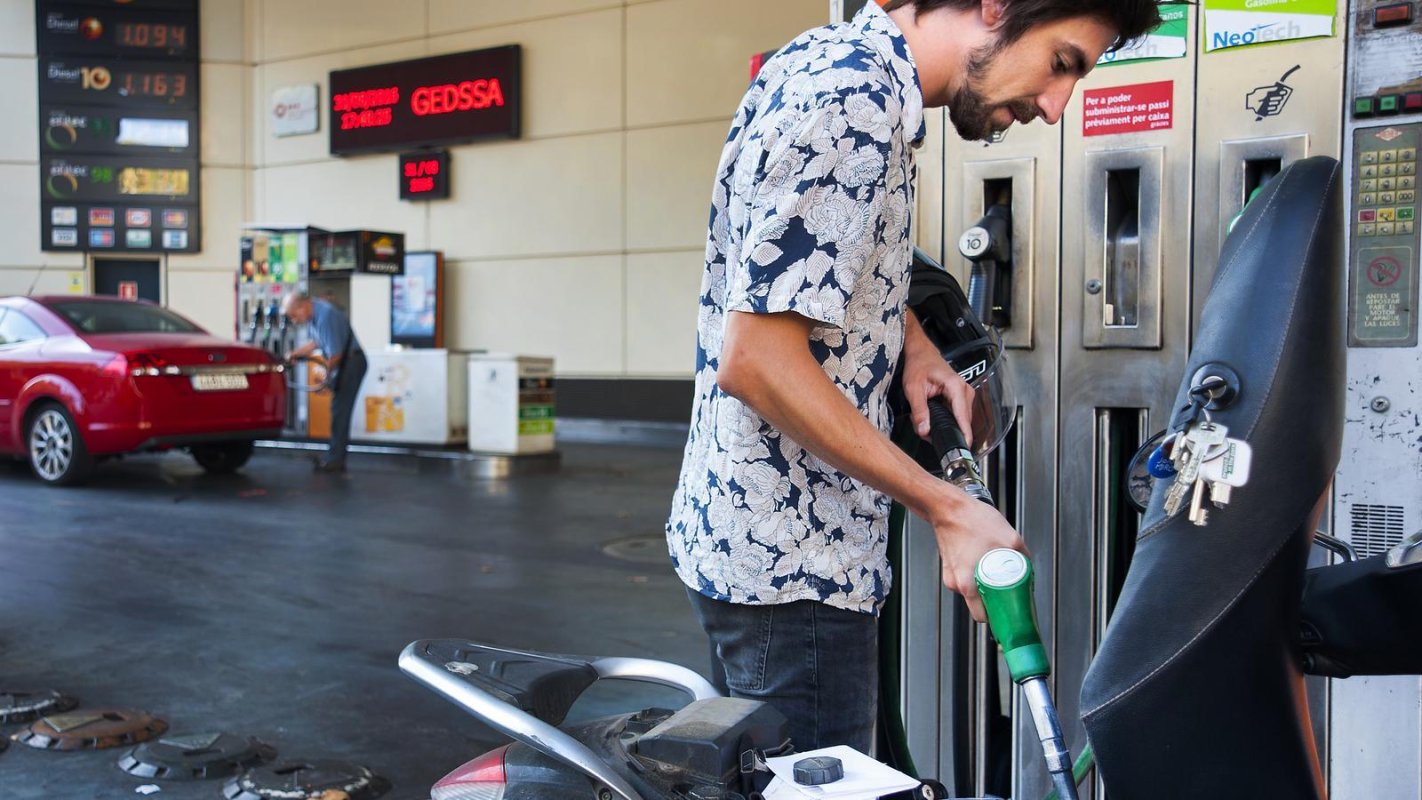
In August, the prices of energy products in Spain showed a significant upward trend. Among them, fuel prices surged by 24% in a single month, reaching a four-year high. Specifically, diesel prices skyrocketed by 30.3%, and gasoline prices increased by 16.9%. Household electricity costs also faced tremendous pressure, rising 9.2% year-on-year, while natural gas prices saw a 4.4% increase. Overall, the cumulative increase in Spain’s energy prices over the past year reached 16.9%, the largest single-year increase since September 2022.
Entering September, the upward trend in the fuel market has not stopped. According to the latest statistics, the price of 95-octane gasoline has climbed to 1.901 euros per liter, up another 12% compared to the same period in August; the price of diesel has reached 1.874 euros per liter. Adjustments to the government’s fuel subsidy policy - such as reducing the August gasoline and diesel discount from 15 euro cents to 10 euro cents per liter - have to some extent also made end consumers feel a more direct price shock.
Daily Consumption and Public Service Fees Rise Simultaneously
In addition to the drastic fluctuations in the energy sector, various daily goods and services have also experienced significant price hikes. Data shows that waste disposal fees surged by 22.7%, and medical insurance premiums rose by 8.9%. In terms of consumer goods, jewelry and watch prices soared by 24%, computers and tablet devices increased by 14.9%, and used car prices went up by 5.5%. Furthermore, the accommodation and catering industries were also affected, with hotel and apartment prices rising by 9.7%, and restaurant and cafe consumption increasing by 4.4%.
In the food sector, overall prices rose slightly by 2.3% year-on-year, but the trends of subdivided categories diverged severely. Green beans and eggs recorded high increases of 15.9% and 12.5% respectively, while fish prices rose by 7.8%. In contrast, the prices of coffee, grains, and chocolate saw declines ranging from 2.2% to 4.2%. Meanwhile, the core inflation rate, excluding energy and fresh food, slightly dropped to 2.9%.
Institutions Warn Inflation Risks Persist in Coming Months
Regarding future price trends, the economic research institution Funcas provided a rather cautious forecast. The institution pointed out that Spain’s inflation rate in September is highly likely to climb further to 4.9% and remain at a relatively high level of over 4% in the coming months.
According to Funcas’ macroeconomic calculations, Spain’s annual average inflation rate in 2026 is expected to reach 3.6%, and is not expected to fall back to 2.9% until the following year. Analysts warned that if geopolitical tensions in the Middle East persist or global supply chains face blockades, there are still undeniable upside risks for Spain’s food prices and imported inflation.
