Recently, fuel prices in the Alicante province of Spain have continued to climb, hitting a nearly four-year high. Currently, the local average price of 95 octane gasoline is approaching the 2-euro threshold, significantly increasing the year-on-year cost of filling up a tank. Under the dual pressure of rising national inflation and the impending expiration of fuel subsidies, residents are facing a severe economic test for their daily commutes.
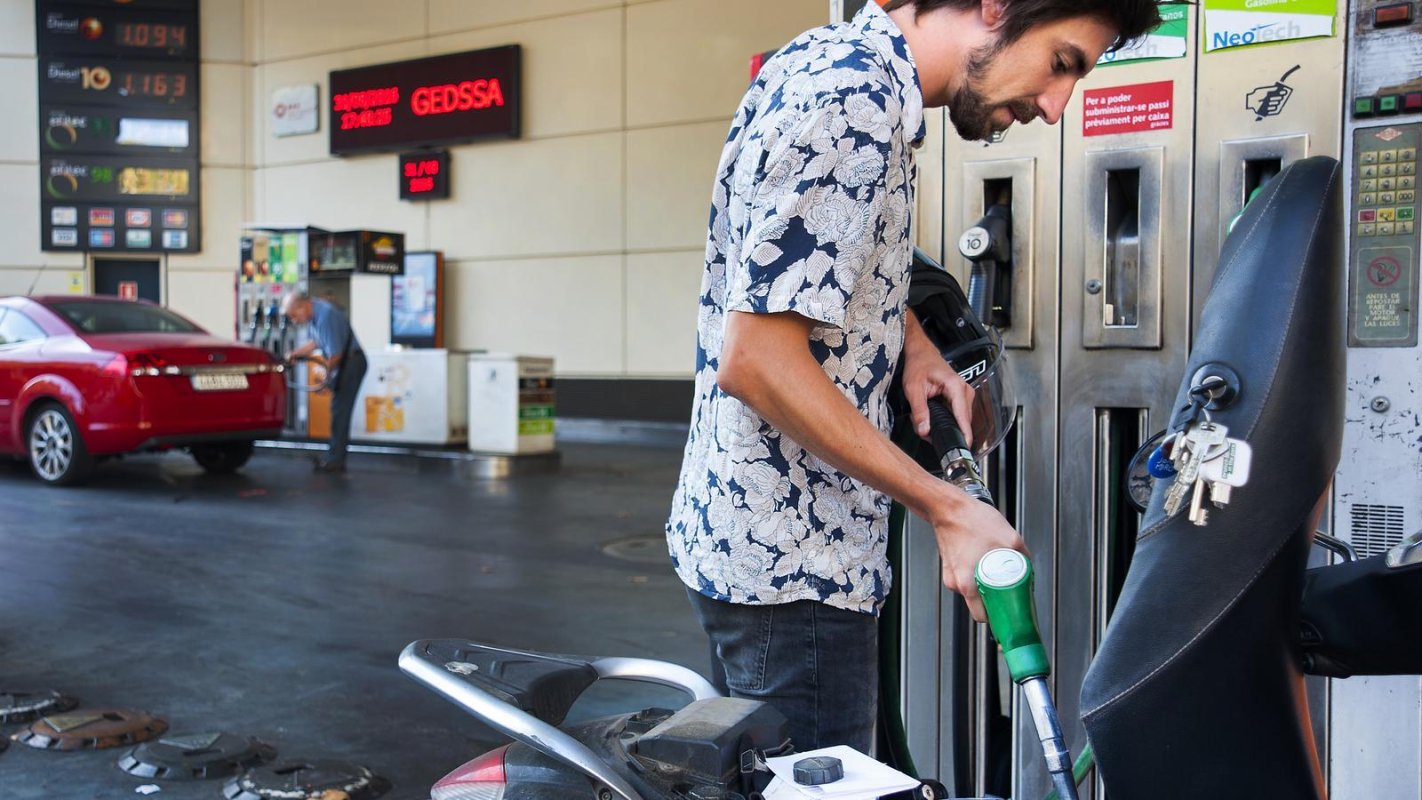
Average Price of 95 Octane Rises to 1.912 Euros
According to daily official monitoring data from the Spanish Ministry for the Ecological Transition, retail fuel prices in Alicante province have seen a significant short-term surge. Currently, the average price of 95 octane gasoline in the province has reached 1.912 euros per liter. This figure represents a 9.5% increase compared to last month and a staggering 27% jump year-on-year. Among the 474 gas stations spread across the province, the listed price for 95 octane at 160 stations has officially broken the 2-euro mark, accounting for one-third of the total, and this trend continues to spread province-wide.
Commuting Costs Soar Year-on-Year
The soaring gas prices are directly reflected in the daily expenses of car owners. Taking an ordinary family sedan equipped with a 55-liter fuel tank as an example, the total cost to fill up with 95 octane gasoline now exceeds 105 euros, a full 22 euros more than a year ago. Meanwhile, the operating costs for diesel vehicles remain equally high. The average price of diesel in Alicante province has risen to 1.86 euros per liter, a year-on-year increase of 32.7%. Nearly half of the gas stations in the province are selling diesel for over 1.9 euros, closing in on the psychological barrier of 2 euros.
High Inflation and Expiring Subsidies Spark Concerns
The spike in fuel prices is closely tied to the national macroeconomic environment. According to the latest data released by the Spanish National Statistics Institute (INE), the Consumer Price Index (CPI) for August this year has risen to 4.3%, significantly deviating from the official target of 2%. What worries the market even more is that the current fuel subsidy policy is set to officially end on September 30. If the government fails to introduce new renewal or alternative support measures before the expiration, retail fuel prices will inevitably lose their buffer, leaving future price trends full of uncertainty.
