Parliament Debate Ignites Controversy Over Ceuta’s Identity
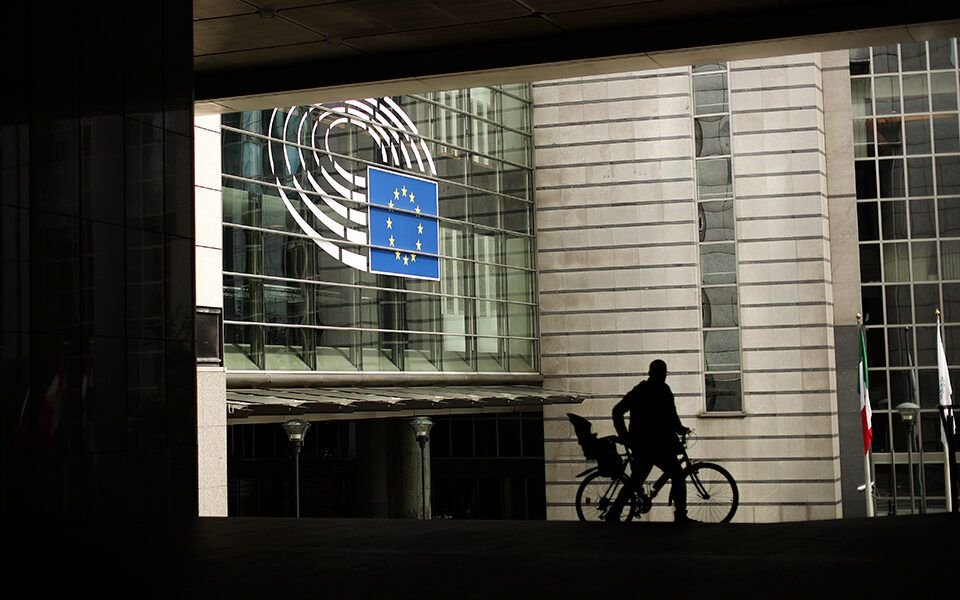
On September 15 local time, the European Parliament held a thematic debate on the immigration pressure facing Ceuta, a Spanish enclave on the North African coast. During the session, Italian MEP and member of The Left, Ilaria Salis, made controversial remarks. In her speech, Salis declared: “Ceuta is not Spain; Ceuta is not Europe.”
She further explained that although Ceuta is currently under Spanish jurisdiction, from a geographical perspective, this land clearly belongs to the African continent; and from a historical dimension, the existence of this region is a “remnant of European colonialism.” Salis urged that when evaluating the increasingly severe local immigration situation, Ceuta’s unique geographical and historical context must be fully considered. Meanwhile, she harshly criticized certain right-wing political forces in Europe for using the immigration crisis as a political marketing tool.
Multi-National MEPs’ Doubts Clash With Legal Sovereignty
In the same debate, Swedish MEP Abir Al-Sahlani also expressed doubts about Ceuta’s “European identity” and its geographical positioning. The statements of multiple MEPs have turned the status of this Spanish enclave into a focal point of public opinion within the European Parliament.
However, from the perspective of the current legal and institutional framework, there is absolutely no uncertainty about the sovereignty of Ceuta. According to Spanish law, Article 1 of the Statute of Autonomy of Ceuta explicitly states that the autonomous city is “an integral part of the Spanish Nation.” Furthermore, in historical archives, when Spain officially signed the treaty to join the European Community (the predecessor to the EU), the relevant accession documents also clearly defined the sovereignty of Ceuta and Melilla.
Immigration Crisis Highlights Management Dilemmas of “Special Enclaves”
Despite the clear sovereignty, Ceuta does play a rather unique role within the EU system. As an external border of the EU, although constrained by Spanish and EU legal frameworks, Ceuta enjoys special institutional arrangements in specific areas such as tax policies and customs management. This means that some EU standards applied in the region differ significantly from those on the Spanish Iberian Peninsula mainland.
Recently, Ceuta has frequently experienced massive influxes of illegal immigrants, pushing local reception capacities to their limits, which was the direct catalyst for this European Parliament debate. The political maneuvering and disagreements among various European political factions continue to simmer over how to effectively manage immigration, maintain the security of the EU’s external borders, and position the special functions of Ceuta and Melilla within the complex EU system.
