Balcony Orchards Become a New Trend in Spain: Miniature Lemon Trees Enable Year-Round Harvests in Urban Spaces
In recent years, with the growing demand for greening private urban spaces, urban agriculture in Spain is shifting from a short-lived consumer fad to a long-term, stable structural trend. Amidst this wave of naturalizing private living spaces, a compact miniature lemon tree has stood out. Thanks to its unique botanical advantages and economic benefits, it is rapidly becoming a new planting favorite on the balconies of many Spanish households.
Spatial Adaptability and Building Safety
For modern urban residents, limited living space is often the primary obstacle to developing home gardens. However, the biological characteristics of the miniature lemon tree show significant advantages in such micro-environments. According to botanical data, the mature height of these improved fruit trees is typically maintained between 1 and 3 meters, and their branching structure is extremely compact, significantly saving balcony space.
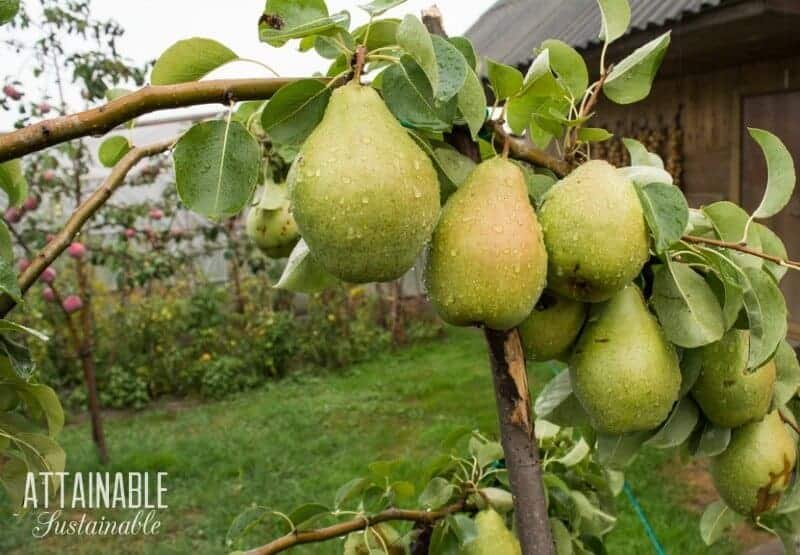
An even more crucial point lies in its root development characteristics. Compared to traditional large fruit trees, the root system of the miniature lemon tree is not highly aggressive and can maintain gentle growth in pots or narrow containers for extended periods. This feature means its roots will not expand robustly outward to crack building infrastructure or damage premium floor tiles, fundamentally eliminating urban homeowners’ potential concerns about structural damage to their properties.
Peninsula Climate Facilitates Twelve Months of Continuous Fruiting
Beyond its high ornamental value and lush evergreen foliage, the practical yield of the miniature lemon tree is a core element attracting Spanish audiences. Relying on the unique climate conditions of the Iberian Peninsula, this fruit tree unlocks exceptional growth potential in mild environments, successfully achieving an uninterrupted fruiting period of up to twelve months.
Its high-yield nature is largely due to the plant’s inherently staggered blooming cycles. Under natural rhythms, flowers that bloom in spring can develop into juicy lemons during the subsequent hot summer; meanwhile, the plant’s continuous blooming in summer and autumn perfectly fills the yield gap upon entering winter. This highly coherent growth rhythm allows residents in the concrete jungle to enjoy freshly picked citrus year-round.
Scientifically Balanced Sunlight, Irrigation, and Pest Management
Although this variety has highly adapted to the urban living environment, ecological planting still requires adherence to scientific care principles to ensure its vigorous vitality and yield standards. On a physical environment level, miniature lemon trees have strict sunlight requirements, needing to maintain 6 to 8 hours of direct sunlight daily. Faced with Spain’s dry and hot summer climate, the frequency of water supplementation for the soil moisture where the plant resides must also be significantly increased.
Regular intervention is equally indispensable for chemical nutrients and health monitoring systems. Professionals recommend standardizing the use of scientifically formulated specific fertilizers to replenish the nutrient loss caused by frequent fruiting with adequate essential elements like nitrogen, potassium, and iron. Additionally, home growers need to establish a preventive monitoring mechanism to closely guard against the outbreak of common citrus pests such as aphids and scale insects, thereby effectively ensuring the continuous and healthy growth of miniature lemon trees in urban micro-ecosystems.
