Heavy Rainfall and Large Hail Leave Valencia and Catalonia Severely Damaged
Since the evening of September 16, extreme severe convective weather has swept across the eastern coast of Spain, with regions such as Valencia, Catalonia, Murcia, and Almeria being the hardest hit. In Catalonia, Girona was struck by violent storms and hail. According to local meteorological records, the Girones district, where Girona is located, recorded over 40 millimeters of rainfall in just 30 minutes, with some areas experiencing hailstones nearly the size of a two-euro coin. The short-term extreme precipitation turned the famous steps of the Girona Cathedral into a cascading waterfall. Within three hours that afternoon, local fire departments received approximately 30 emergency calls regarding flooded homes and waterlogged streets.
The storm caused particularly fierce destruction in the Valencia region. Multiple municipalities, including Real and Paterna, faced torrential downpours. The Torrent area not only recorded an extreme rainfall of 71 millimeters in half an hour, but the cumulative rainfall in several surrounding towns crossed the 100-millimeter mark. Accompanied by powerful wind gusts of up to 100 kilometers per hour, various emergency response agencies in Valencia rapidly managed 478 water-related emergencies and property flooding incidents within 9 hours.
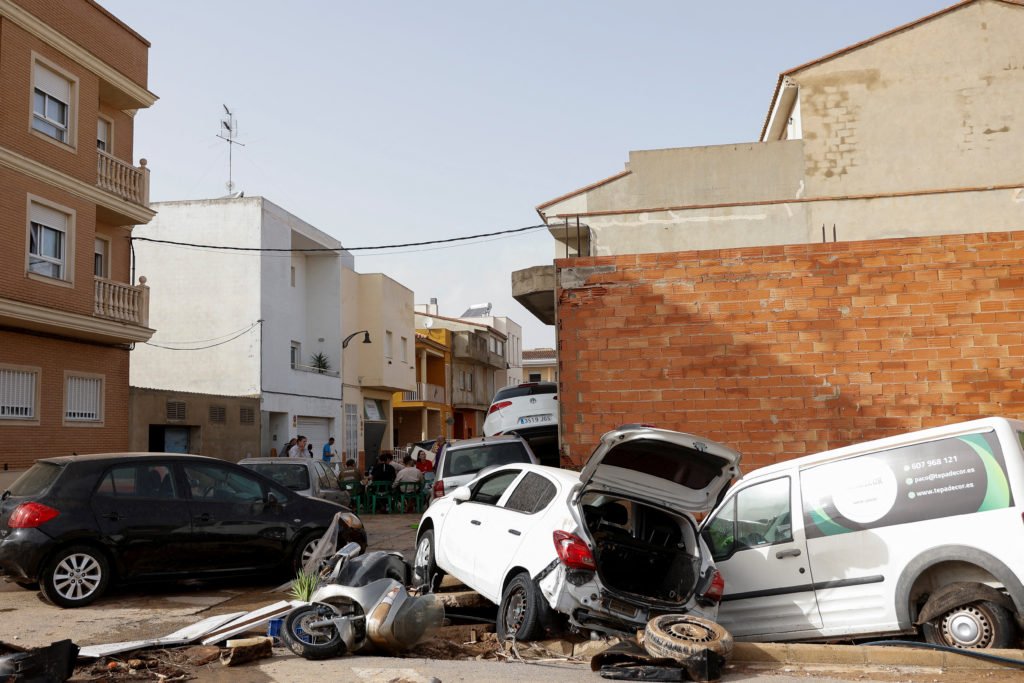
Massive Disruptions to Land, Sea, and Air Transport; One Man Dead in Barcelona Province
Torrential rains and fierce winds paralyzed the transportation network in the affected areas. Due to a flooded tarmac and severe lightning, Valencia Airport was forced to temporarily close, and sections of Metrovalencia suspended operations. Given the harsh outdoor conditions, the La Liga match between Levante UD and Athletic Bilbao was officially canceled.
In Catalonia, several main roads in the suburbs of Barcelona were submerged. The Catalan commuter rail system (Rodalies) faced severe disruptions, and Barcelona El Prat Airport saw a large number of flight cancellations and delays. Tragically, in Olivella, Barcelona province, a man was swept away inside his vehicle by a sudden surge of floodwaters while driving through a flooded road section. Local rescue teams later recovered his body approximately 500 meters downstream from where the vehicle lost control.
Coastal Cities Execute Emergency School Closures; Madrid Prepares for Imminent Floods
To ensure the safety of students and teachers, educational systems in multiple regions triggered emergency protocols. About 15 municipalities in the Murcia region, including Lorca and Cartagena, as well as Pulpi and surrounding areas in Almeria province, announced the suspension of all in-person classes and group activities.
Spain’s State Meteorological Agency (AEMET) issued emergency warnings, indicating that this Mediterranean heavy rain system is far from over. Forecasts suggest that on September 17, short-term intense rainfall could return to parts of Valencia, with projected cumulative precipitation exceeding 120 millimeters. Officials strongly urge residents and foreign tourists not to drive blindly into flooded waters and to stay absolutely away from natural riverbeds, streams, and low-lying, flood-prone urban areas during this period.
Meanwhile, considering that autumn is historically a peak season for severe convective weather on the Iberian Peninsula, the inland Madrid regional government has taken proactive measures. Authorities have issued formal flood prevention guidelines to all 179 municipalities in the region, ordering comprehensive inspections and clearing of municipal drainage networks, as well as strictly marking high-risk urban and rural flood zones. The Madrid local planning department also recommended that all residents check their residential downspouts and prepare emergency survival kits. In the event of a red weather alert, officials will directly dispatch mobile emergency notifications to the public via the national ES-Alert system.
