Latest PISA Data Reveals a Crisis of Reading Decline
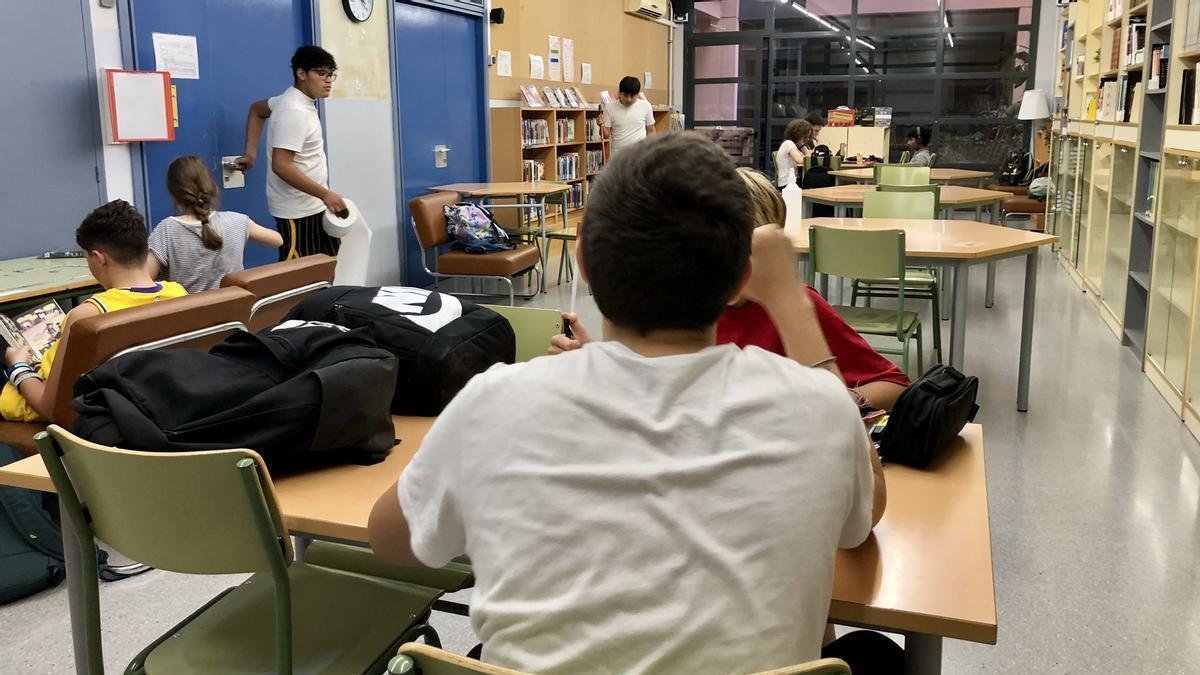
According to the latest Programme for International Student Assessment (PISA) report, the reading comprehension skills of underage students in Spain are showing an alarming downward trend. Survey data and frontline observations confirm that with the popularization of smart touch devices and short video products, the instantaneous audio-visual stimulation generated by electronics is rapidly destroying foundational reading habits. This issue is particularly prominent among students aged 9 to 12 who are about to enter adolescence. Many teenagers who were able to maintain paper reading habits in early primary school experience a rapid reading disconnect after exposure to high-frequency digital media. Similar phenomena show a high degree of commonality across all types of households, including the Chinese immigrant community in Spain.
Focusing on Content-Driven Systemic Intervention Strategies
Academic and educational circles have gradually reached a consensus that traditional one-way preaching or forced physical separation (such as directly confiscating communication devices) is difficult to fundamentally solve the problem of screen addiction among teenagers. To this end, mainstream Spanish media, together with local frontline educators and youth literature research experts, have jointly developed a reading intervention initiative. After evaluation and screening, the expert panel officially released a well-regarded reading list to the public, bringing together 20 high-quality Spanish literary works. The core logic of the project is to abandon forced withdrawal and instead use high-quality, highly attractive literary narratives to draw minors’ attention back from the virtual space to the world of text.
A Scientific Graded Reading System Based on Audience Cognition
To ensure that the book content highly aligns with students’ mental development, the recommended reading list is strictly divided into two age intervention tiers. For the lower to middle age group of 9 to 12 years old, the list heavily introduces humorous adventure themes, using works like Roald Dahl’s classic children’s literature “Matilda” as a starting point. It aims to eliminate the resistance of beginner readers and alleviate screen dependence. When targeting the senior tier of 12 to 16 years old, the recommended books shift entirely towards in-depth texts with profound realism, such as introducing dystopian literary masterpieces like “The Hunger Games.” This guides middle school students to establish critical thinking about the dark side of technology and social rules through gripping plots. Industry professionals suggest the public utilize public library resources to gradually implement this reading list into weekend family intervention plans.
