First Pilot Sections and System Operation Mechanism
Spain’s Directorate-General for Traffic (DGT) announced the official launch of the “dynamic speed limit” system trial starting October 1. The first pilot sections are located on the AP-7 and AP-2 highways in the Catalonia region. This system aims to break away from traditional fixed speed limits by comprehensively analyzing real-time data such as traffic density, accidents, visibility, and extreme weather. It automatically assesses road safety risks and issues the latest maximum speed limit directives to drivers via electronic variable message signs above the road.
Real-Time Traffic Conditions Determine Speed Limit Reductions
According to the system settings, speed limit adjustments on different sections will respond to specific risk factors. On the AP-7 highway, when the system detects traffic congestion or other potential hazards, the original 120 km/h speed limit may be dynamically reduced to 100 km/h, 80 km/h, or even 60 km/h in extreme cases.
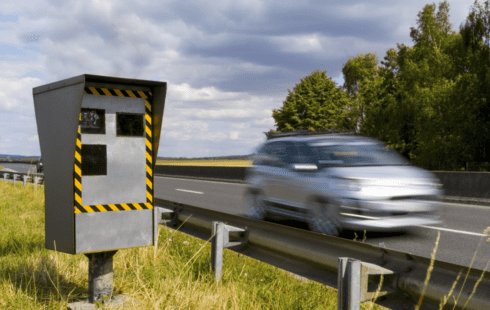
On the other hand, the trial on the AP-2 highway primarily focuses on the impact of poor visibility caused by severe weather such as heavy fog. Particularly in the section from Castelldans to Les Borges Blanques, the system will gradually lower the speed limit based on fog density. In the most severe conditions, the maximum speed limit in this section could drop to as low as 40 km/h.
Legal Speed Limits Unchanged but Temporary Directives Take Priority
The DGT clearly stated that the standard maximum speed limit of 120 km/h for national highways has not been abolished. However, in sections piloting dynamic speed limits, temporary speed limits displayed on electronic message signs will take priority once special traffic conditions arise. This means that drivers cannot solely rely on fixed prompts from navigation systems while driving; they must constantly observe the electronic speed limit signs on the road.
Currently, this dynamic speed limit measure is only undergoing preliminary testing in the Catalonia region. In the future, the DGT will comprehensively evaluate traffic conditions and accident rates during the trial period to determine whether to expand this dynamic speed limit system to other major highways nationwide based on its effectiveness.
